The nostalgia of war
The nostalgia of war is something rarely spoken about , perhaps because it sounds wrong, perhaps because it feels almost like a fault. After all, who could miss a place where people die, where hospitals are overwhelmed with the wounded, where sleep is broken by explosions and the future is a fragile concept measured in hours rather than years? I discover that nostalgia can take forms that escape the simplest definitions.
It is not nostalgia for war. It could not be. There is nothing romantic about suffering. There is nothing poetic about a wounded child, about a mother searching for her children in the rubble, about a hospital with not enough blood, medicine or electricity to treat everyone. Anyone who has seen these things up close very quickly stops seeing them as symbols and begins to see them for what they are: tragedies. War is dirty, cruel, often absurd. It consumes lives, destroys homes, cuts short stories that deserved to continue.
And yet, when you come home, something is missing.
What is missing is not the context of war, but the human intensity that war, in spite of itself, reveals.
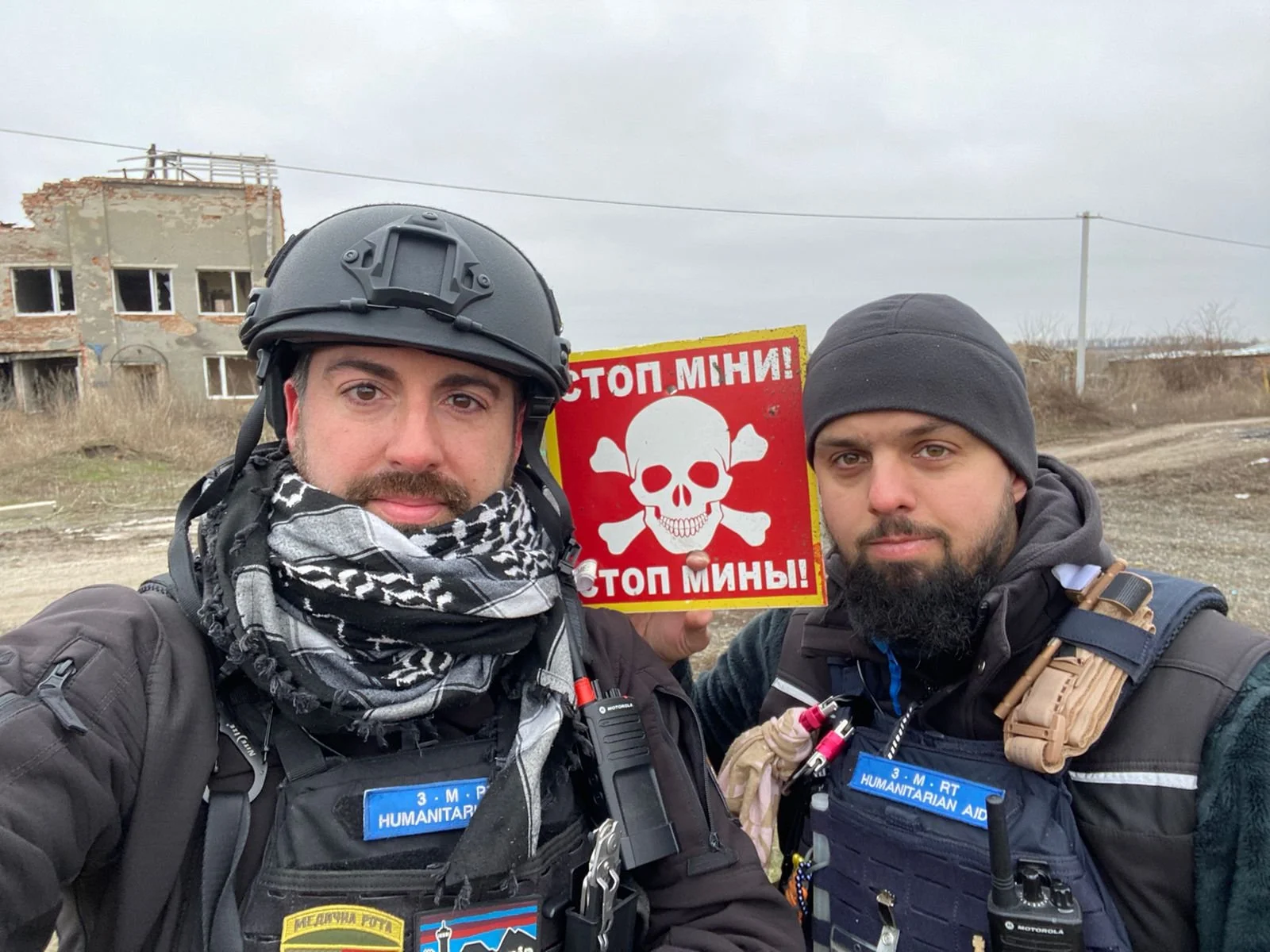
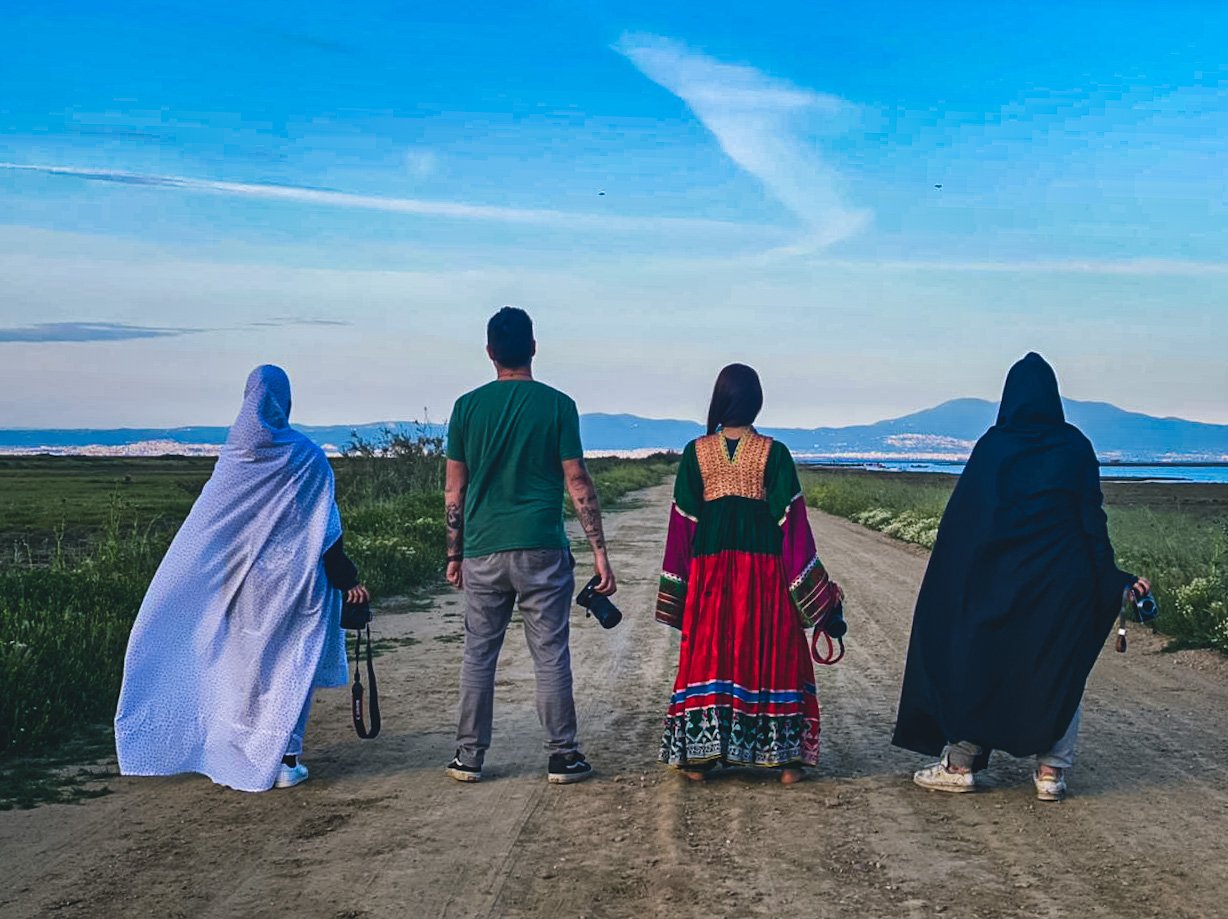
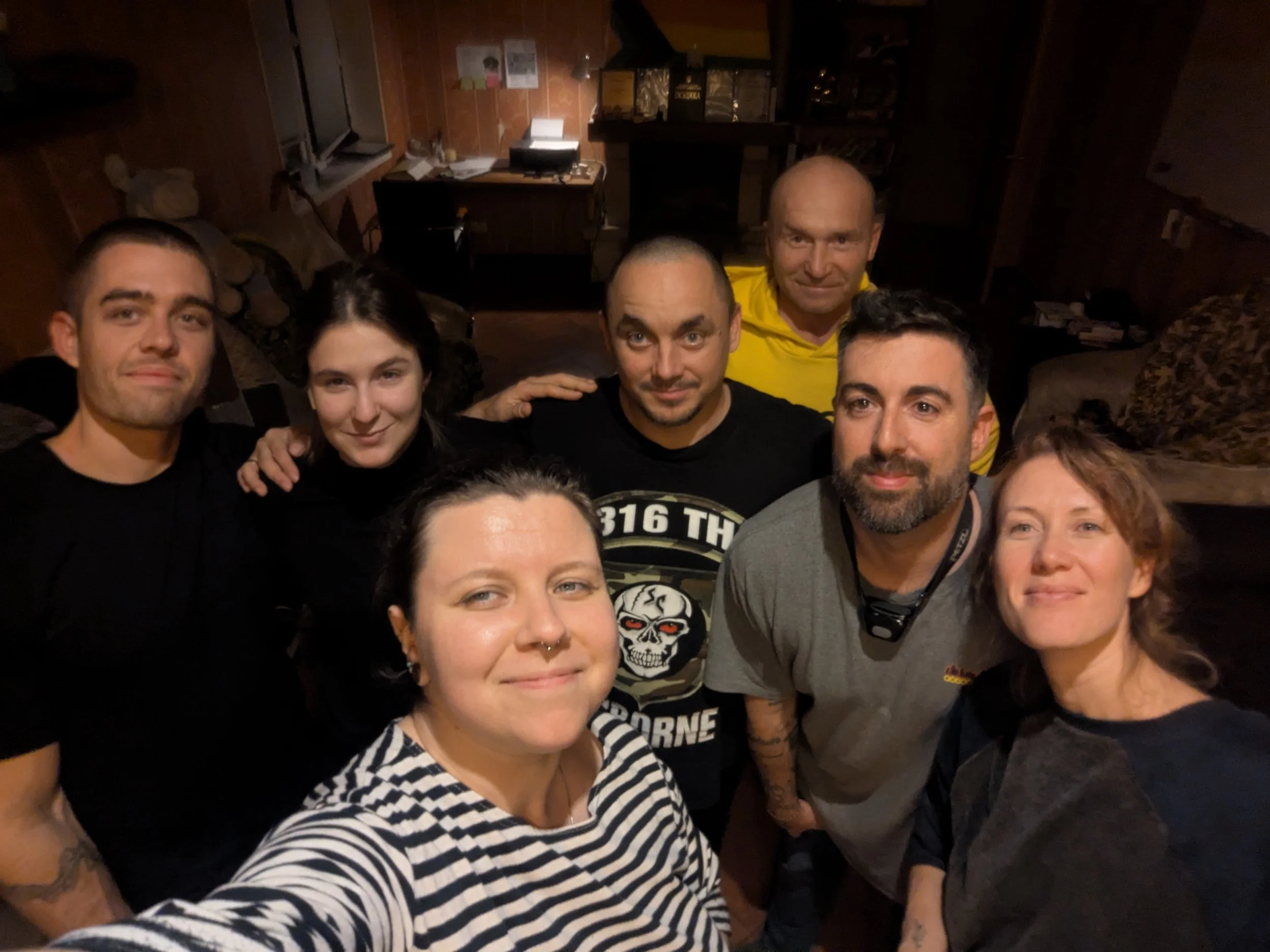
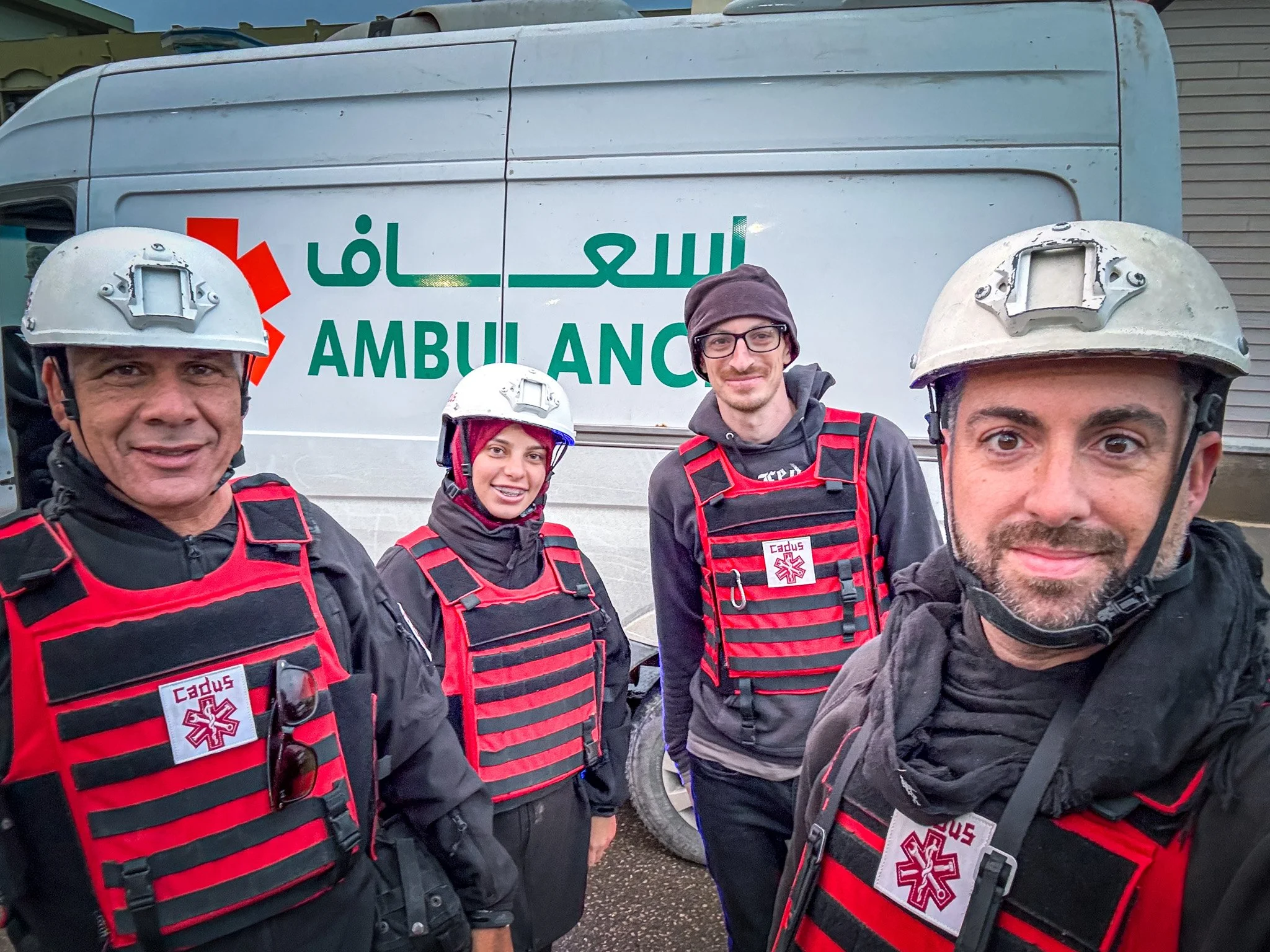
For a long time I tried to understand what it was. I thought it was the adrenaline, but it was not that. Adrenaline is poor company: it arrives quickly and leaves even faster. I thought it was the sense of adventure, but that was not enough to explain the emptiness either. Over time I came to understand that what is missing is not the context of war, but the human intensity that war, in spite of itself, reveals.
In places where everything can collapse from one moment to the next, people stop hiding behind many of the masks we wear in daily life. Conversations become more honest. Friendships form faster. The smallest gestures acquire enormous value. A cup of tea shared at the end of an impossible day becomes a memory that lasts for years. A laugh in an overcrowded hospital can feel like an act of rebellion. A meal eaten on a crate of humanitarian aid, while explosions sound outside, can become one of the most human moments you will ever experience.
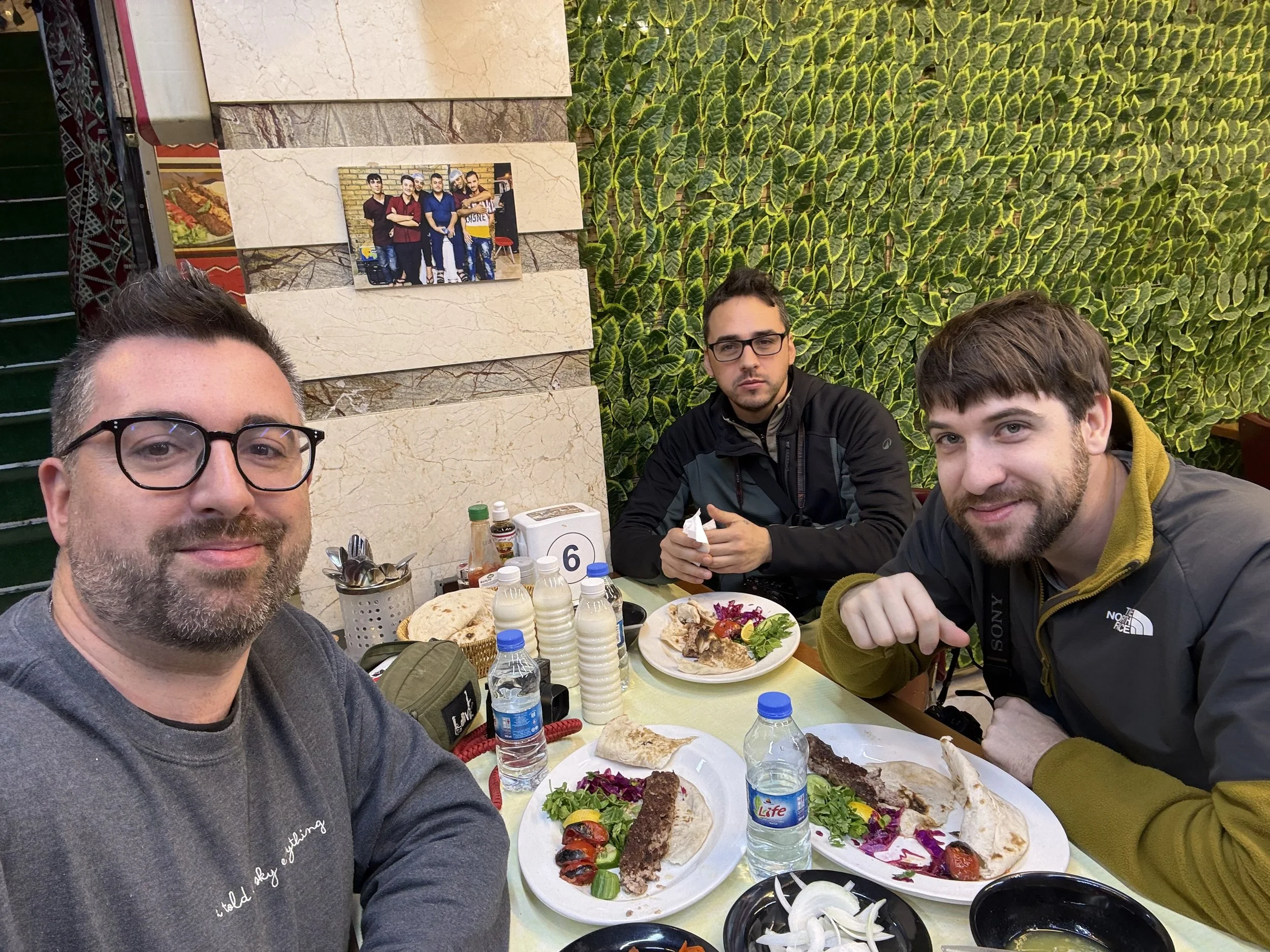
War destroys a great many things, but it also eliminates a surprising amount of noise. Pointless ambitions, petty rivalries, the worries that normally fill our days — they all suddenly lose their importance. You find yourself face to face with what is essential. Who is doing well. Who needs help. Who is unaccounted for. Where to find water. How to get a patient alive to the next hospital. How to wrest one more day from despair.
When I return to Europe, I am often struck by how different the rhythm of our lives is. We spend weeks worrying about things that, in other contexts, would not occupy even a minute of our thoughts. And I do not say this as a criticism. It is simply the privilege of normality. It is a fortune to be able to argue about ordinary problems. It is a fortune to take electricity, running water, and the knowledge that a hospital will still be there tomorrow morning for granted.
And yet a part of me stays behind.
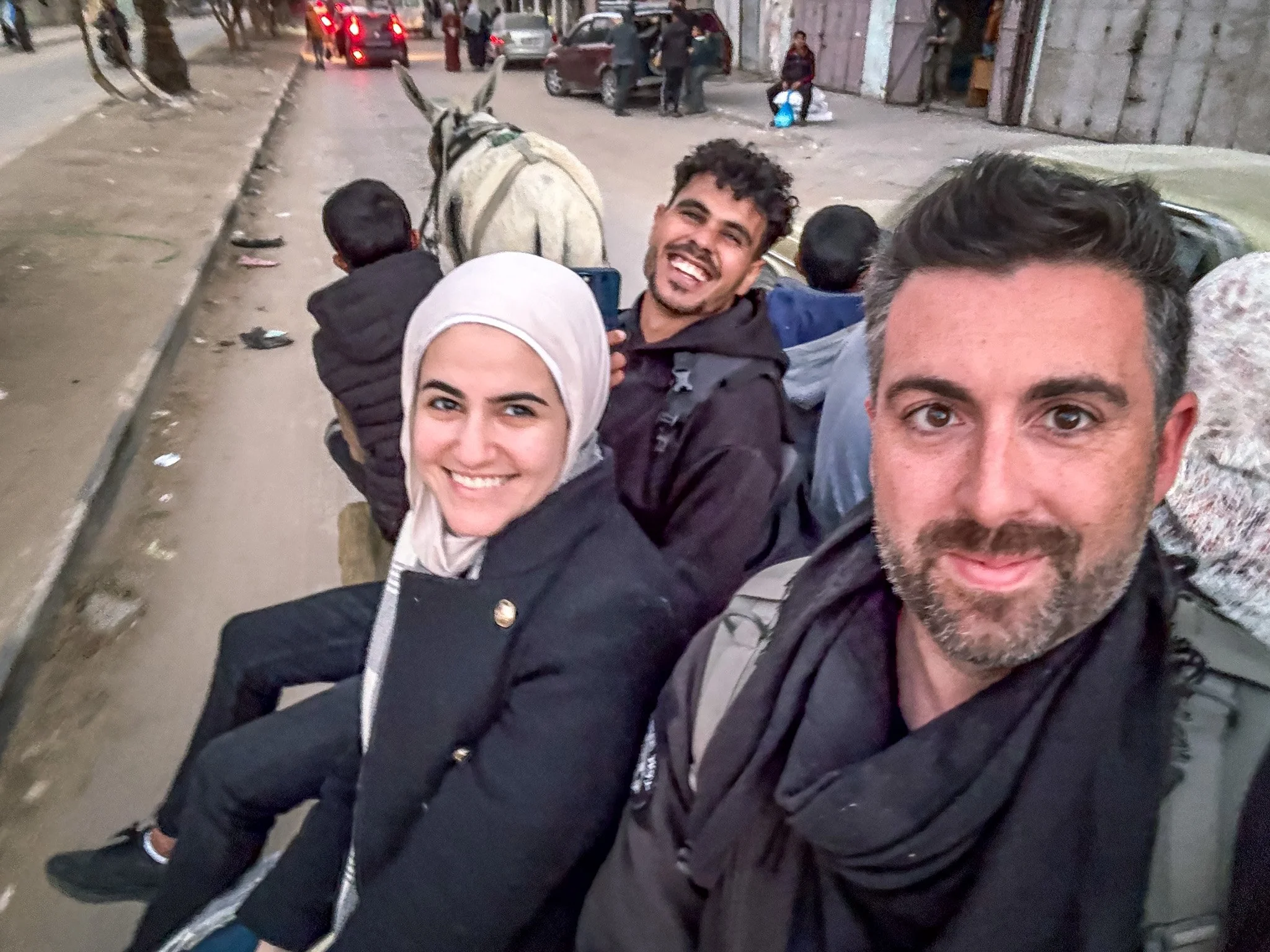
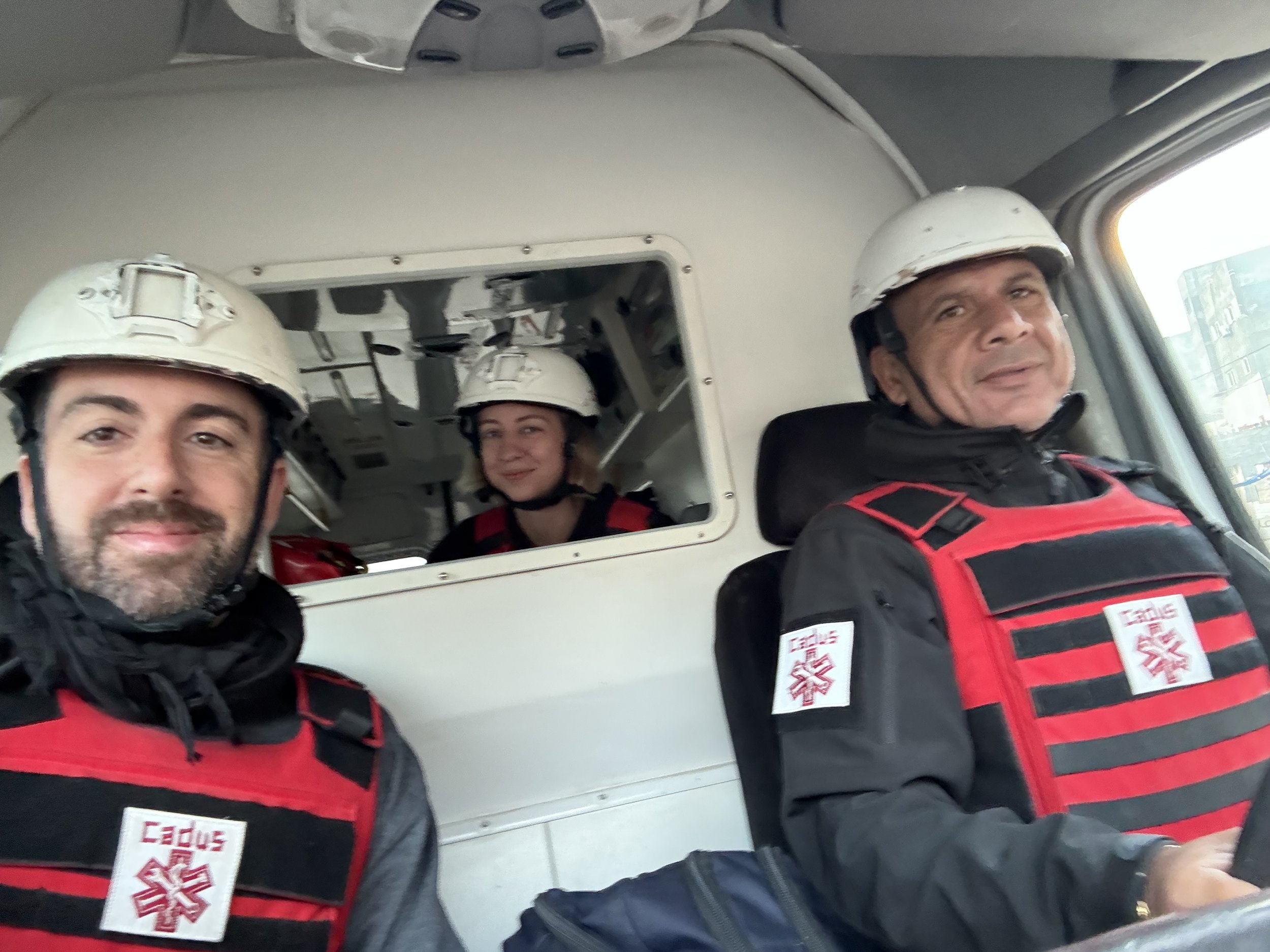
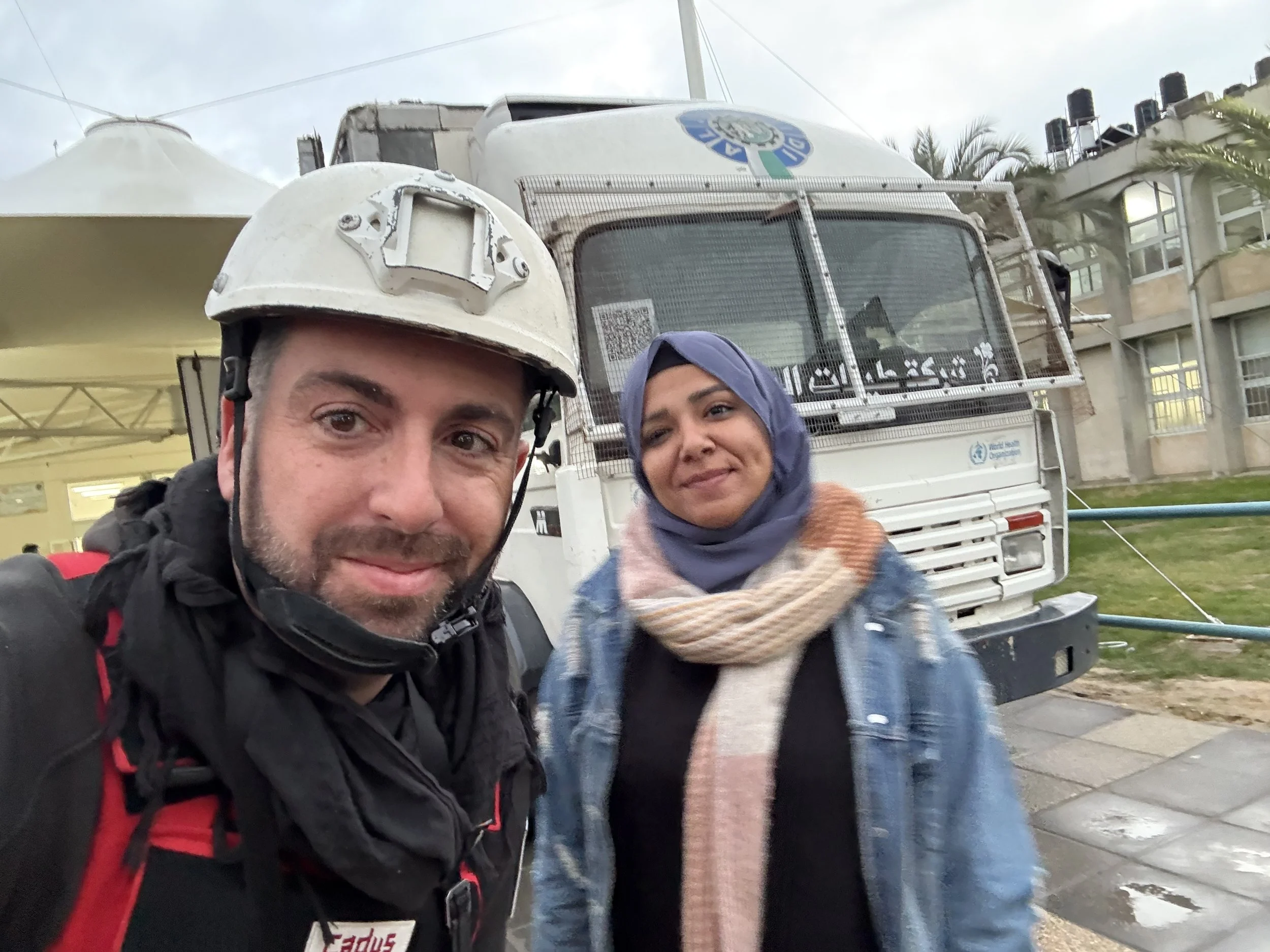
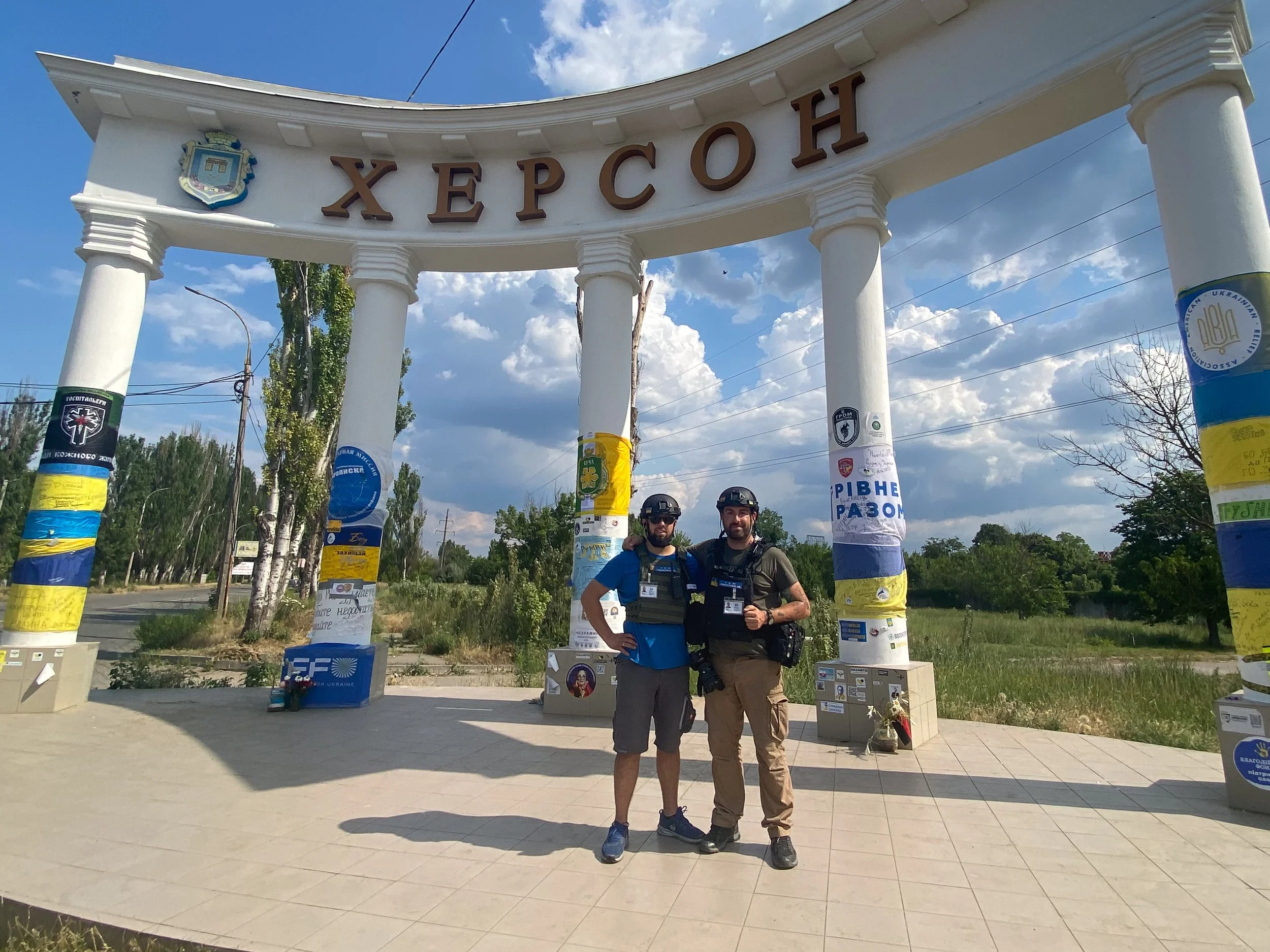
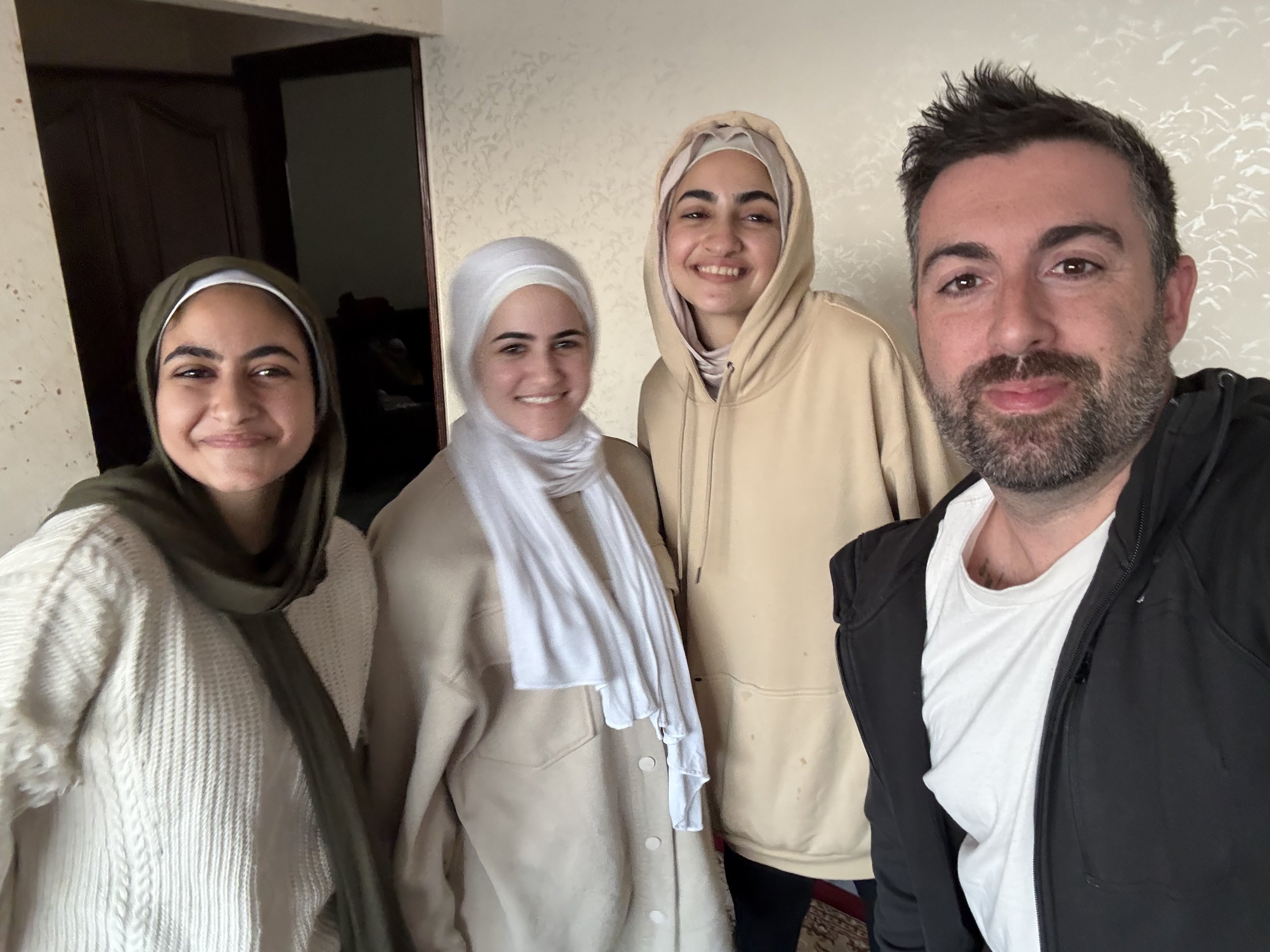
It stays in a hospital ward in Gaza, beside a doctor who never left his post even after losing his home. It stays on a road in the Donbas, inside a dust-filled vehicle, while someone tells a terrible joke to lighten the tension. It stays in Syria, in Iraq, in those places where I met people who had lost almost everything and still found a way to offer a coffee, a smile, or a kind word.
What I carry with me from wars is not so much the images of destruction as the images of humanity.
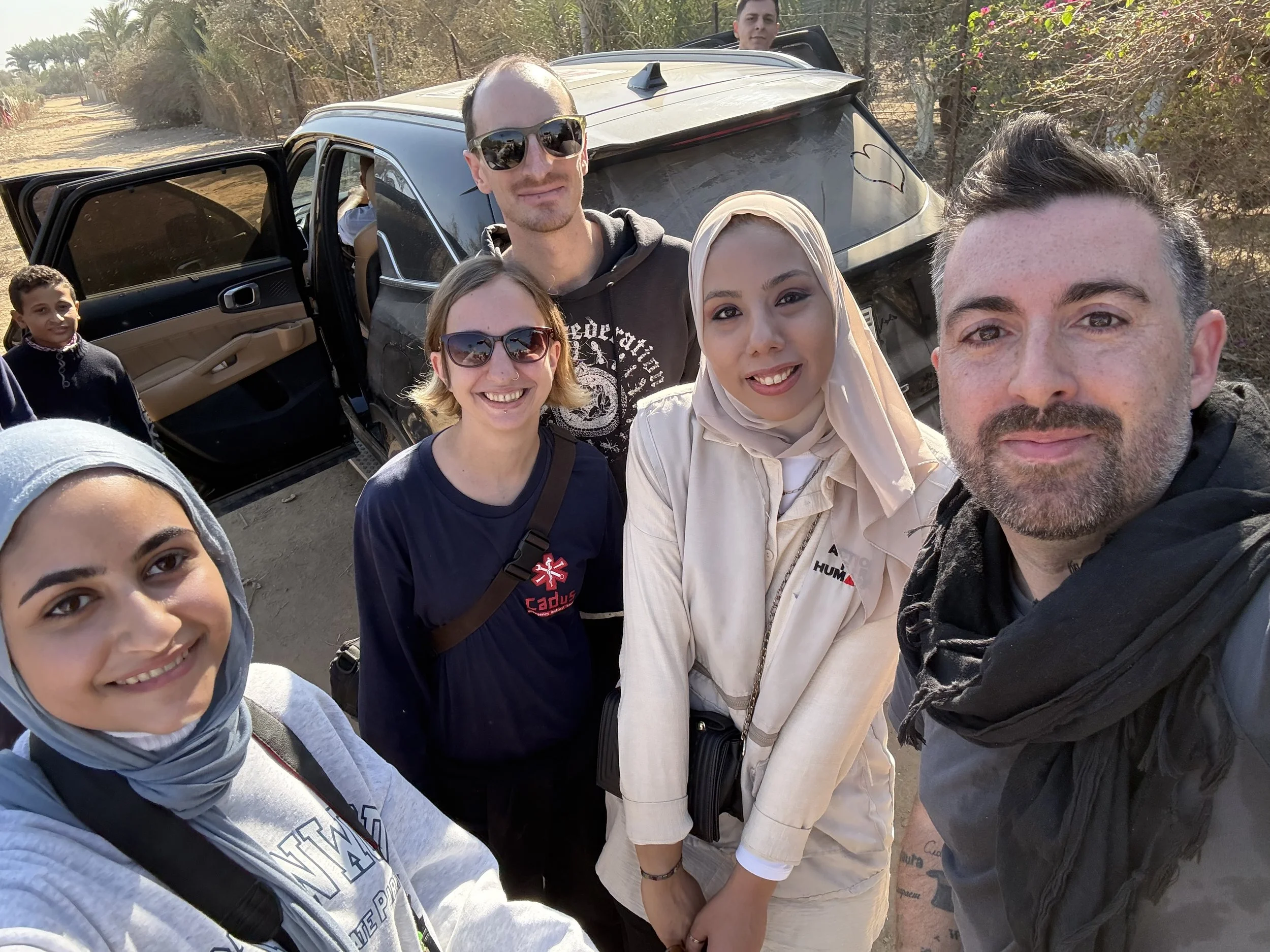
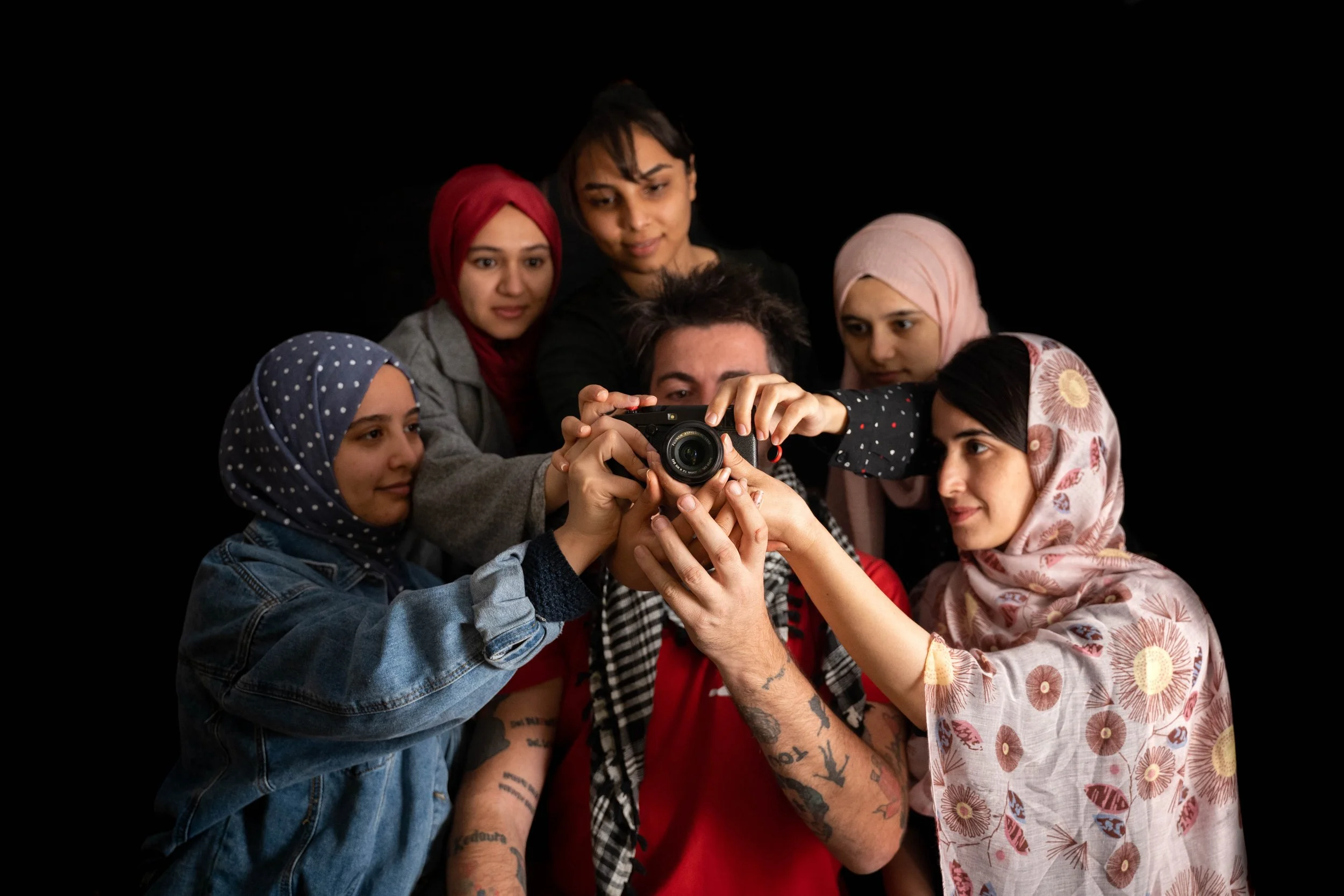
Over the years I have come to realise that what I carry with me from wars is not so much the images of destruction as the images of humanity. Of course I remember the collapsed buildings, the ambulances, the hospitals, the convoys, the evacuations. But what resurfaces most often are the faces. I remember the names of those who helped me when they had no obligation to. I remember the people who shared a piece of their lives with me at a moment when they had every reason to close themselves off from the world. I remember the colleagues who became family within a matter of weeks — because when you live close enough to danger, you lose the luxury of superficiality.
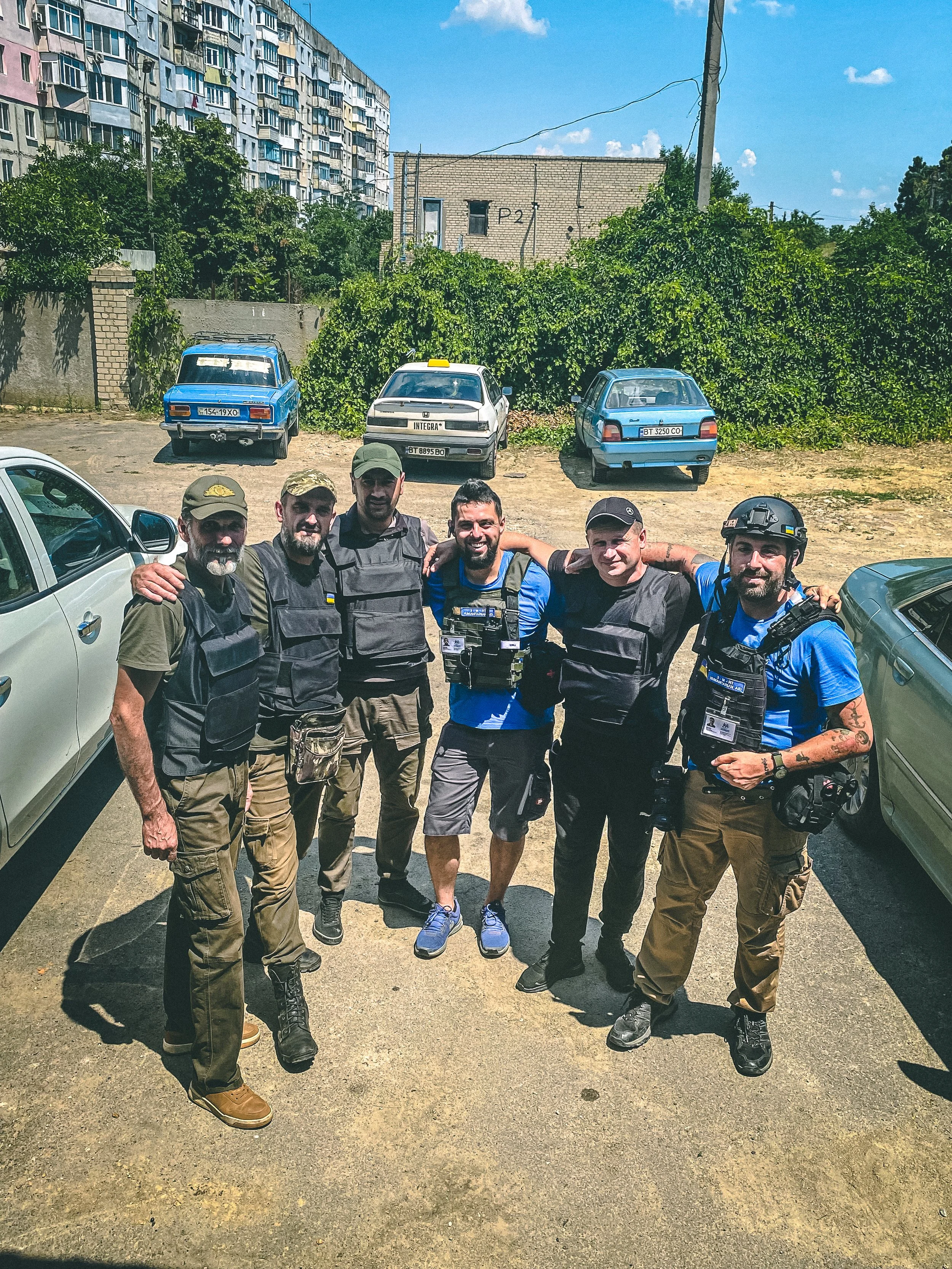
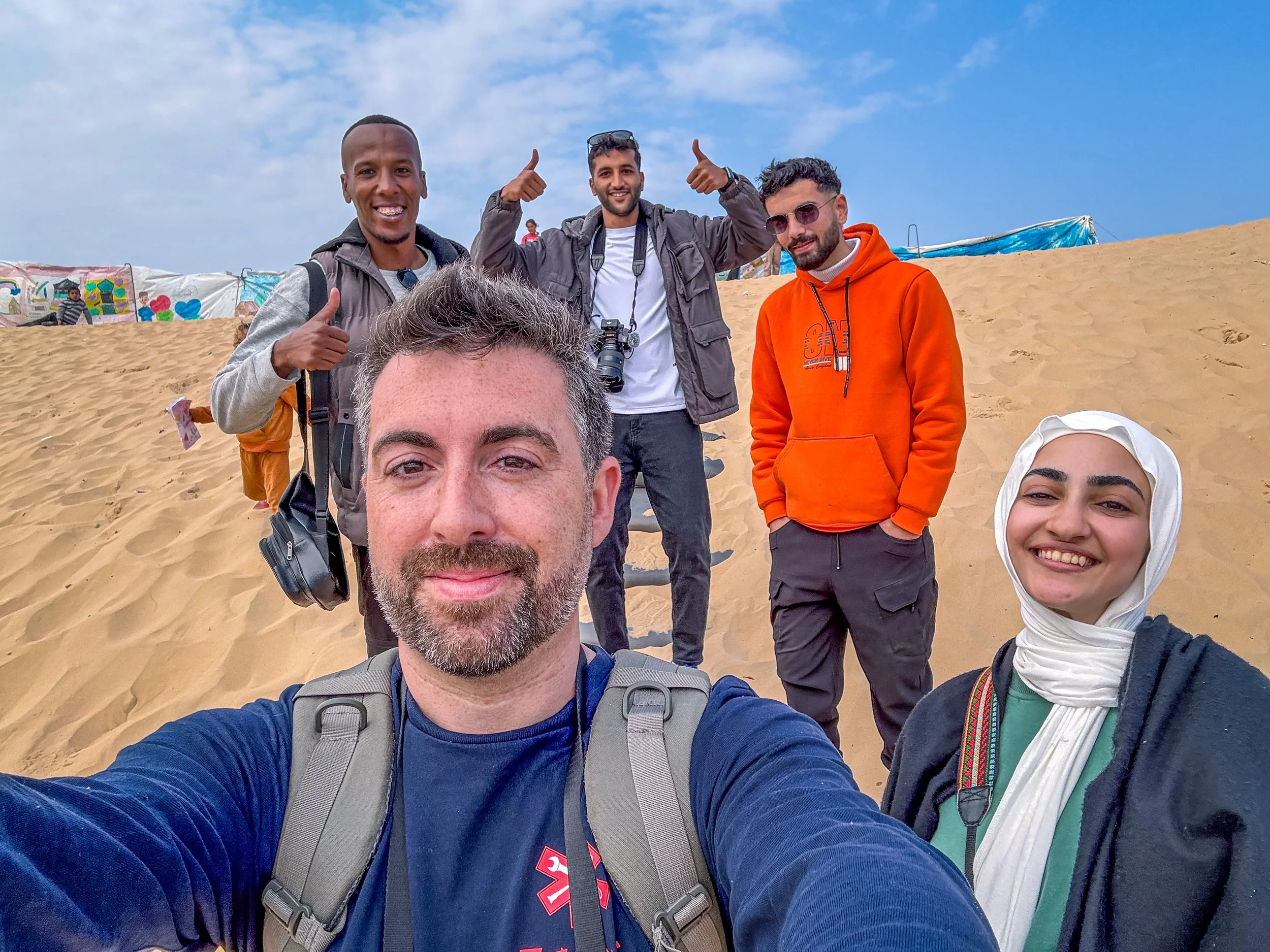
Perhaps that is where the nostalgia comes from. From knowing that in those places, however terrible, human connections were formed that are extraordinarily rare. From knowing that some people who passed through your life for a few months left a deeper mark than others you have known for years. From knowing that many of those faces you will never see again, and that some of them may no longer be here at all.
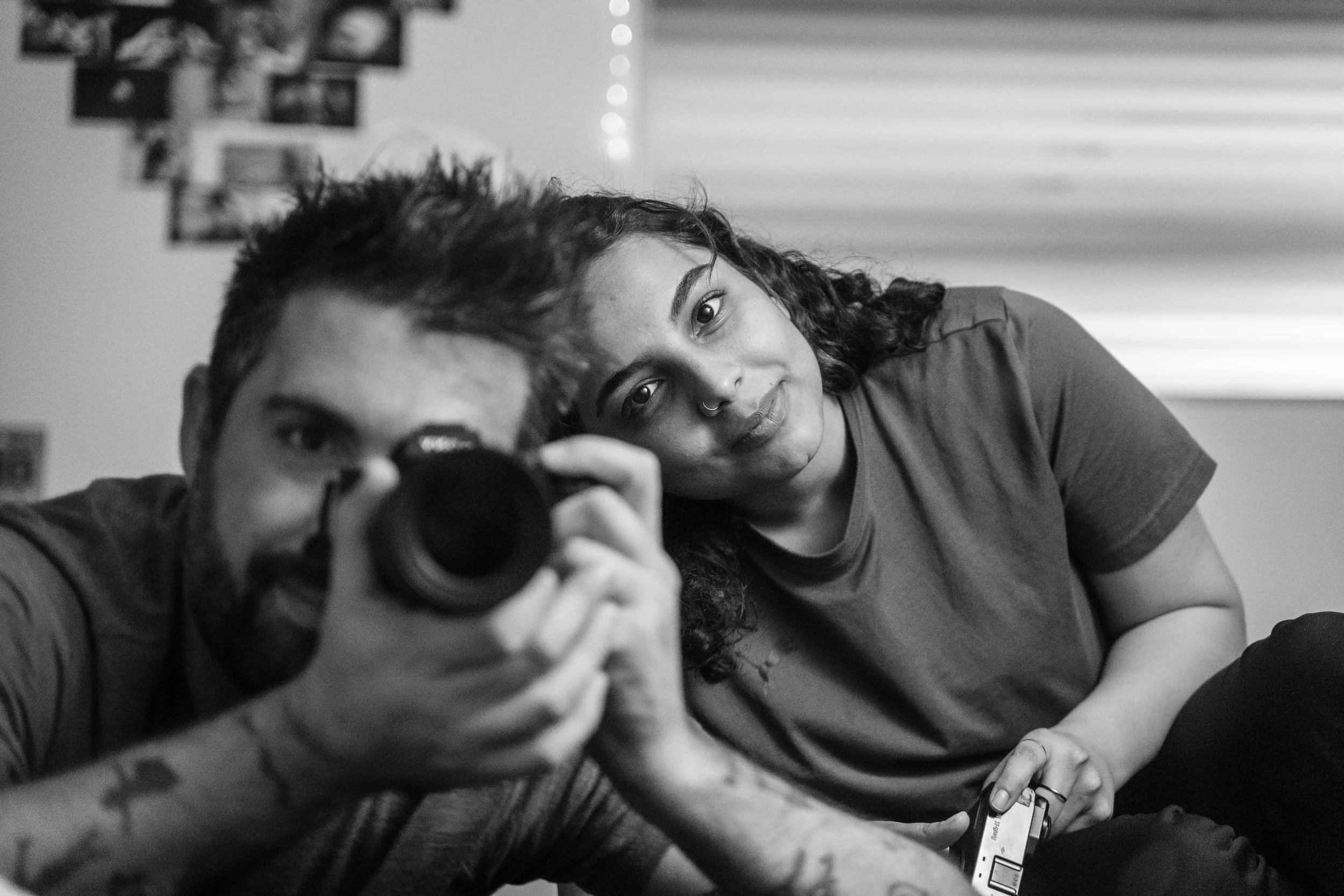
Over time I have learned not to fight this feeling. I welcome it for what it is: a reminder that my life has been woven together with thousands of others. People who taught me courage without ever making speeches about it. People who showed me what it means to keep loving, caring, teaching, building and hoping even when the world seems to have decided otherwise.
When I think about the wars I have lived through, I do not feel nostalgia for the explosions. I do not feel nostalgia for the fear. I do not feel nostalgia for the nights when we did not know what the next day would bring. I feel nostalgia for the people. For their dignity. For their strength. For the extraordinary human capacity to find a reason to keep going even in the most inhuman circumstances.
And perhaps that is the greatest lesson those places have left me. Not that the world is full of horror — we already knew that. The lesson is that the world, in spite of everything, continues to be full of people who choose to help, to protect, to care and to love. They are the ones I miss. They are the ones I carry with me. And they are the ones who, even today, when nostalgia comes knocking, come and sit beside me and remind me why I keep leaving.