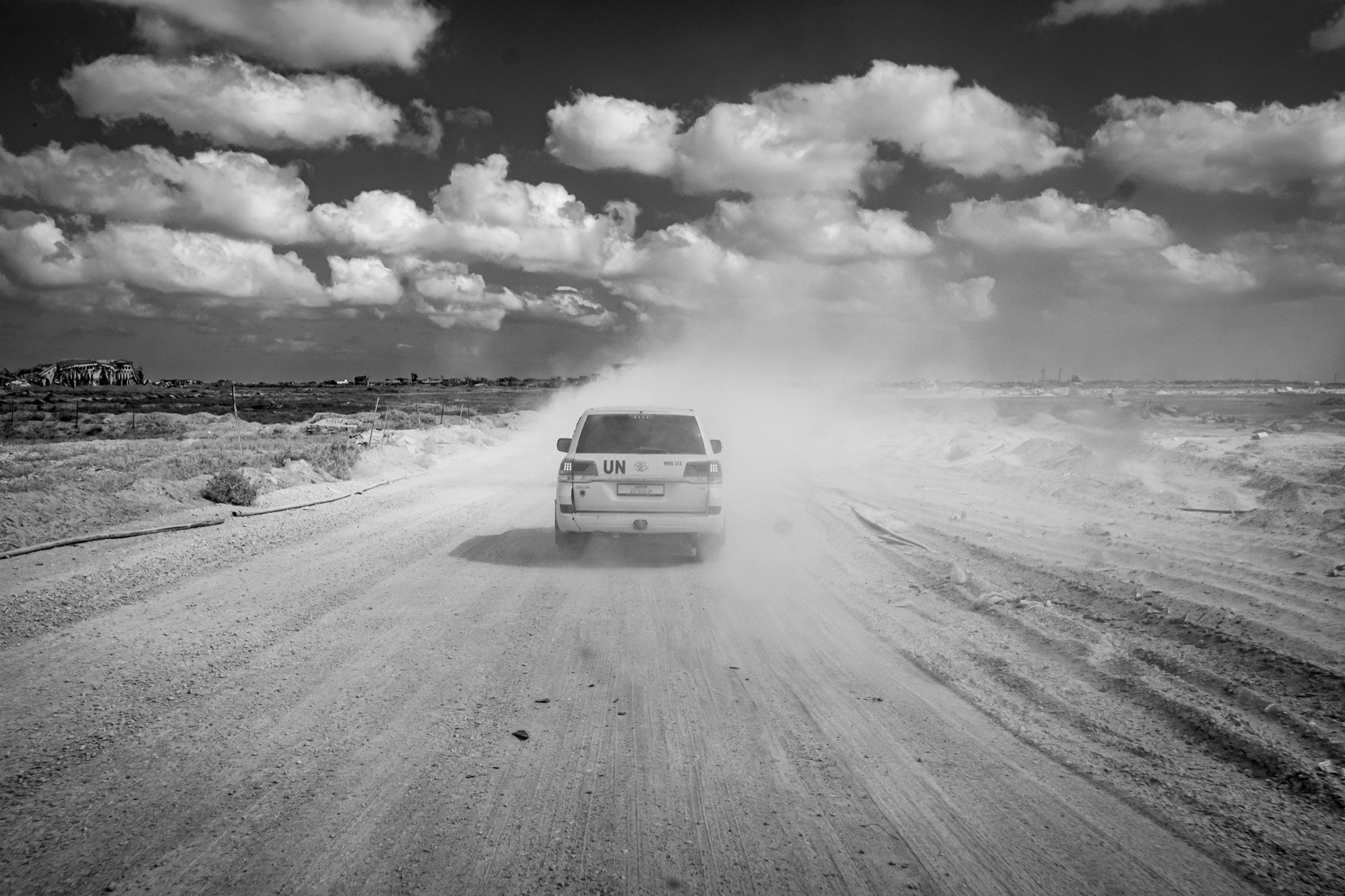
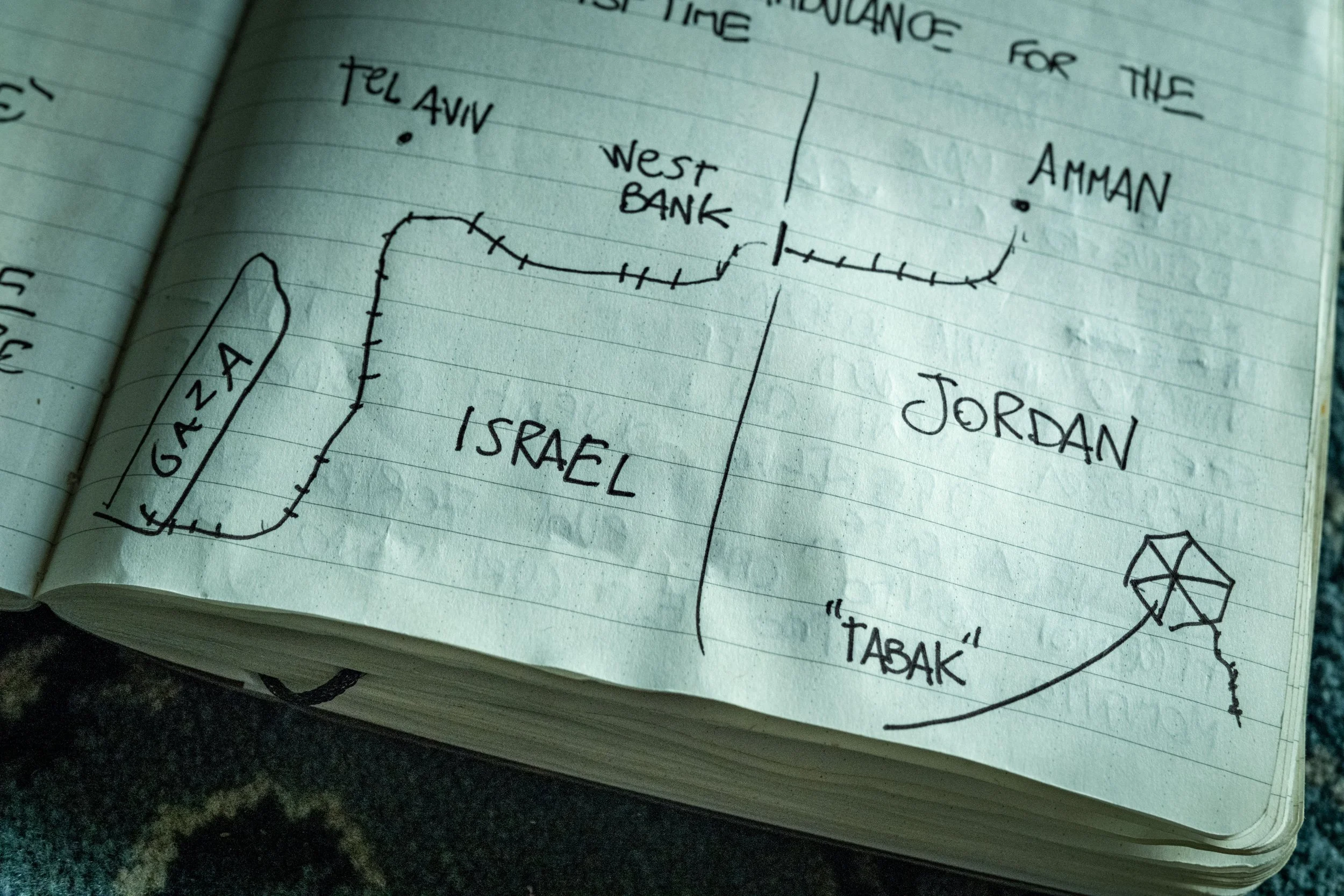
The Book I Never Wanted to Write
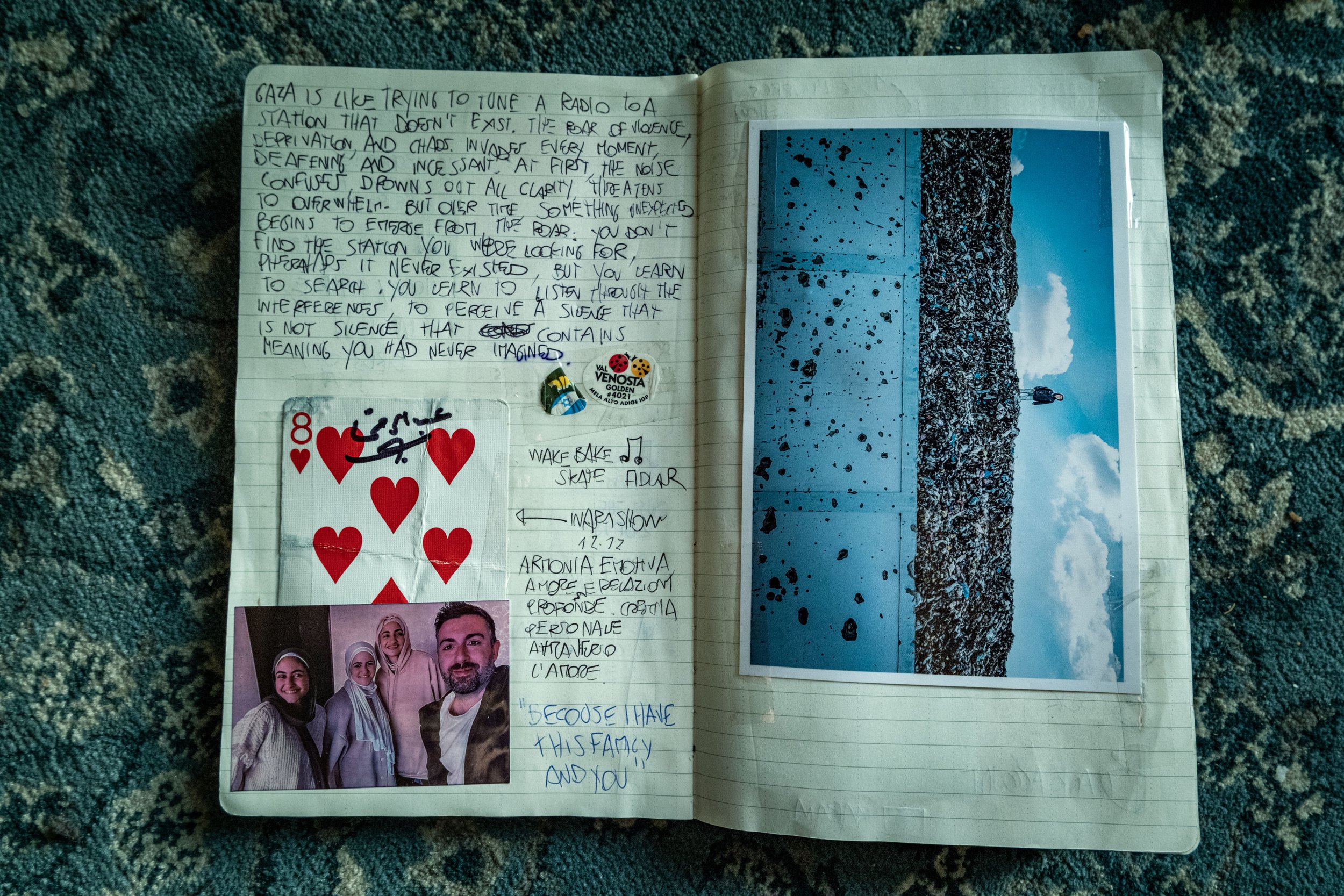
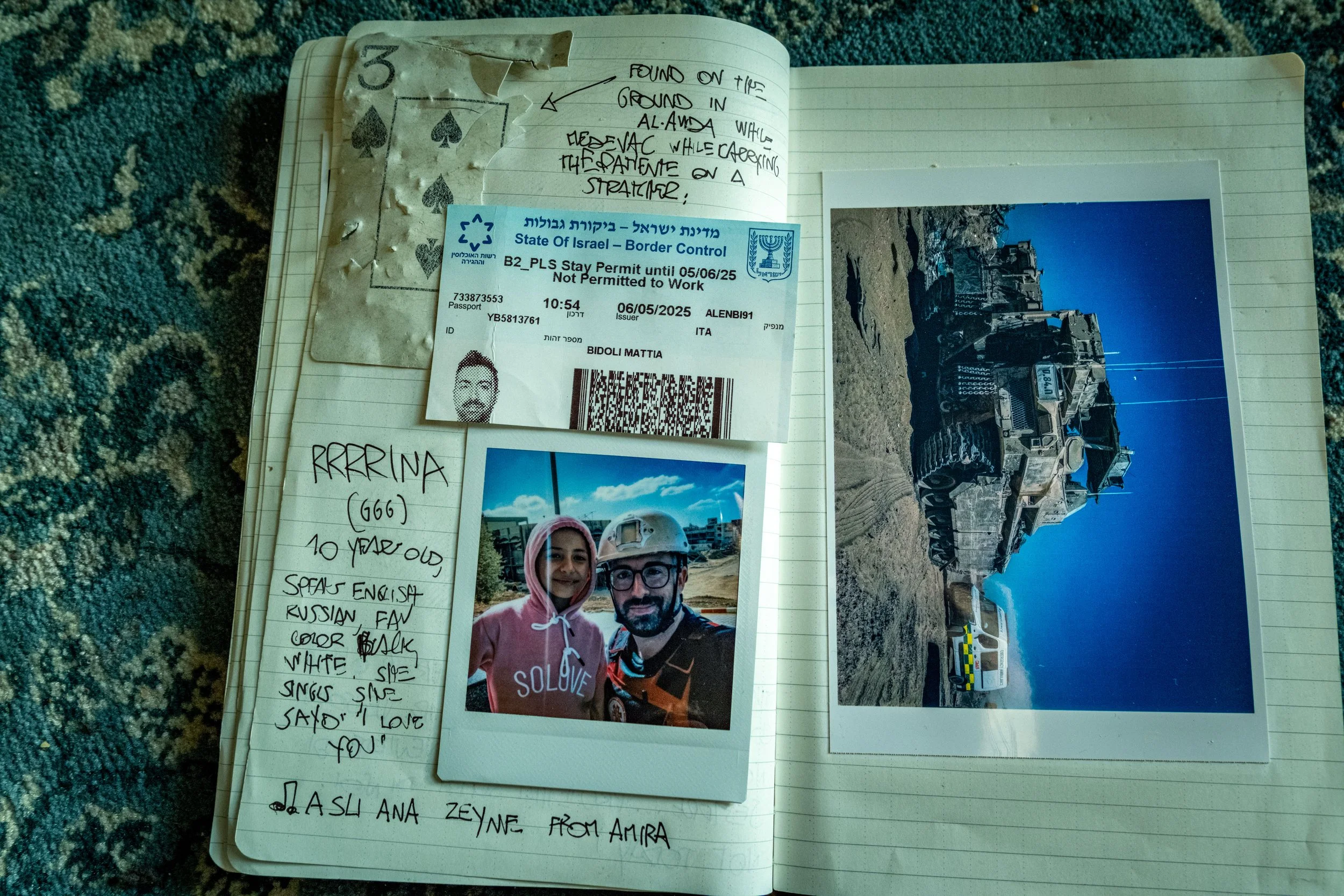
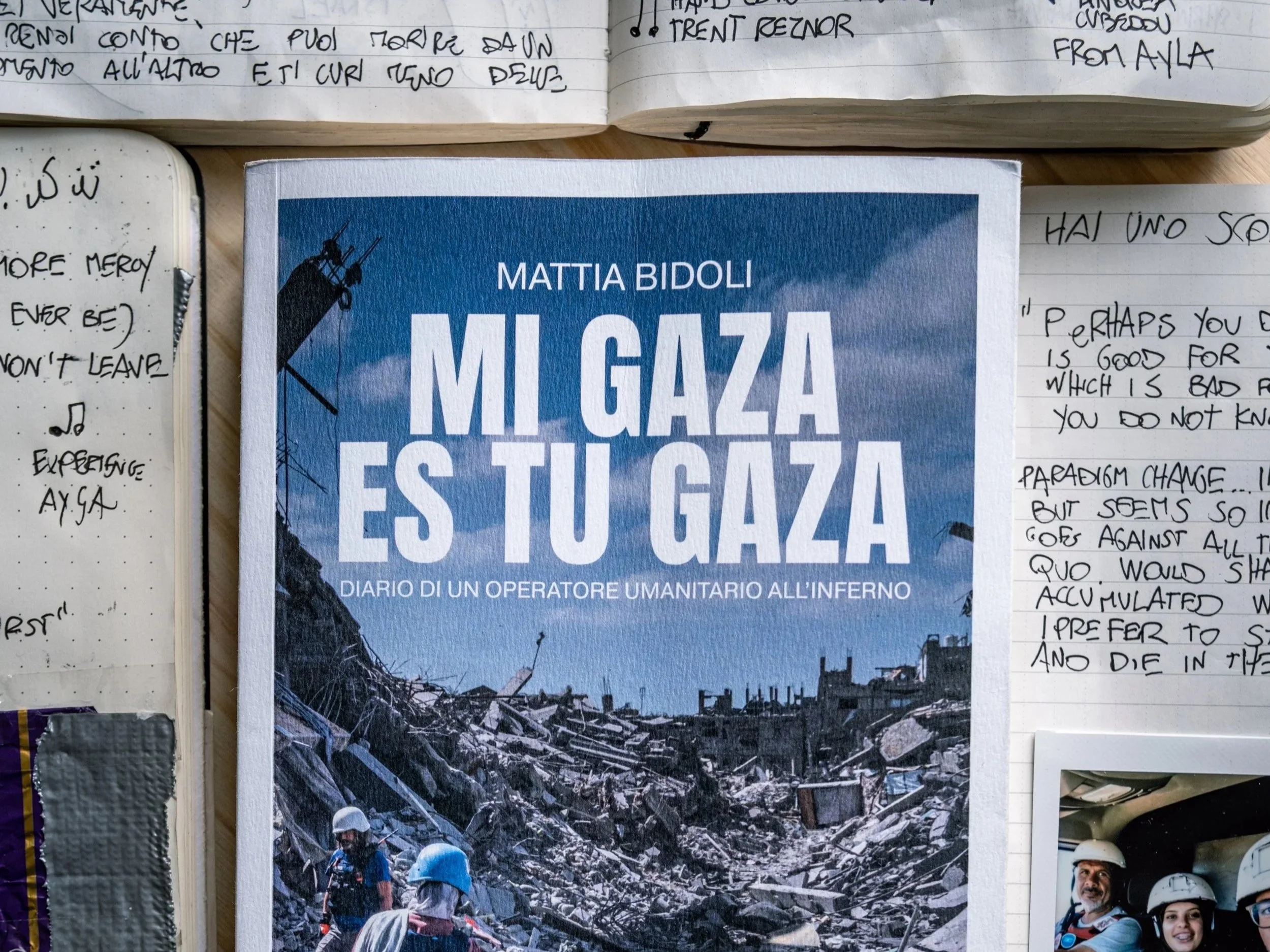
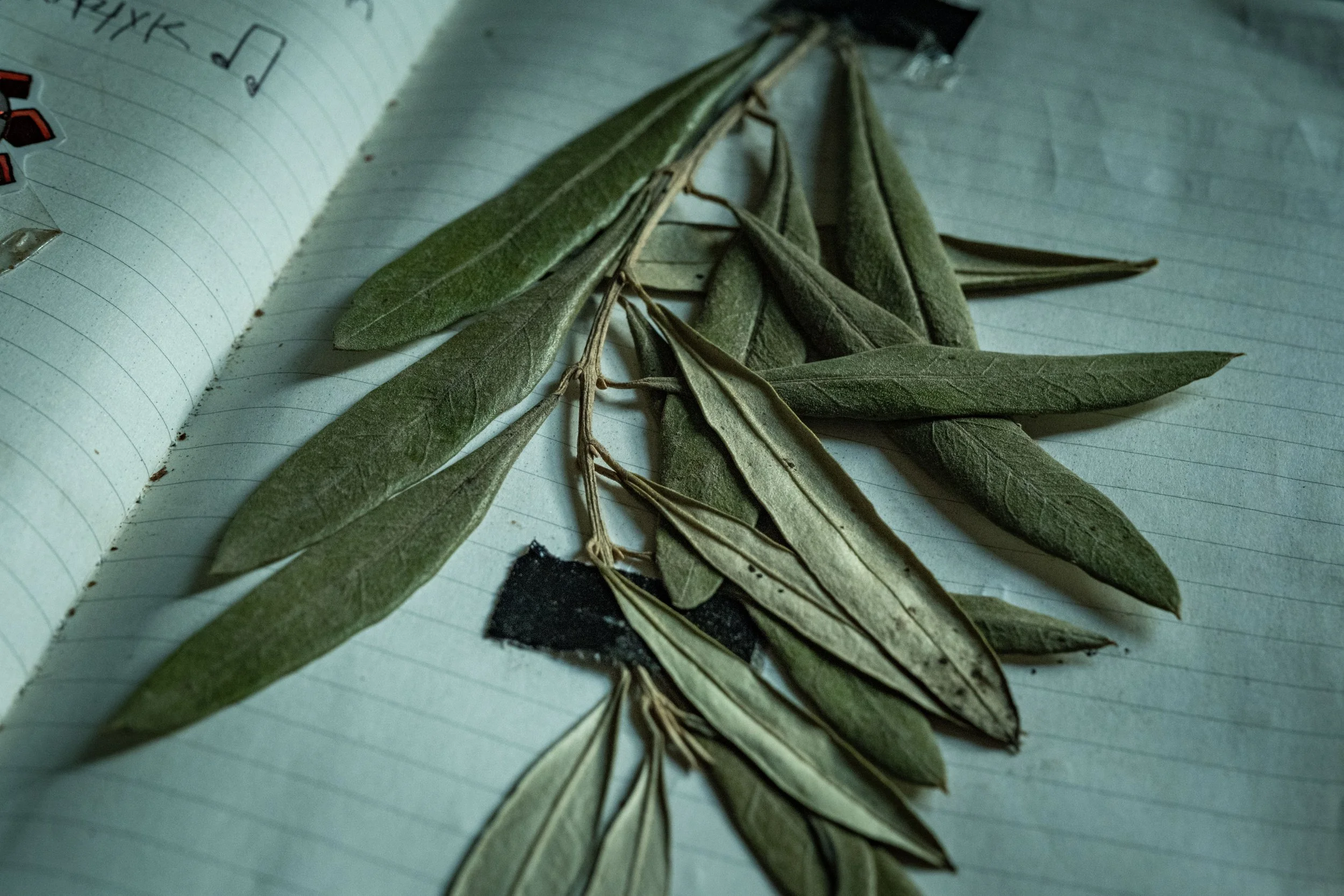
This book began as a pile of notebooks I could not reopen.
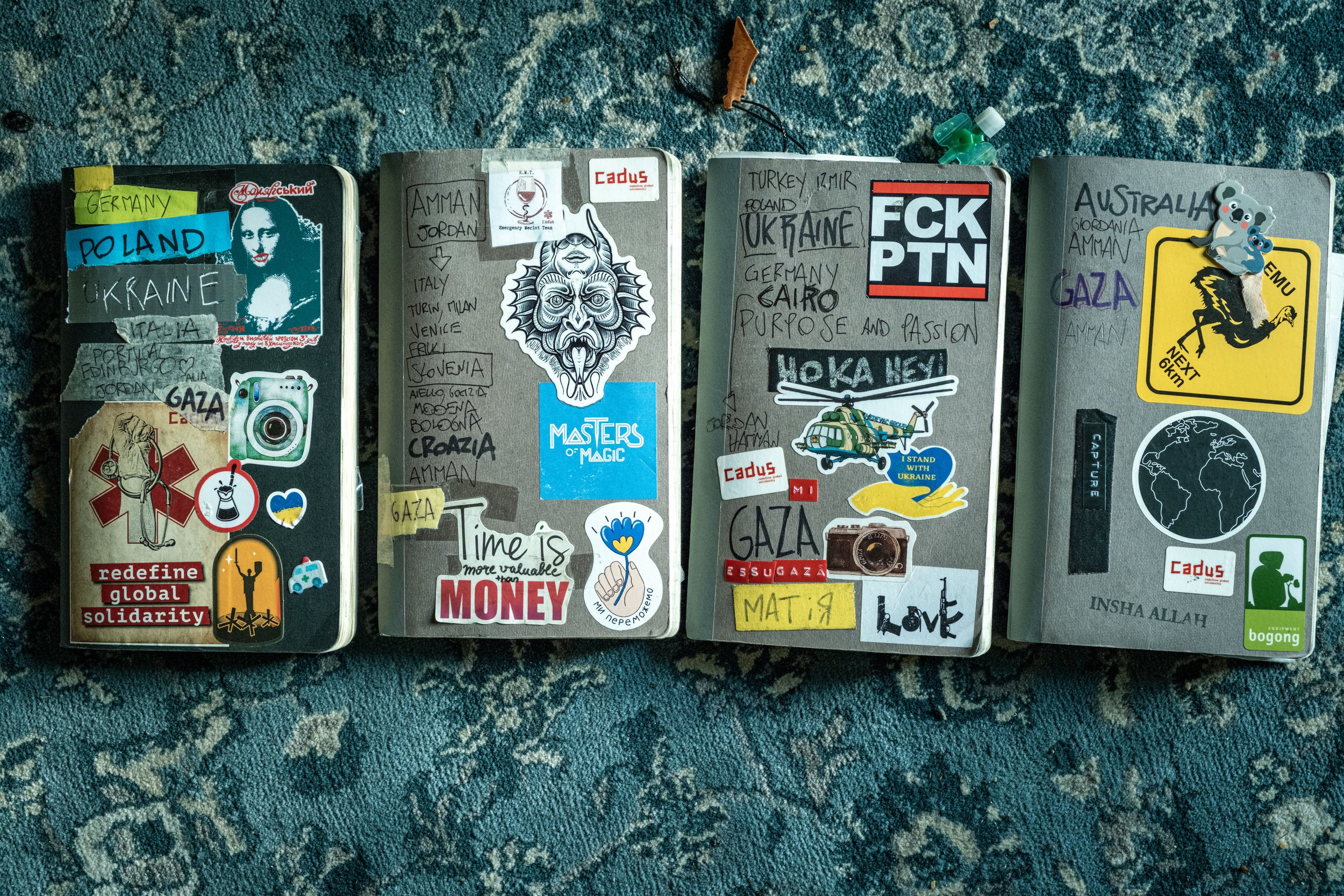
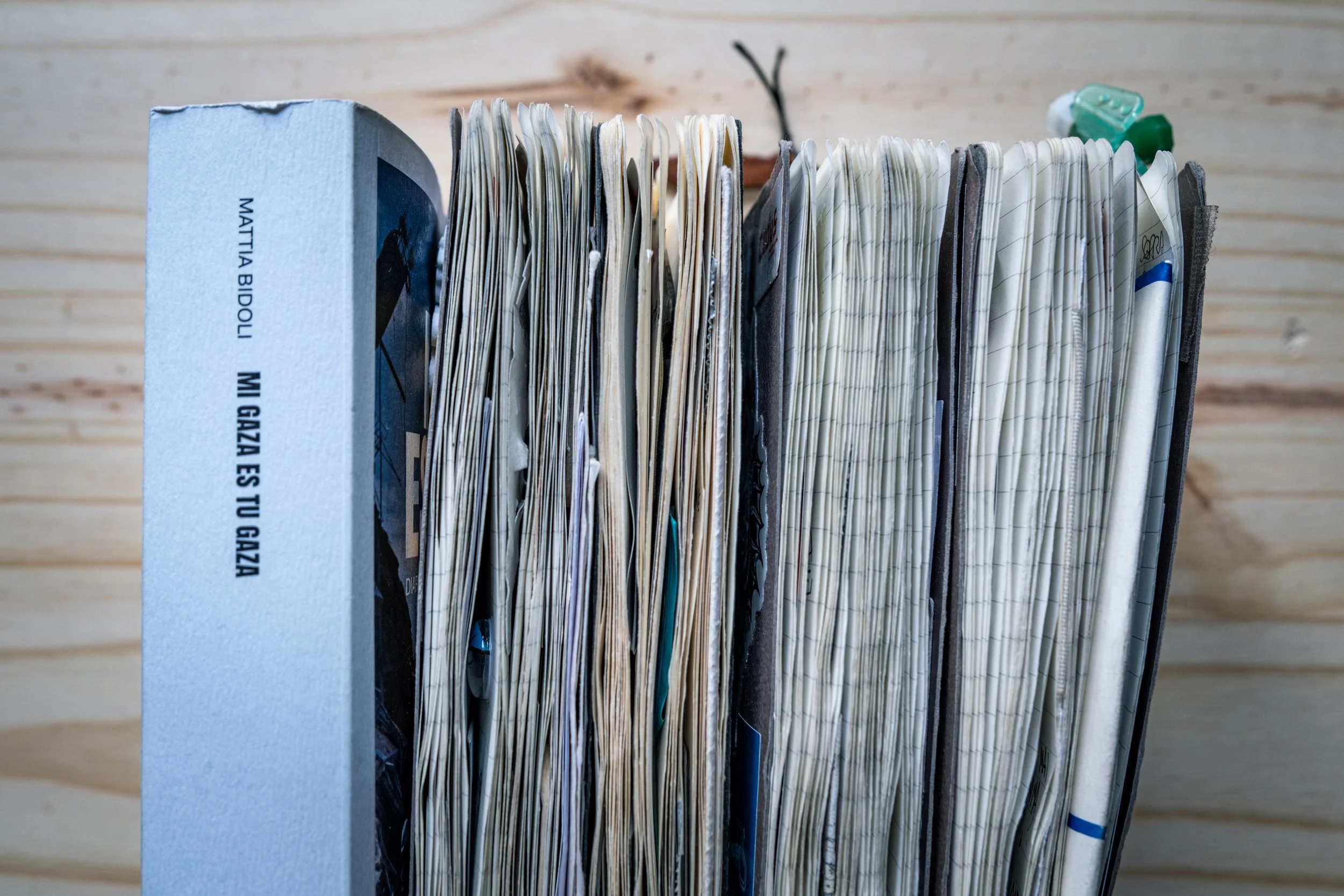
There are things that hurt twice: when they happen, and when you return to them. Writing about Gaza was like that.
The problem was never finding the words. The problem was that there were too many of them.
I would open a notebook and everything came back at once: smells, names, times, rooms, phones that no longer answer. There is a difference between having nothing to say and having so much to say that you no longer know where to begin. In the second case, silence is not empty. It is full.
The problem is not only writing. It is returning.
Returning to the notebooks you filled while you were there, writing quickly, almost without thinking, just to make sure nothing disappeared. To stop things from slipping away. And then opening them again, months later, and realizing those lines are not words anymore. They are coordinates. They take you back to that exact place, at that exact hour, with that particular smell in the air, with a sound you had forgotten you remembered.
At the time, you write almost automatically. This is what I saw. This is what happened.
Then you read those pages again, months later, and something changes. Writing stops being a document and becomes a portal.
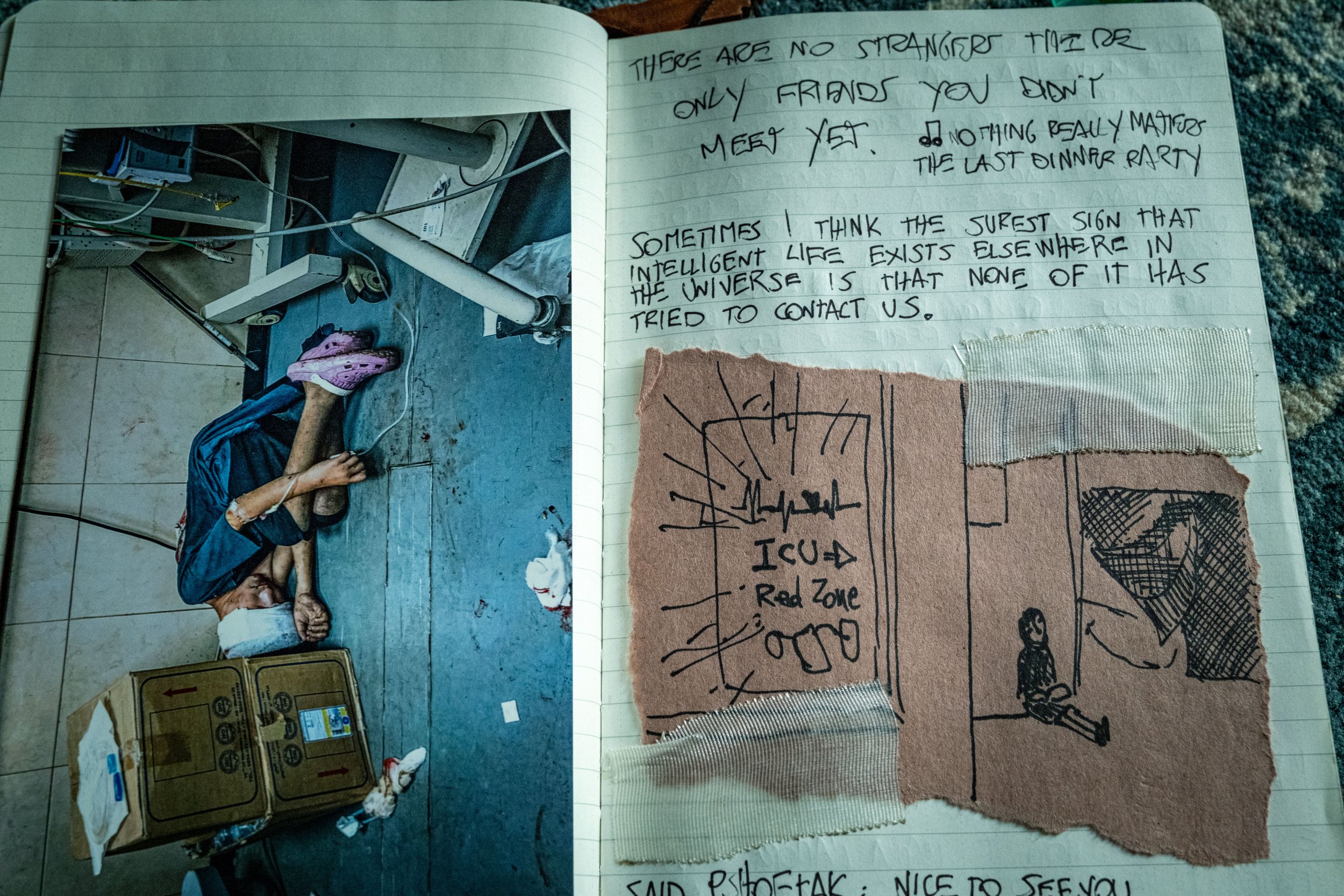
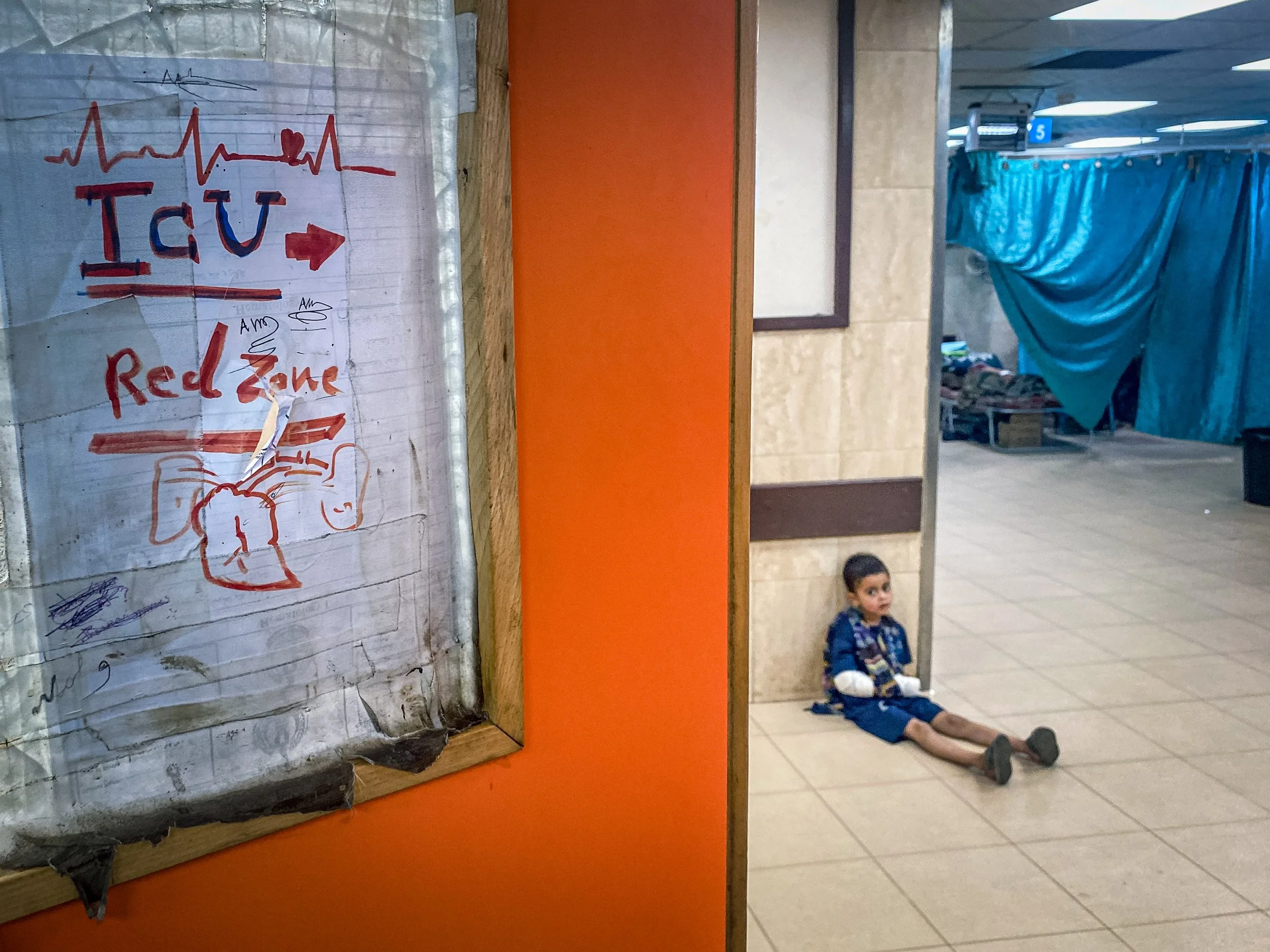
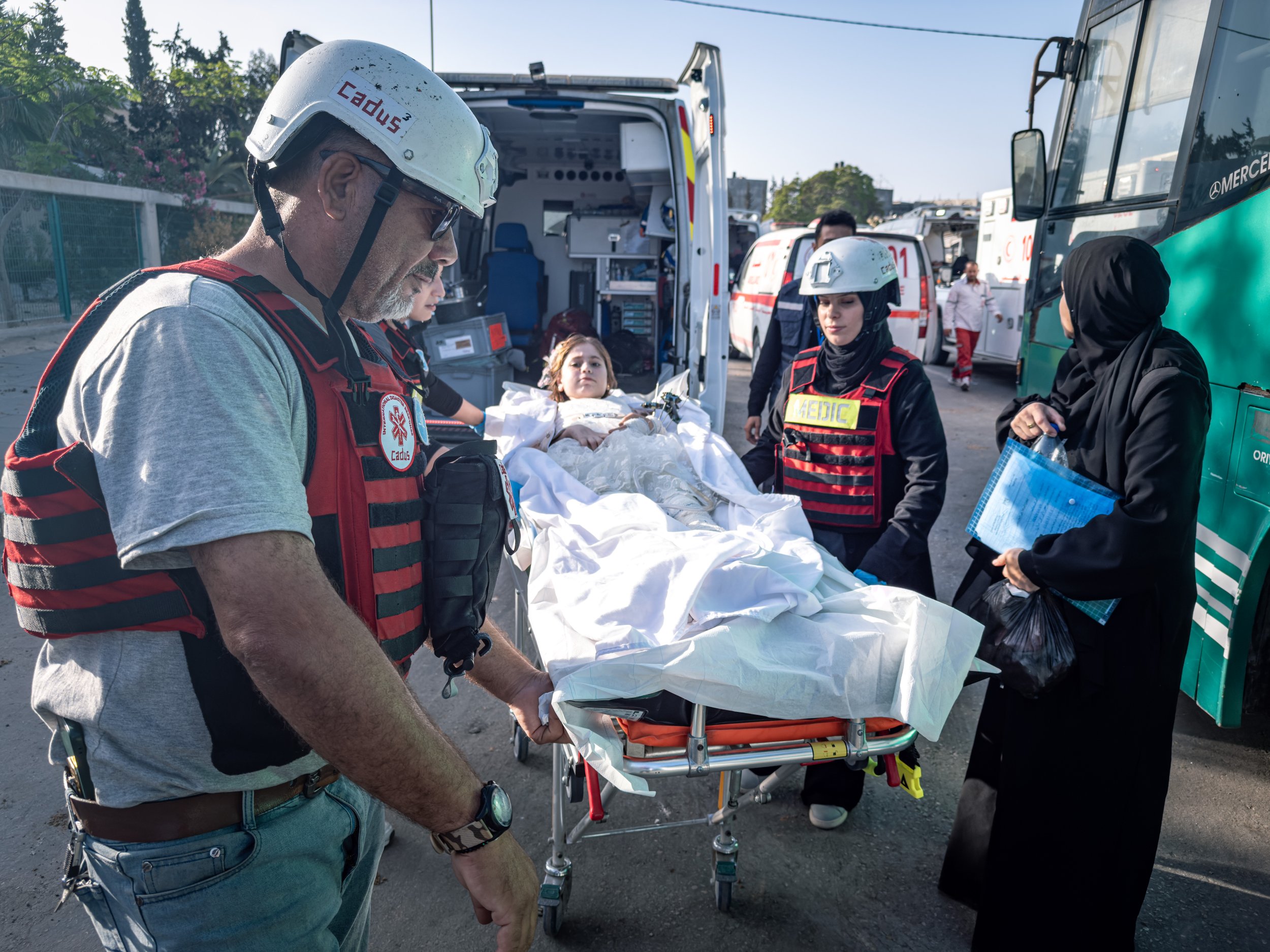
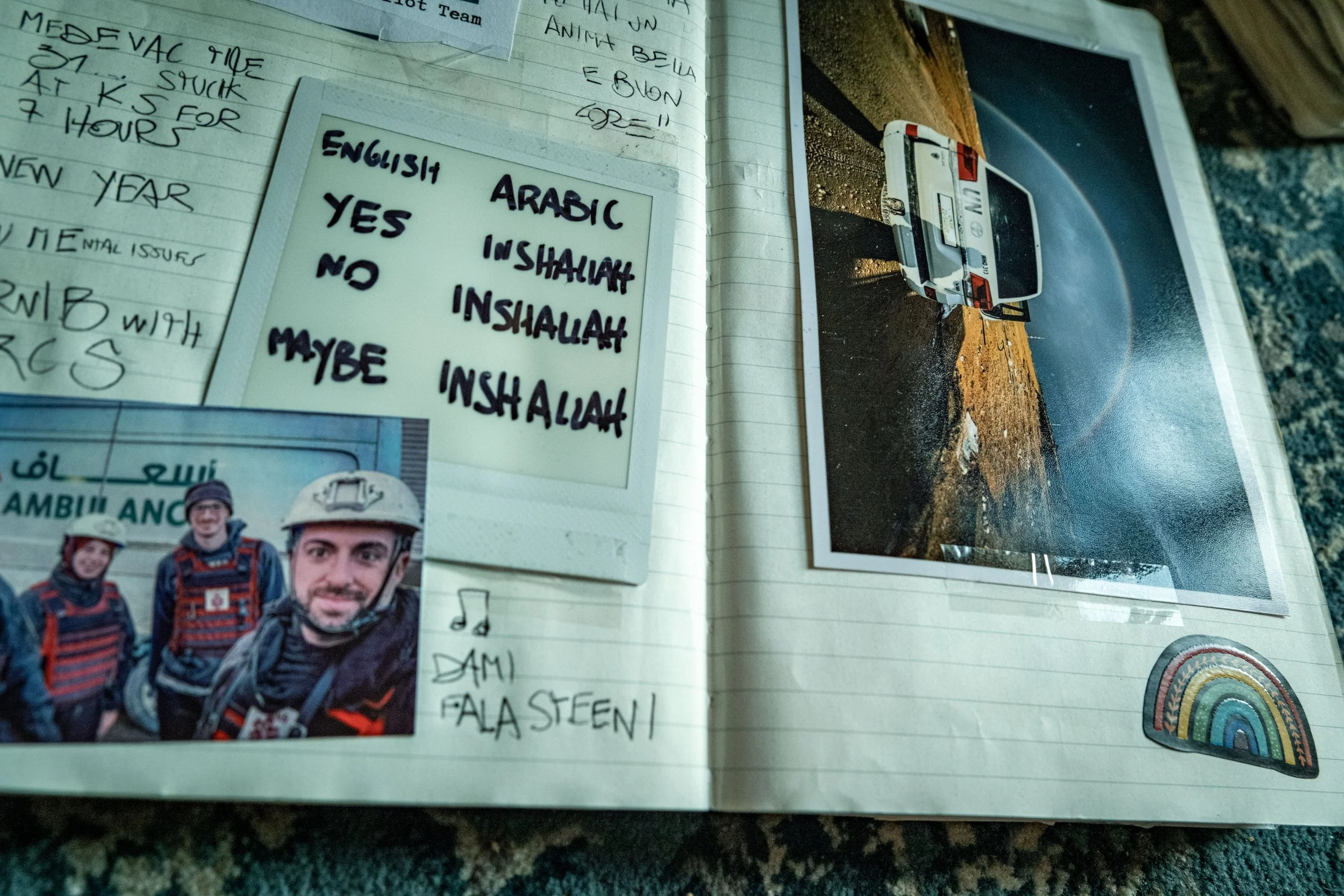
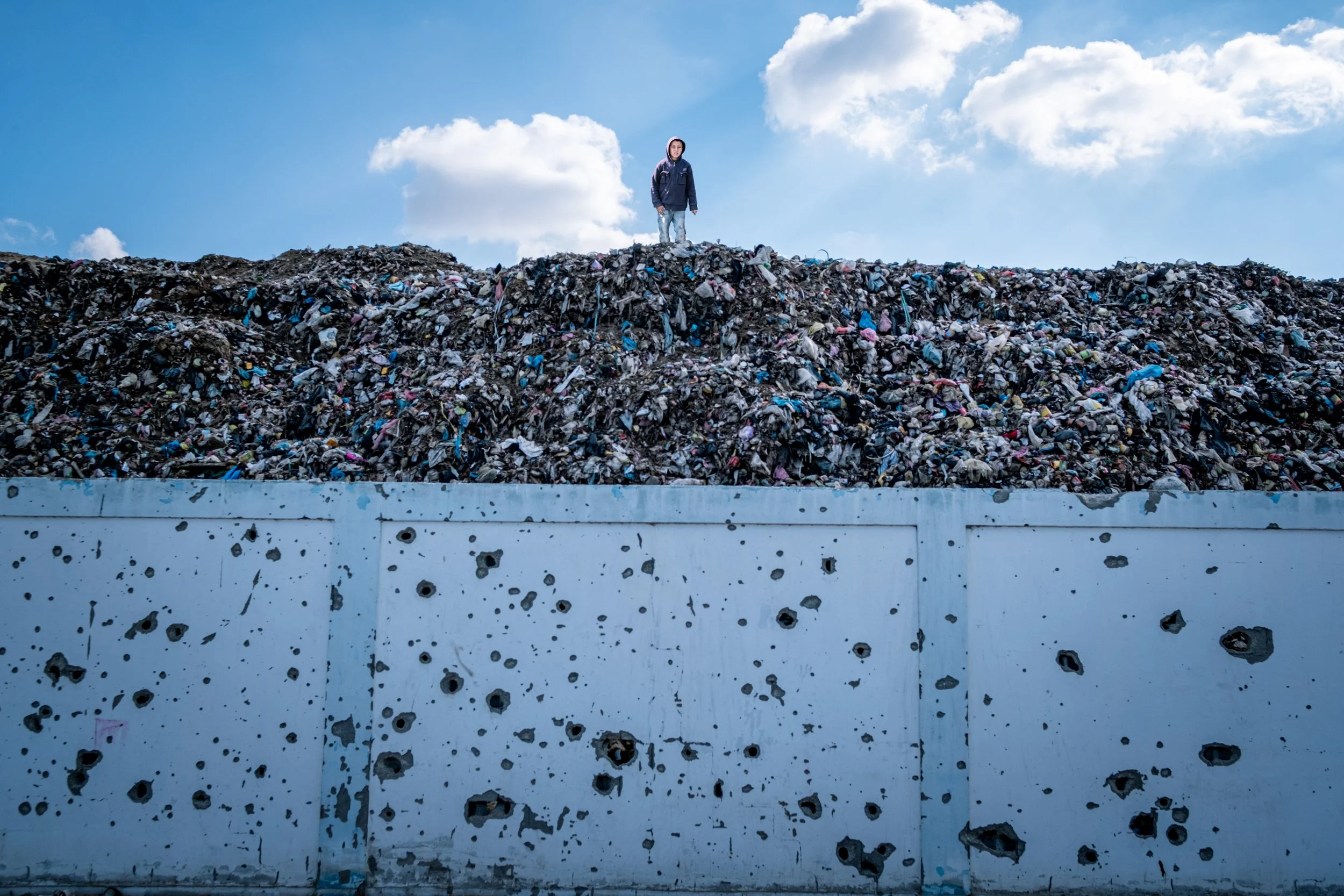
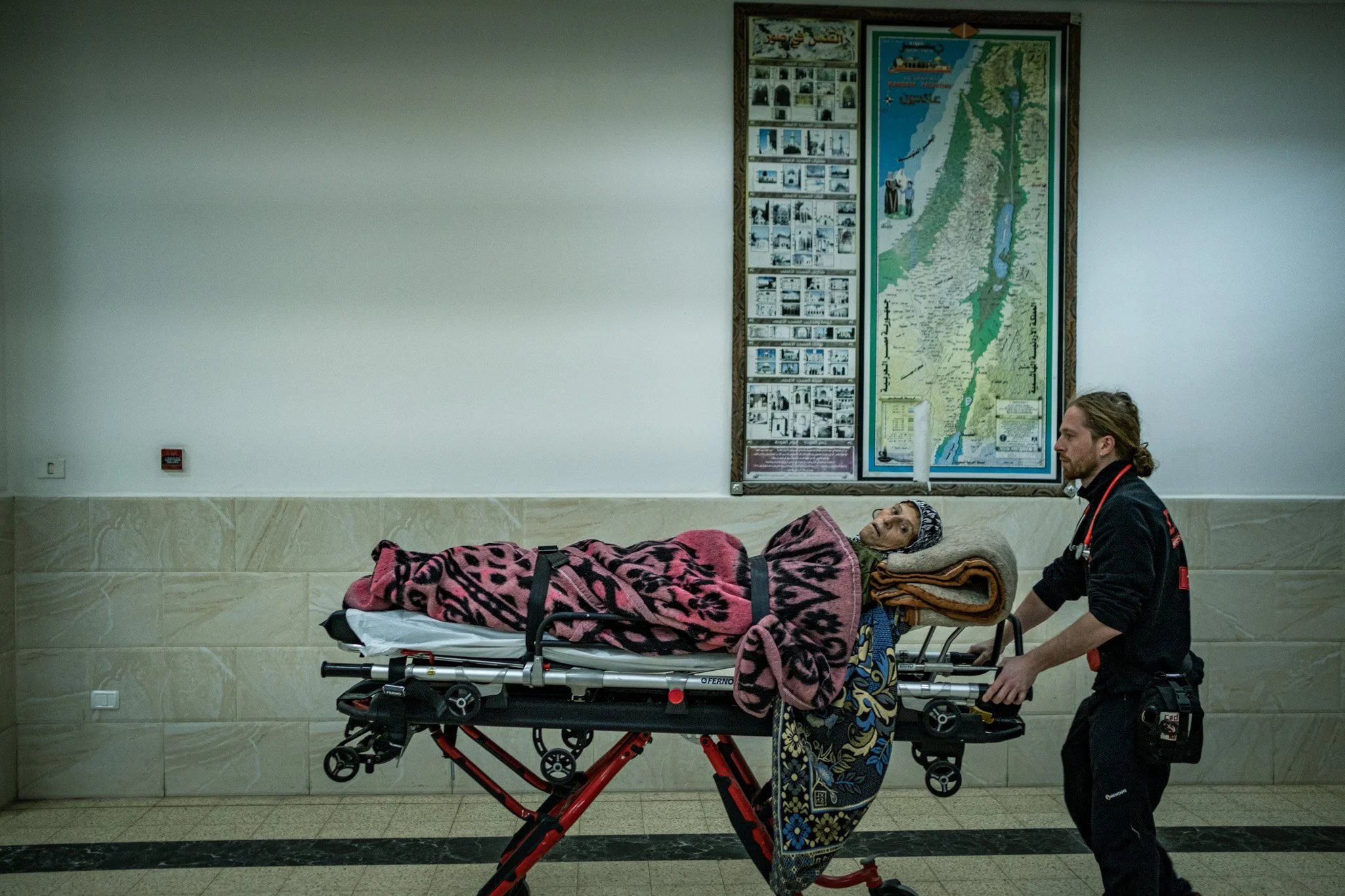
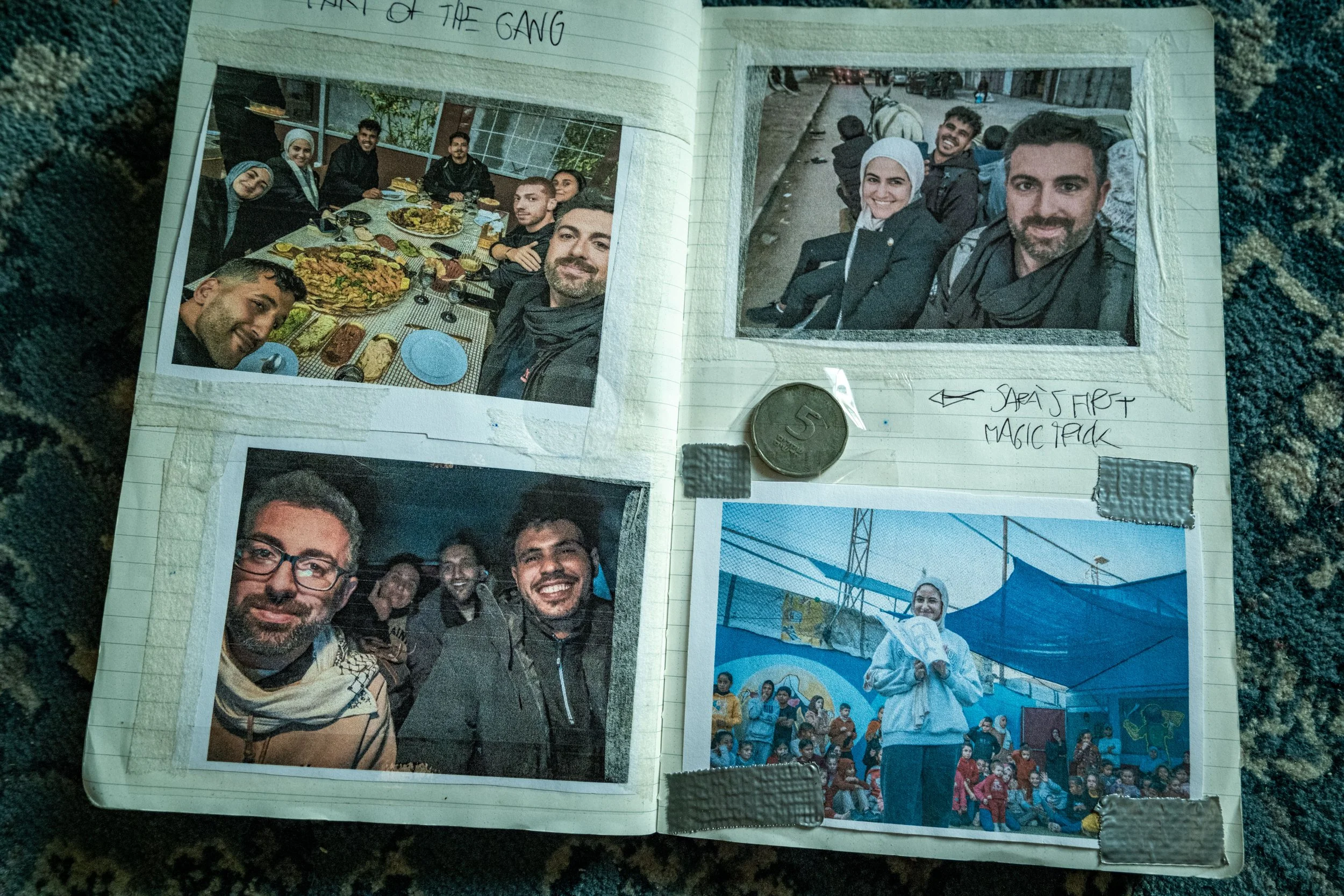
Looking at the photographs is even worse.
Because a photograph does not ask for permission. It does not negotiate. It looks back at you.
You can try to look at it technically — think about the light, the composition, the lens you used. It lasts a few seconds. Then you recognize the moment. And the moment comes back whole, without asking whether you are ready for it.
Gaza settles into photographs in a particular way. It is not only what enters the frame. It is what remains at the edges. Outside the frame. Out of focus.
The rubble you did not photograph because you were too tired of photographing rubble.
The face of someone you chose not to photograph out of respect. Or maybe because you did not know how to carry the weight of that responsibility.
The streets that look normal and are not.
The people who smile in ways you do not understand at first. Then you realize that smile is a form of resistance.
Looking at the photographs means confronting what you chose to show and what you kept for yourself. And often the truest part is the part you never showed to anyone.
Gaza exists in the world with a specific gravity no other place carries. It is a name that arrives already loaded, saturated with meanings you did not put there yourself. And writing about it means carrying everything that existed before your arrival — and everything that continues after your departure.
You cannot tell it as though it were only your story. Because it is not.
And yet the only perspective you truly possess is your own. The only honest thing you can offer is a precise account of what you saw — with your own eyes, on specific days, in specific rooms. Everything else belongs to history, to numbers, to analysts.
You can only say: I was there. And I saw this.
So you move carefully, from one page to another, from one photograph to another, trying to find a balance that perhaps does not exist. Trying to remain faithful to all of this without reducing it, without making it easier to look at.
The greatest risk, when writing about wounded places and people trapped inside stories they never chose, is turning pain into something narratively beautiful. It is a subtle trap. Sometimes a sentence feels necessary, and then later you realize it was only effective. And those are not the same thing.
Being faithful also means learning to abandon beautiful sentences when they become a form of appropriation.
But the heaviest weight is the stories people entrusted to you.
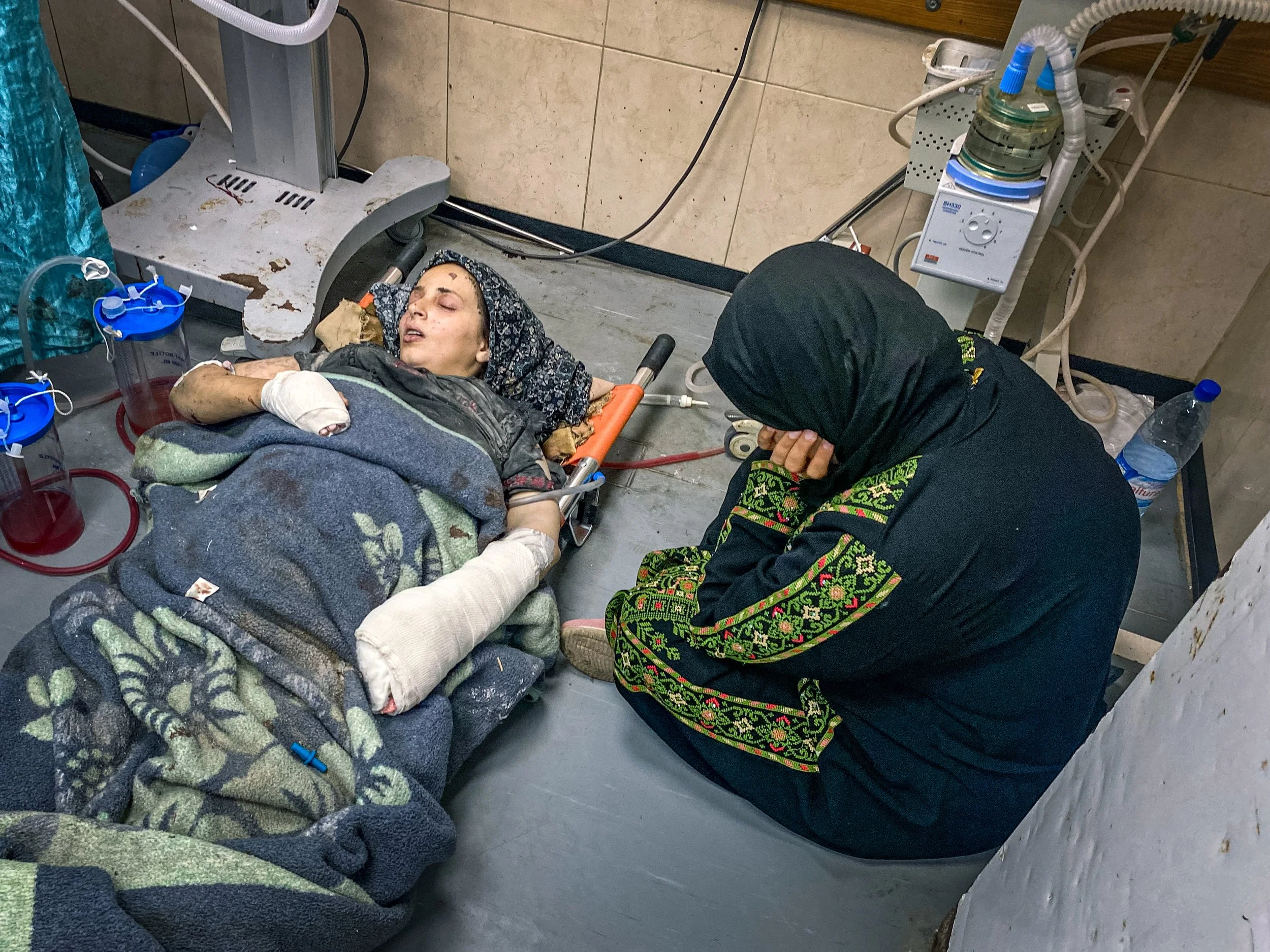
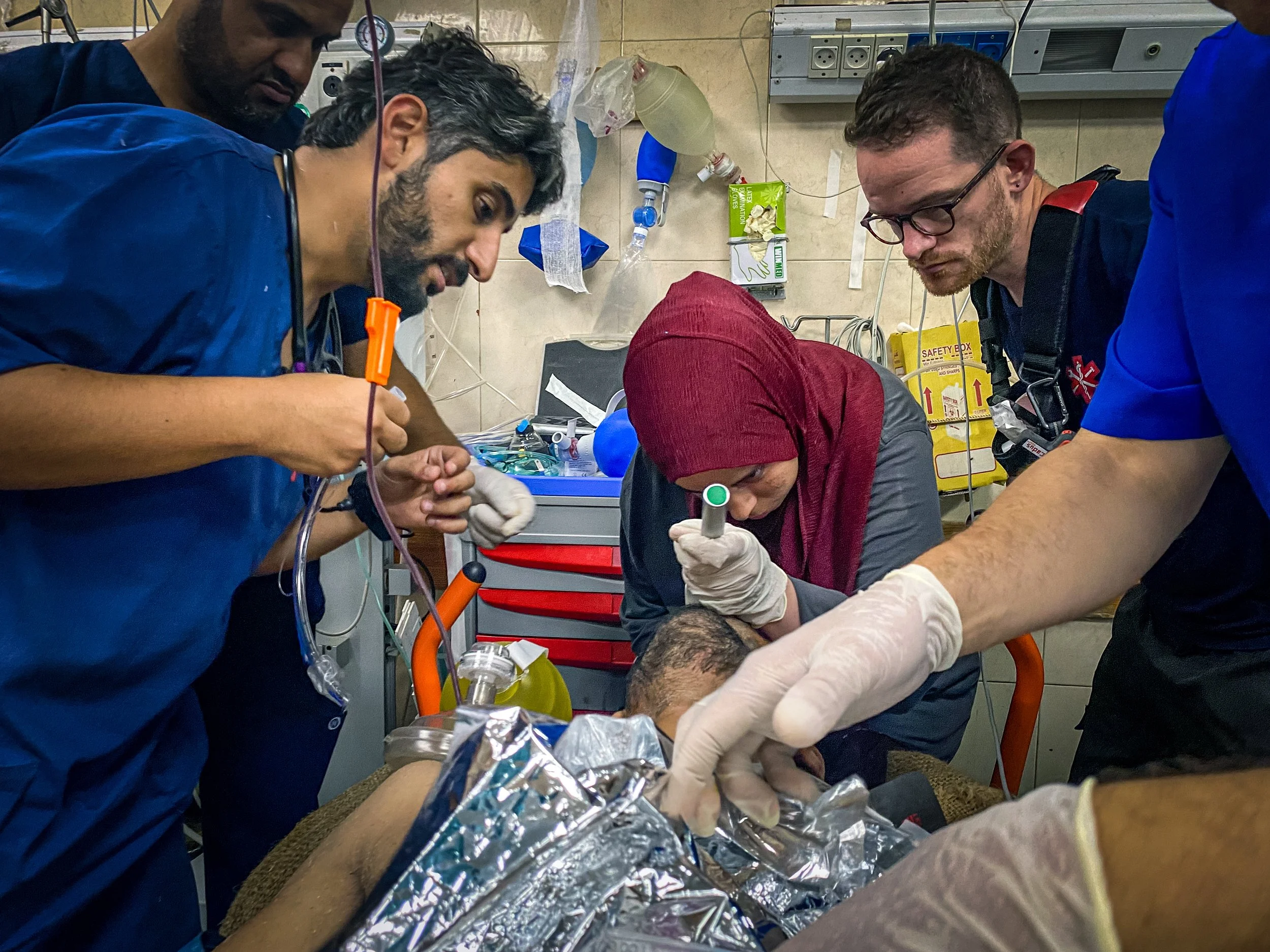
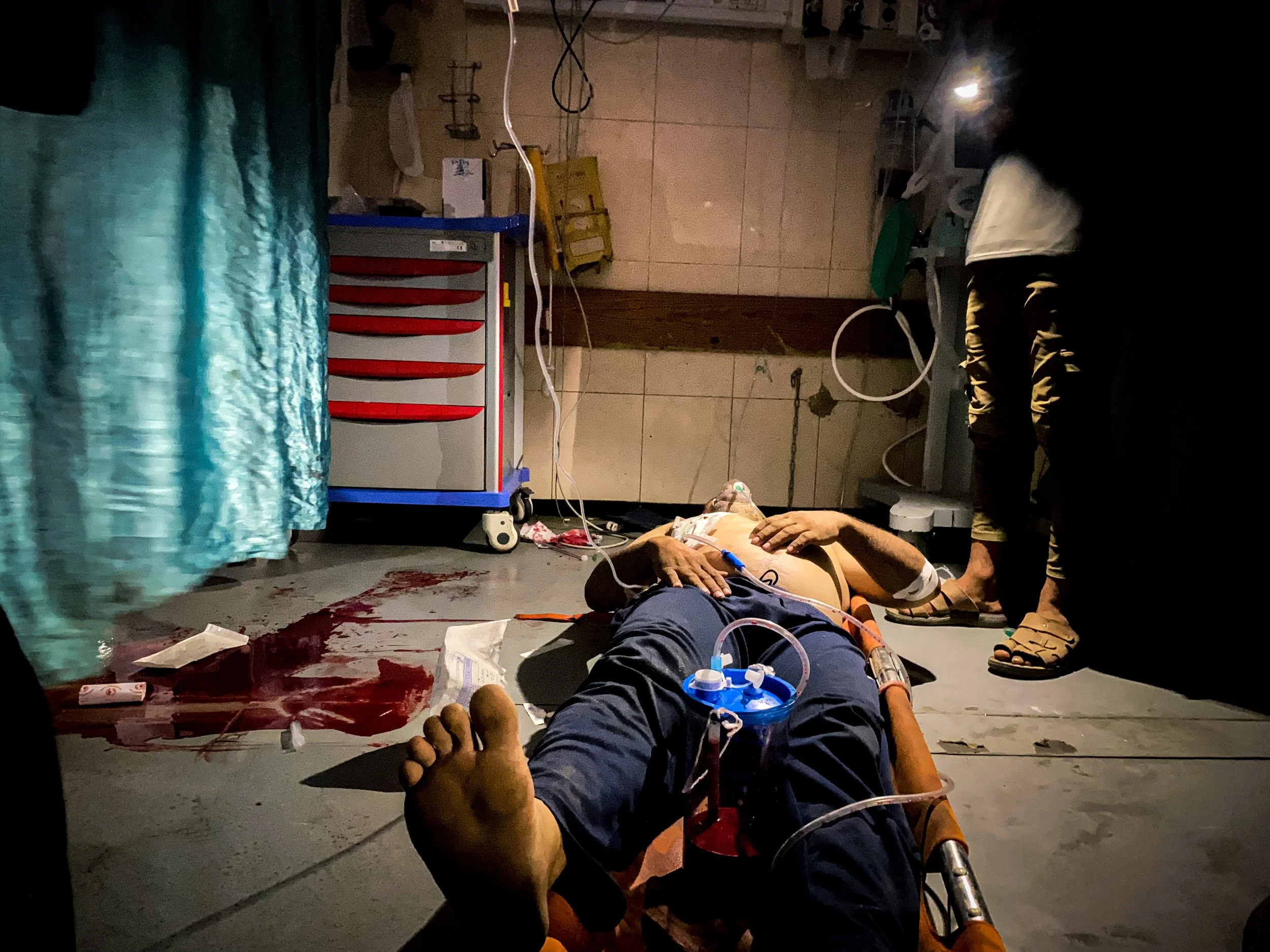
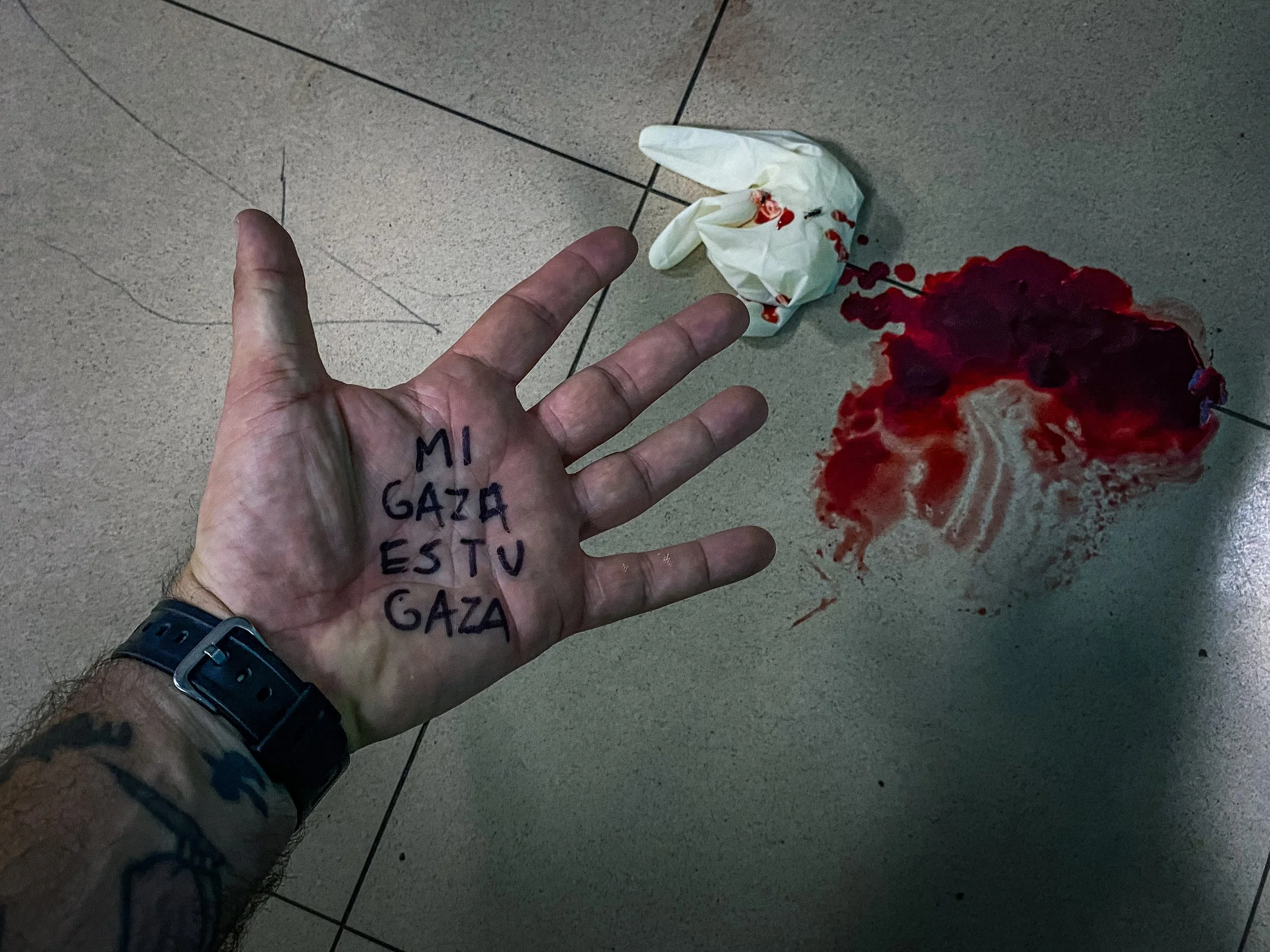
They gave them to you while drinking tea. Or lying on the ground in the middle of their own blood. In moments when they trusted you enough to open something in front of you.
And you took those stories. You placed them in your notebooks, inside your photographs, inside yourself.
Now they are there.
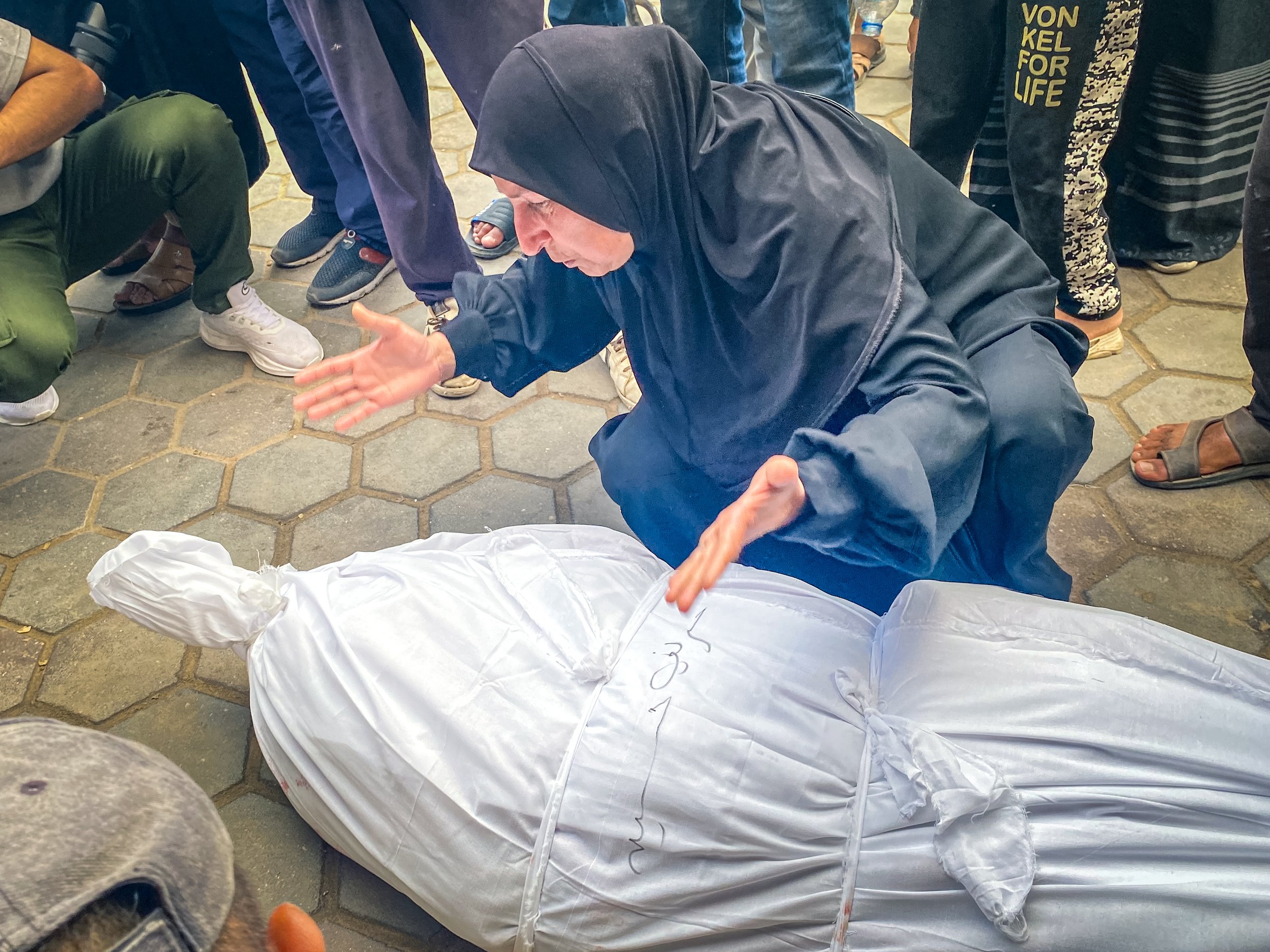
Some of those people are no longer alive. You do not always know with certainty. But there are names you search for and cannot find, phone numbers that ring into emptiness, silences that answer in their place.
And then the question changes.
It is no longer: how do I tell this story?
It becomes: how do I tell it without betraying the person who gave it to me?
How do you honor someone who may never read what you wrote about them? About their life? For them?
Because in Gaza, bonds are created with a speed and depth that would be impossible elsewhere. There is no time for social distance, for carefully edited versions of yourself. People look directly at you, and you look directly at them. And inside that exchange something immediate and irreversible happens.
And then you leave.
You return to your world, with your passport, with the ability to take a hot shower and eat an apple.
And they stay behind.
Writing about these people is not — or should not be — only a literary act. It is an act of care. It means treating every story with the same attention you gave it while listening. It means remembering that the story is not yours, even if now you are the one carrying it.
Only a few hundred international people were allowed to enter Gaza during all of this. I was one of them. And whether I like it or not, that is a form of privilege. A terrible one, sometimes. But still a privilege.
I could leave. I had a passport in my pocket. A border that, eventually, would open for me.
People there did not.
So after a while, writing stopped feeling like a choice. It started feeling like a responsibility.
Not because I believe my voice matters more than theirs. Quite the opposite. Because so many of their voices will never have the chance to be heard outside those streets, those hospitals, those destroyed rooms.
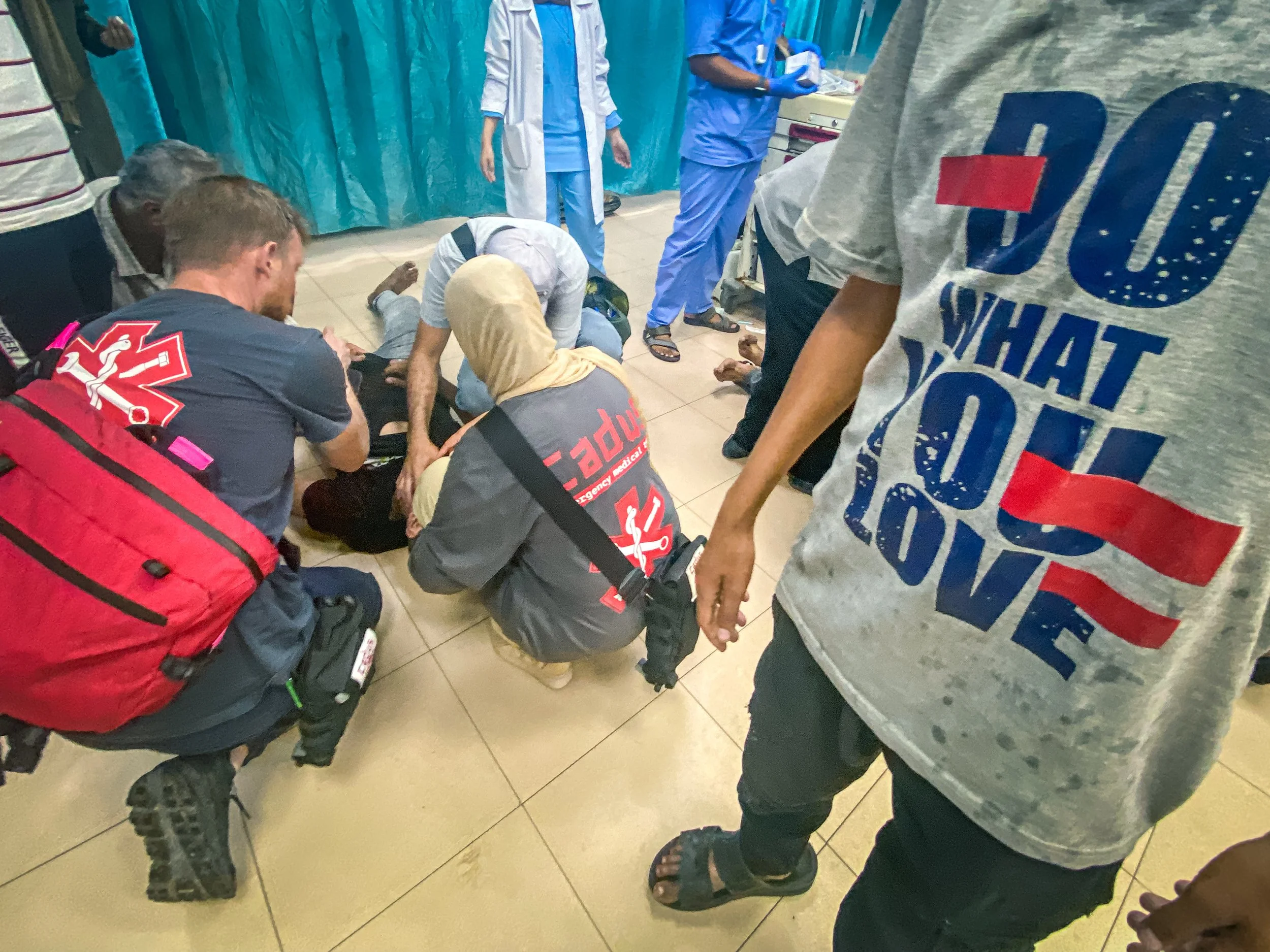
Some people told me their stories while drinking tea. Some while sitting beside the ruins of their homes. Some while bleeding on a hospital floor.
And some told me while they were dying.
Not metaphorically. Literally.
People looked at me and said:
Tell people what is happening here. Tell them we were here. Tell them what they did to us.
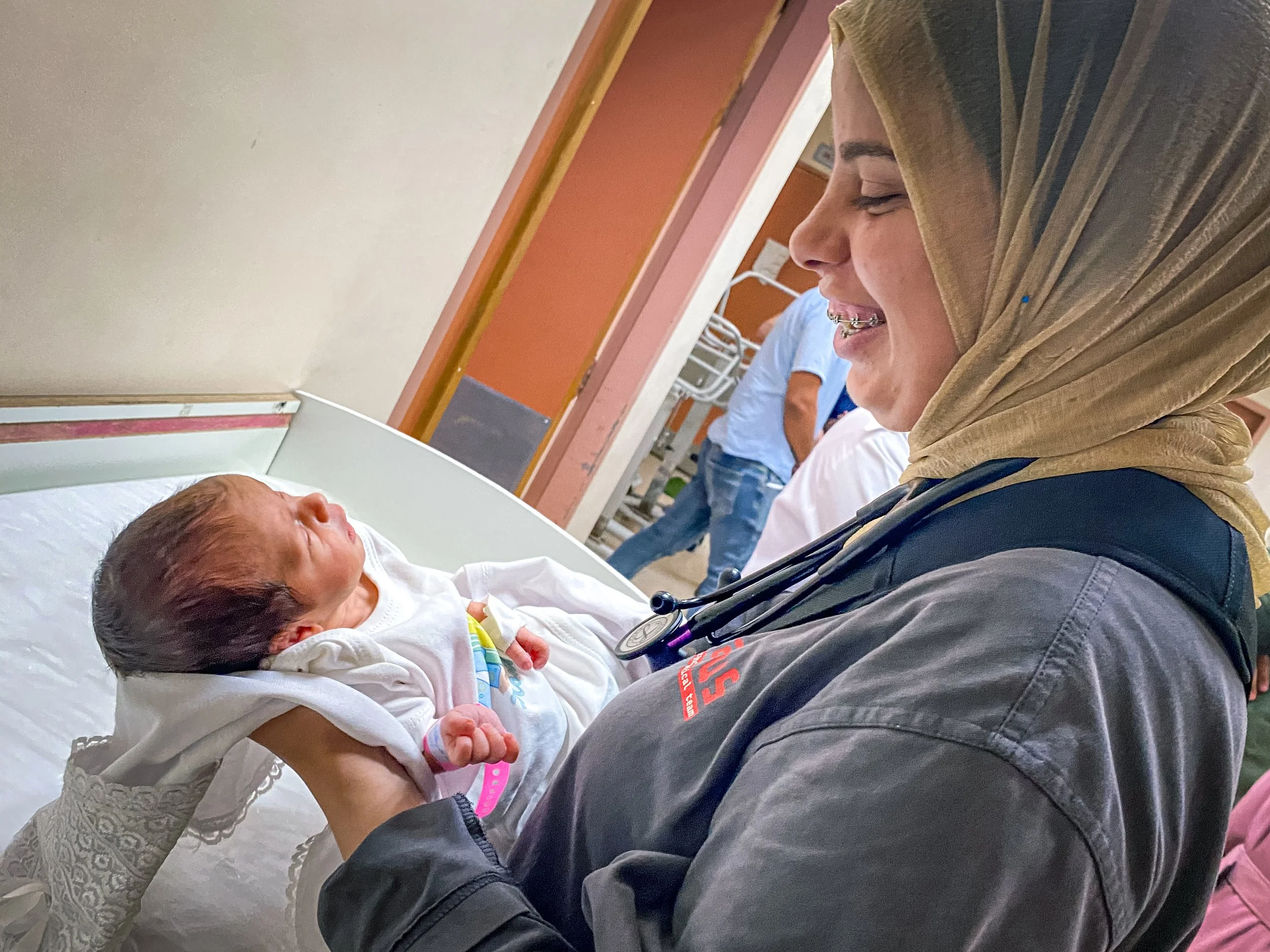
There are sentences you cannot leave behind after hearing them.
So maybe this book is simply my attempt not to fail those people.
An attempt to carry their voices carefully, imperfectly, knowing that no page will ever be enough. Knowing that writing can never fully contain what happened inside those days.
But also knowing that silence would be worse.
Because before this became a book, it was someone's life.
And for some of them, these pages are the only thing that might remain.
Some memories do not fade. They wait.
The book is done now.
The notebooks survived. I am still figuring out if I did too.