A Grain of Sand Called Rojava
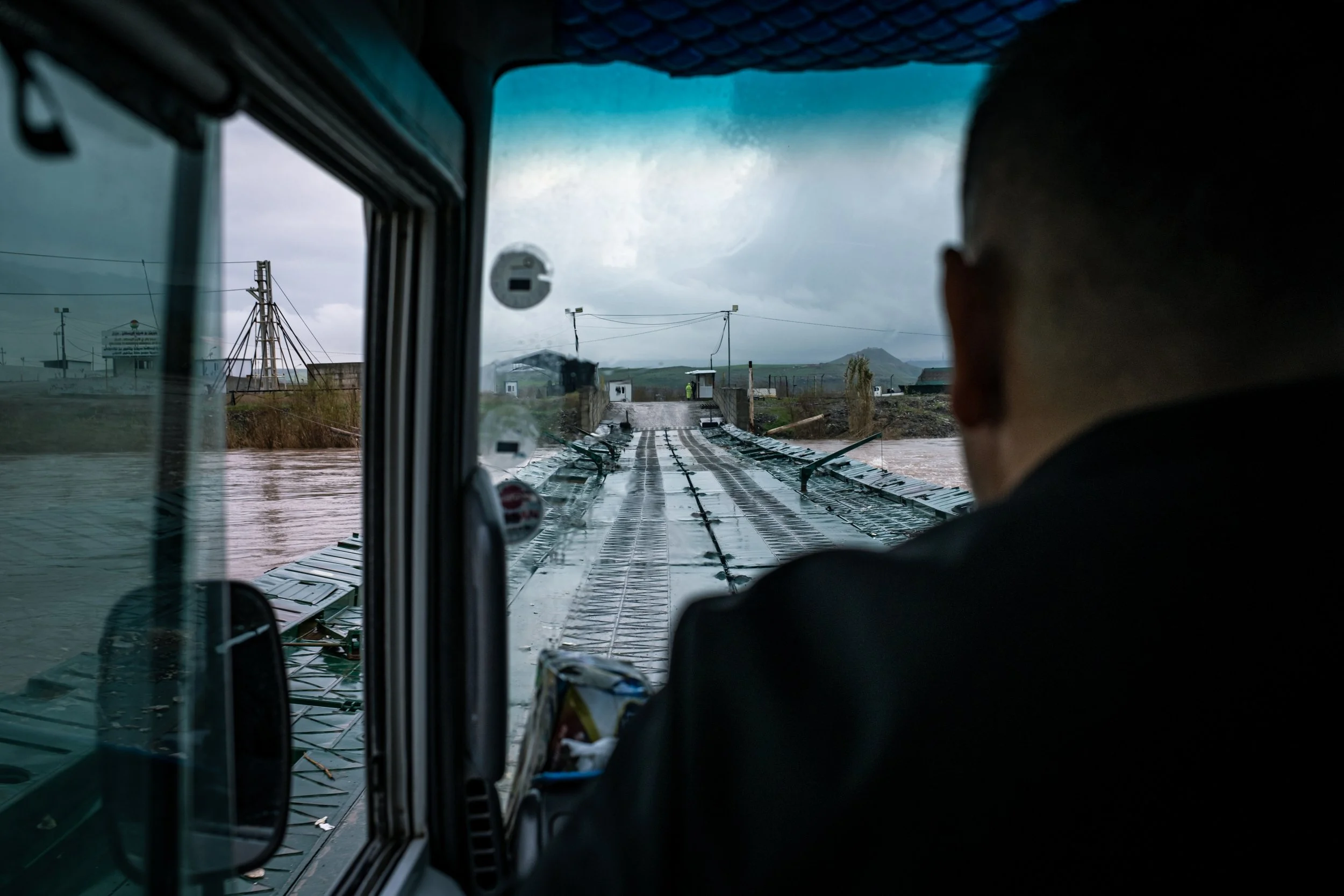
There is a moment, somewhere on the road between northern Iraq and Siria, when you cross the Tigris on a pontoon bridge. The river moves slowly beneath the planks, wide and brown, indifferent to the trucks and checkpoints and everything happening on its banks. I had studied this river in primary school, its name printed in textbooks alongside the Euphrates, ancient and distant, the kind of place that belongs to history rather than to the present. And yet here it is, real and unhurried, carrying the same water it always has while the world around it keeps changing.
A Mission of Assessment: Listening
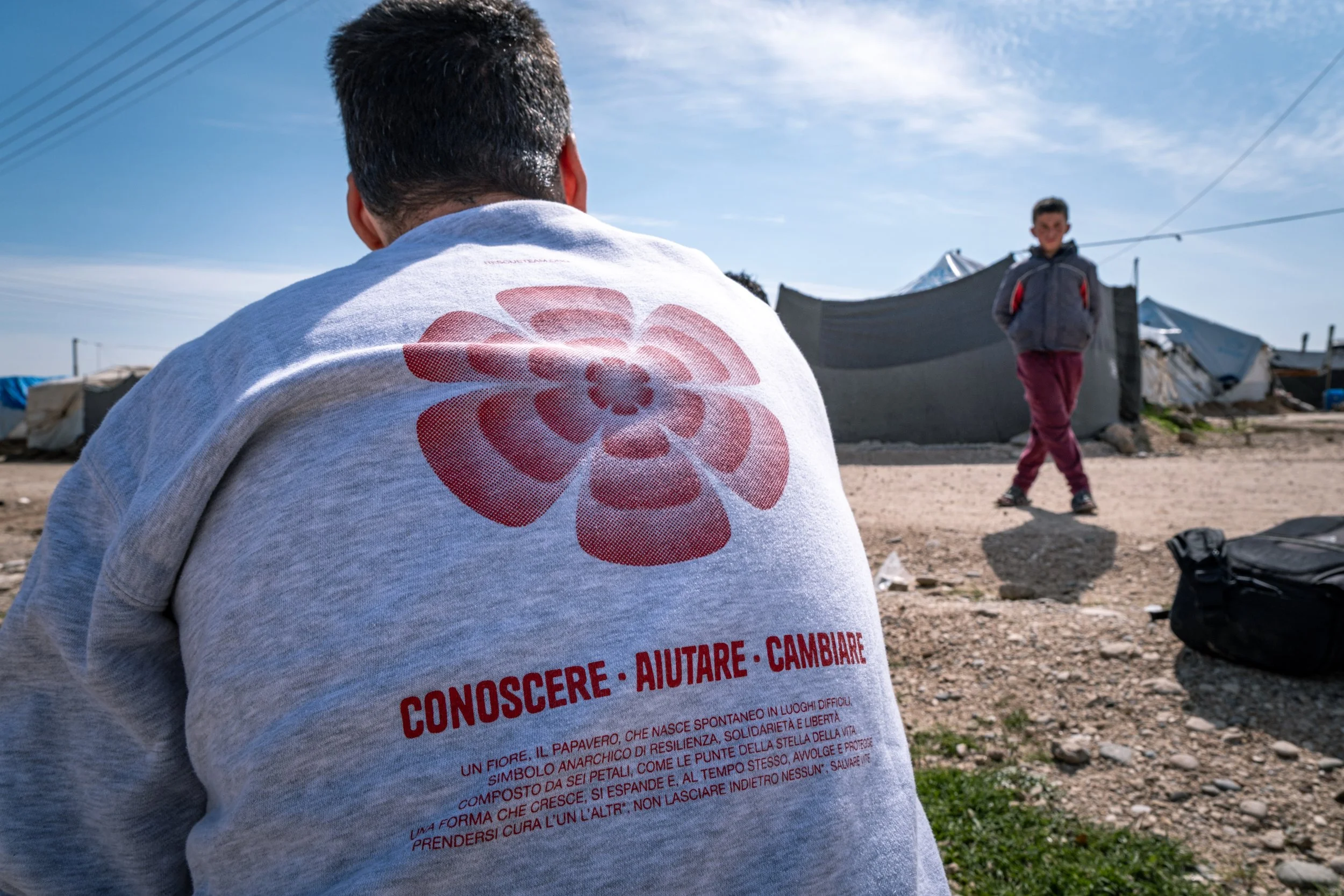
I arrived here with Rescue Team APS https://rescueteam.ong for an assessment mission. In the humanitarian world, that word shows up constantly in reports and project proposals, but it means something far simpler: listening. Listening to local first responders, doctors, and families who have been living inside a conflict that the rest of the world has almost stopped watching.
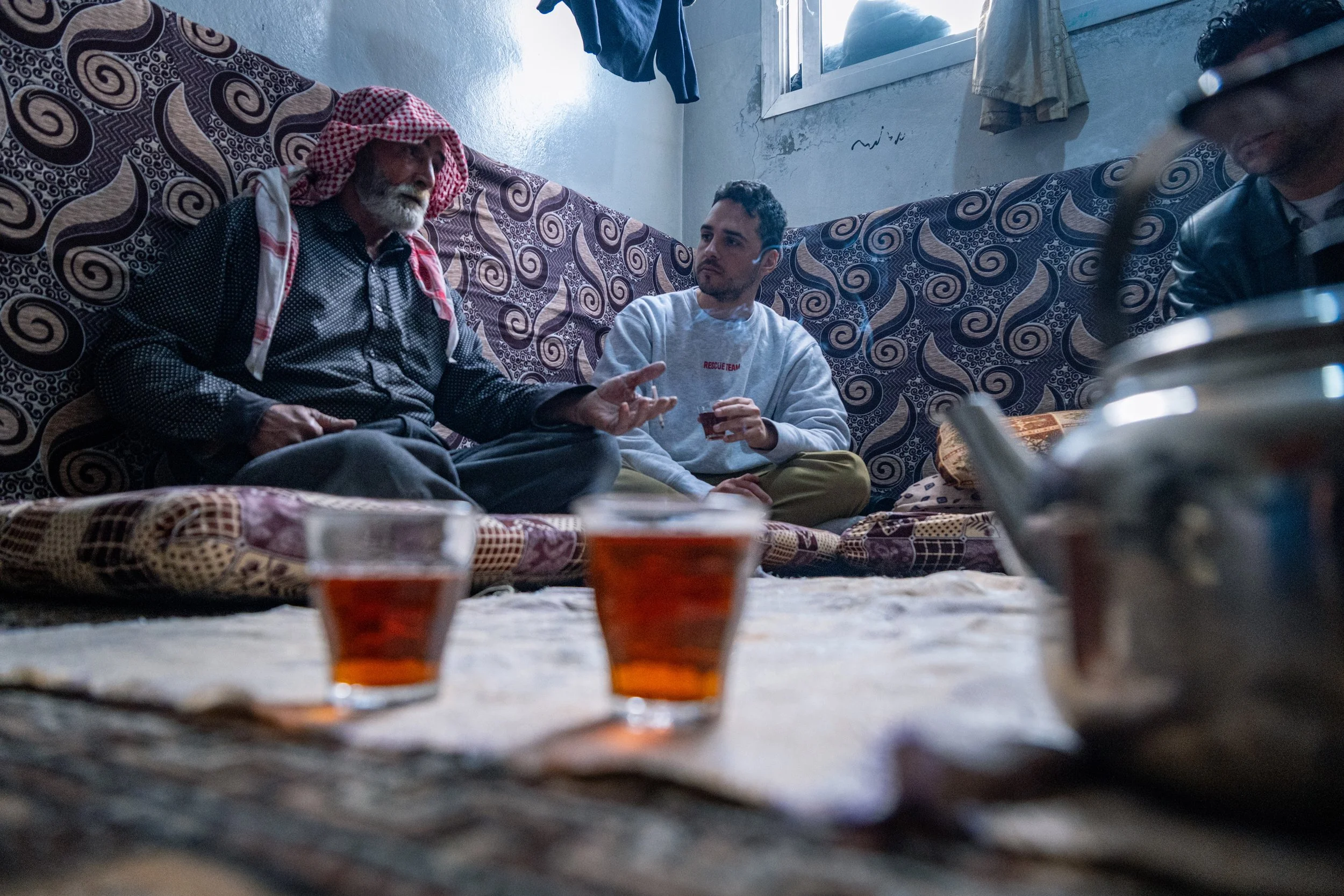
What Is Rojava
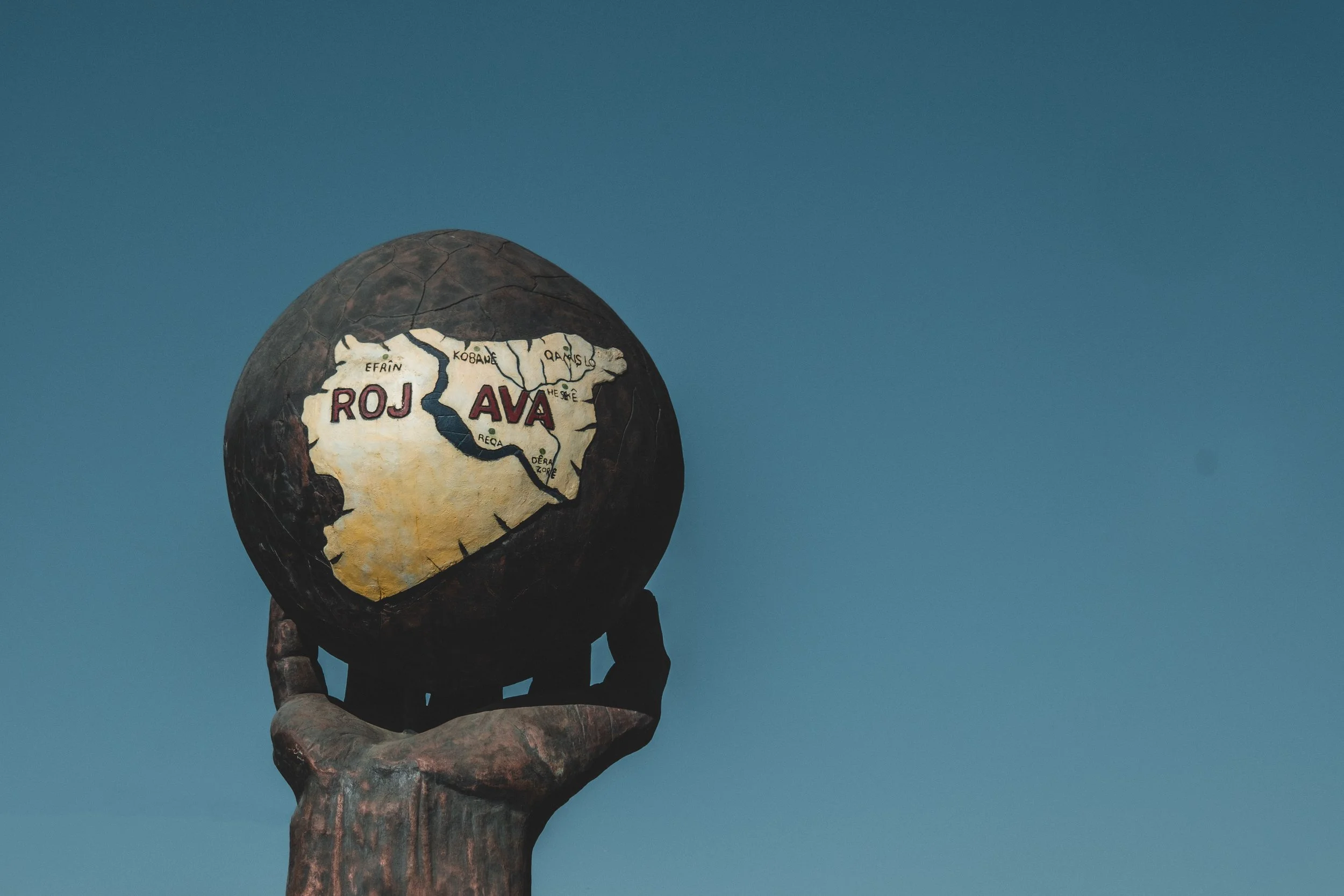
The name in Kurdish means simply "west" — the western part of what Kurds call Kurdistan, a land that doesn't exist on any map but stretches across Syria, Iraq, Turkey, and Iran. Here, in northern Syria, Kurdish communities began organizing into forms of local self-governance during the civil war. It is not a state, not a recognized country: it is a fragile autonomous region, suspended between armies, borders, and geopolitical interests far larger than itself.
If the world's wars were a desert, Rojava would be one of those grains of sand that slip through your fingers while everyone is looking somewhere else.
And yet for the people who live here, that grain of sand is everything.
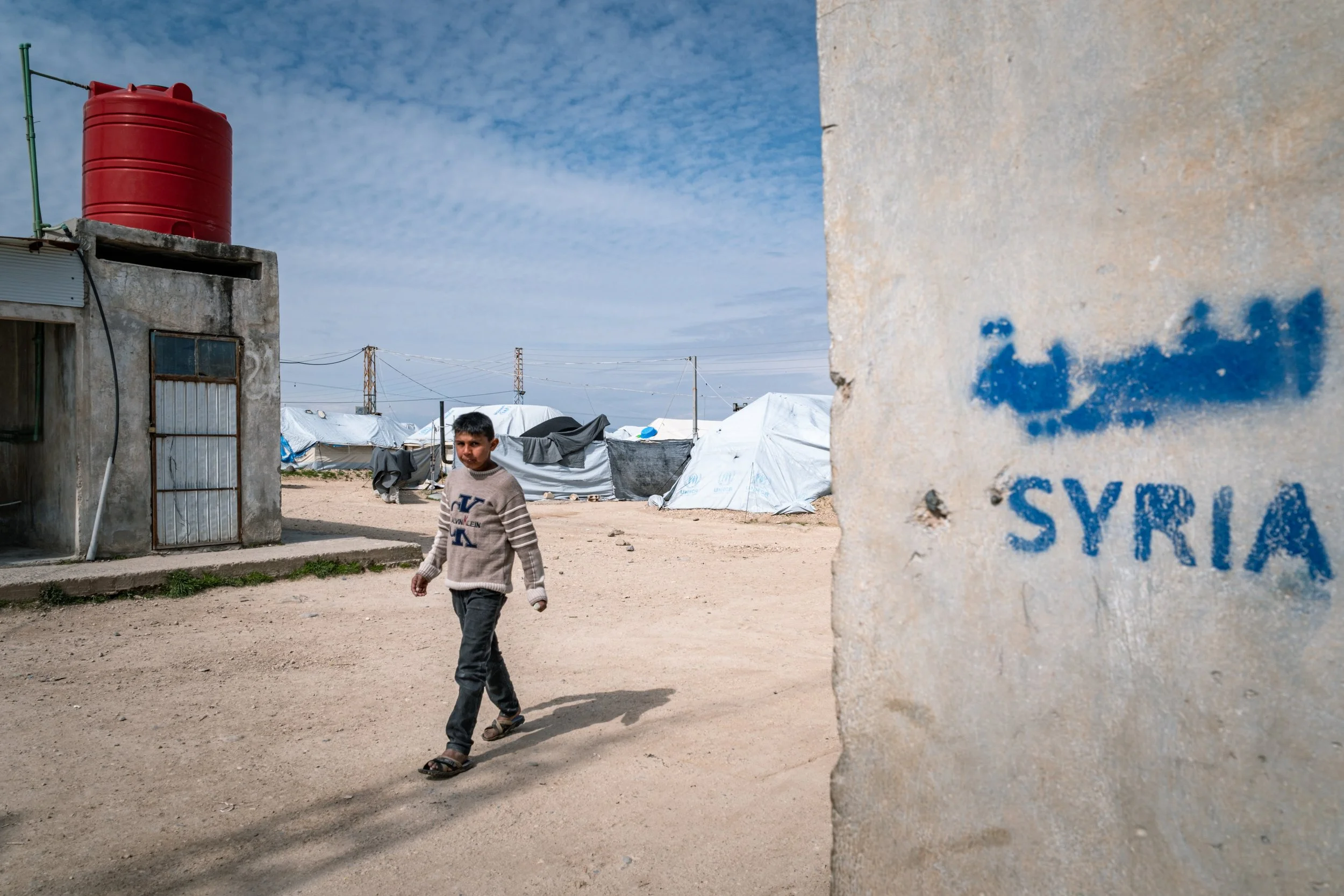
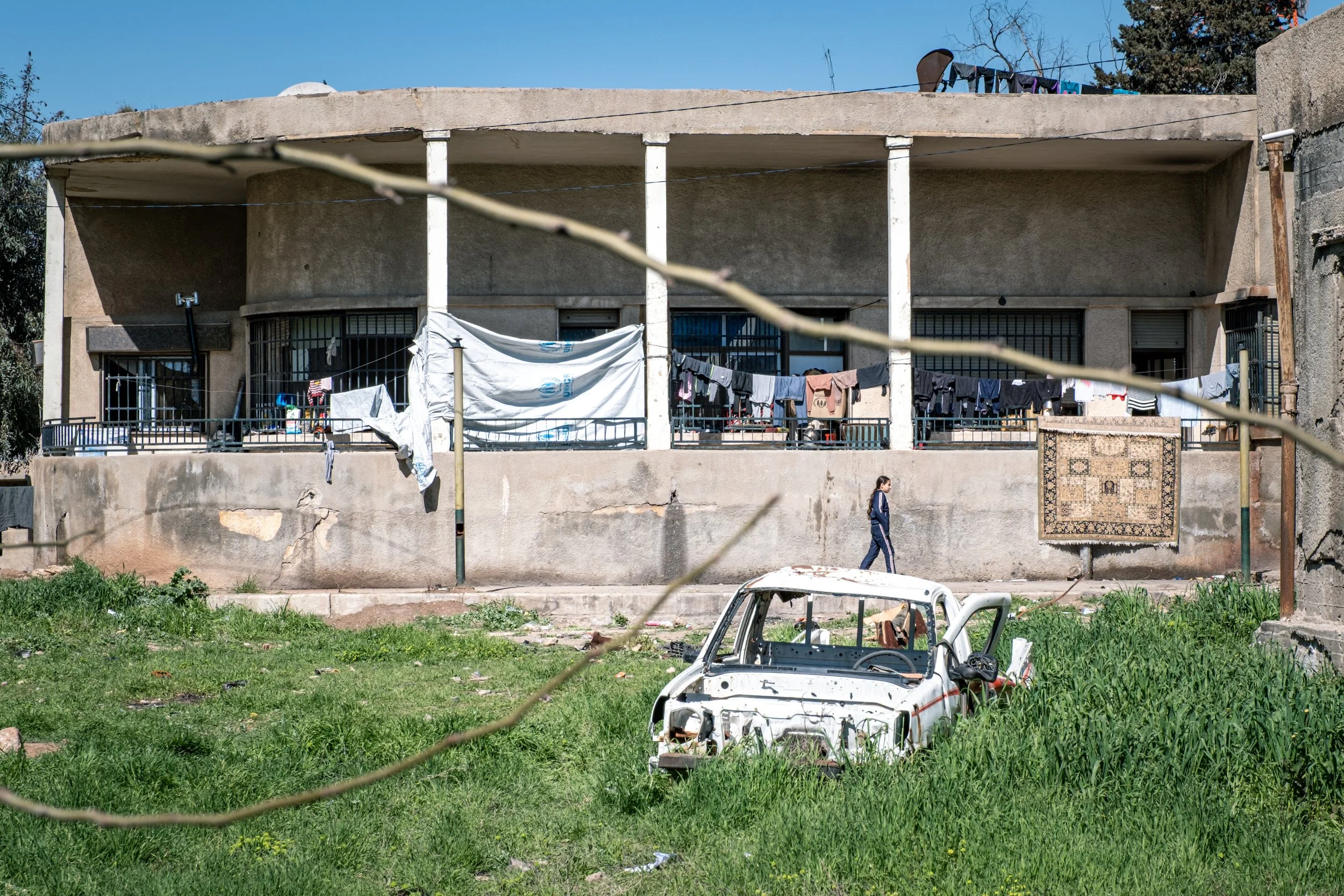
The numbers are always abstract until you see them in person. Dozens of people, sometimes hundreds, crowded into old government buildings that were never designed to house anyone for longer than a few hours. Former administrative offices with their windows blown out, school buildings repurposed into sleeping quarters, concrete structures that were already falling apart before anyone arrived. People have been living in these places for months, sometimes years.
You walk through the corridors and the first thing you notice is how people have tried to make space their own. Curtains hung between one family and the next, a strip of fabric that offers something resembling privacy. Shoes lined up neatly outside a makeshift door. A small shelf with a few objects on it, a phone charger, a photograph, a child's drawing taped to the wall. These small gestures of order in the middle of disorder say something that words cannot quite reach: people do not stop being people just because they have been displaced.
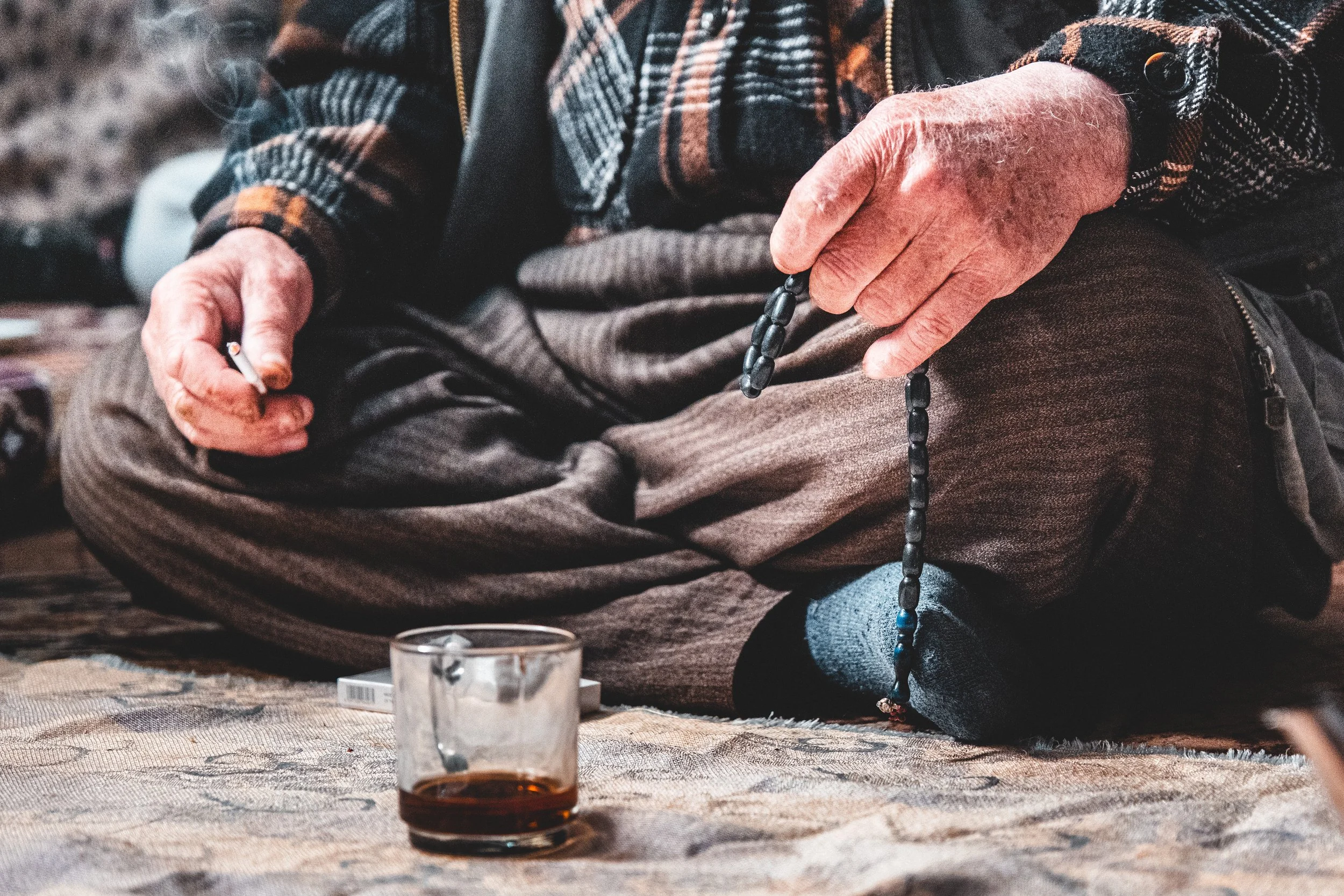
Many of these families survive on a small monthly allowance. Thirteen dollars. The first time you hear that number it seems almost unreal, as if someone had made a mistake in the math. But then you sit with them outside their homes, share tea together, and you understand that this tiny sum is part of their daily reality. In some places the assistance is even more basic: two pieces of bread per day per person. Breakfast, lunch, and dinner combined. Here you understand how thin the line between surviving and going hungry can be.
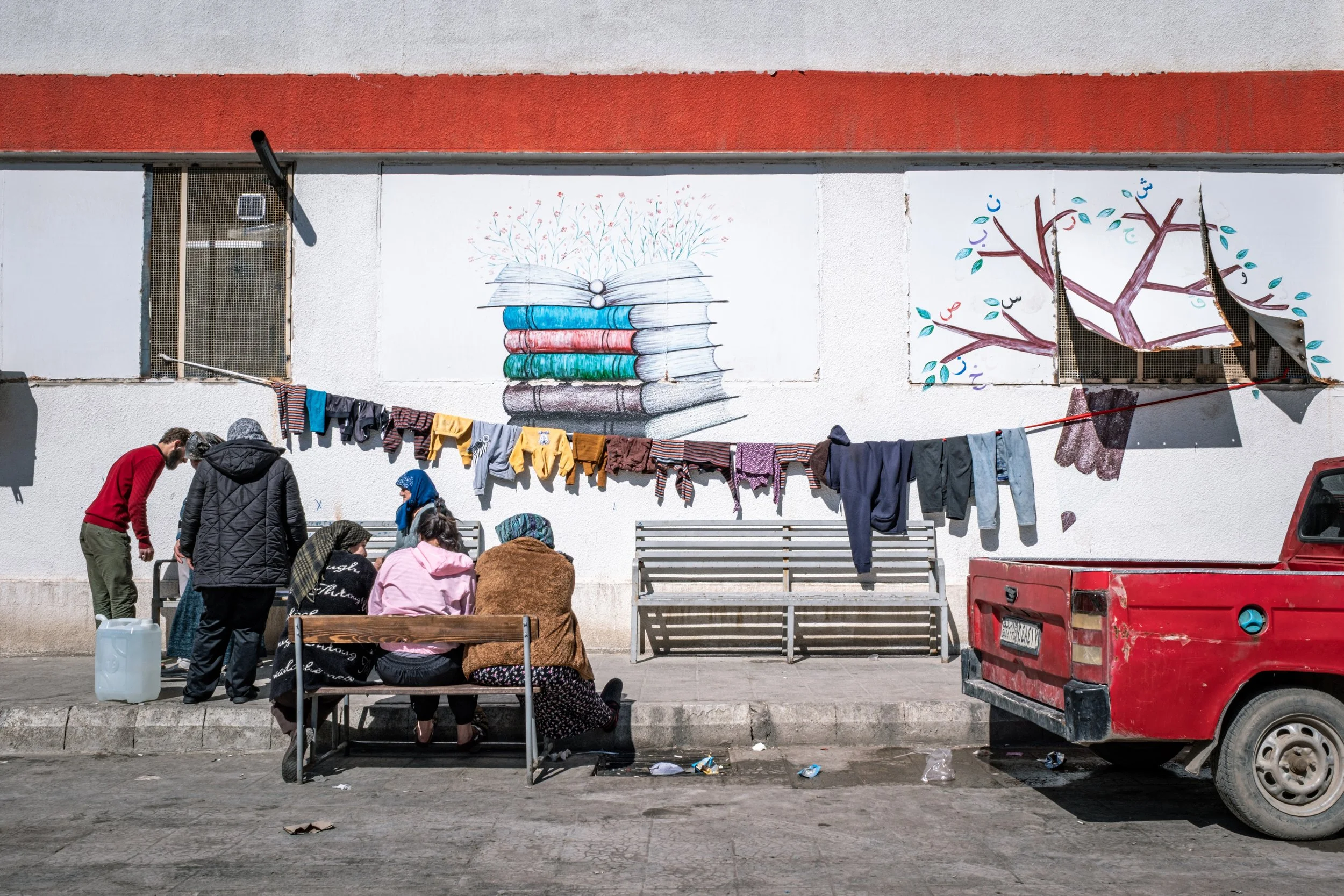
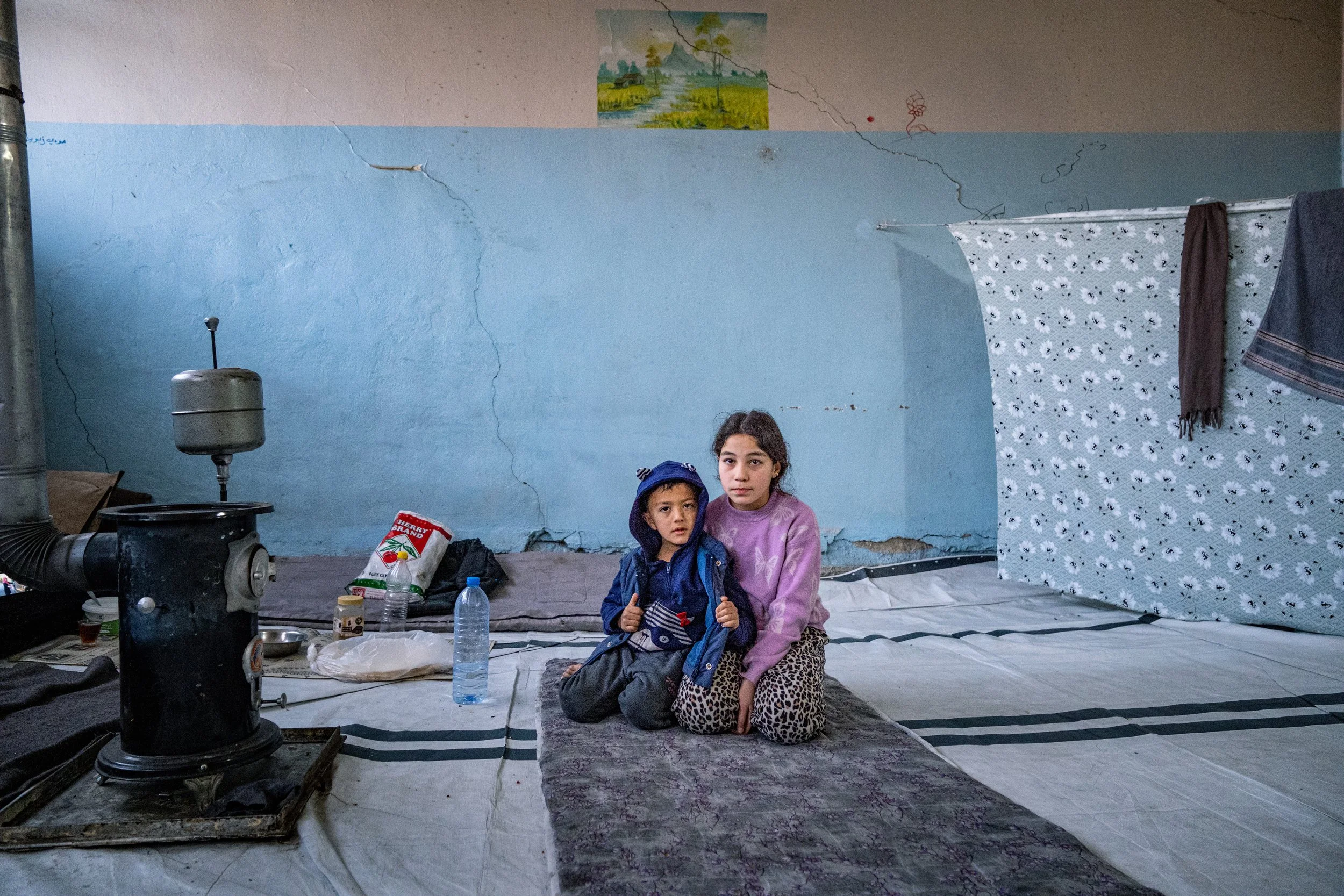
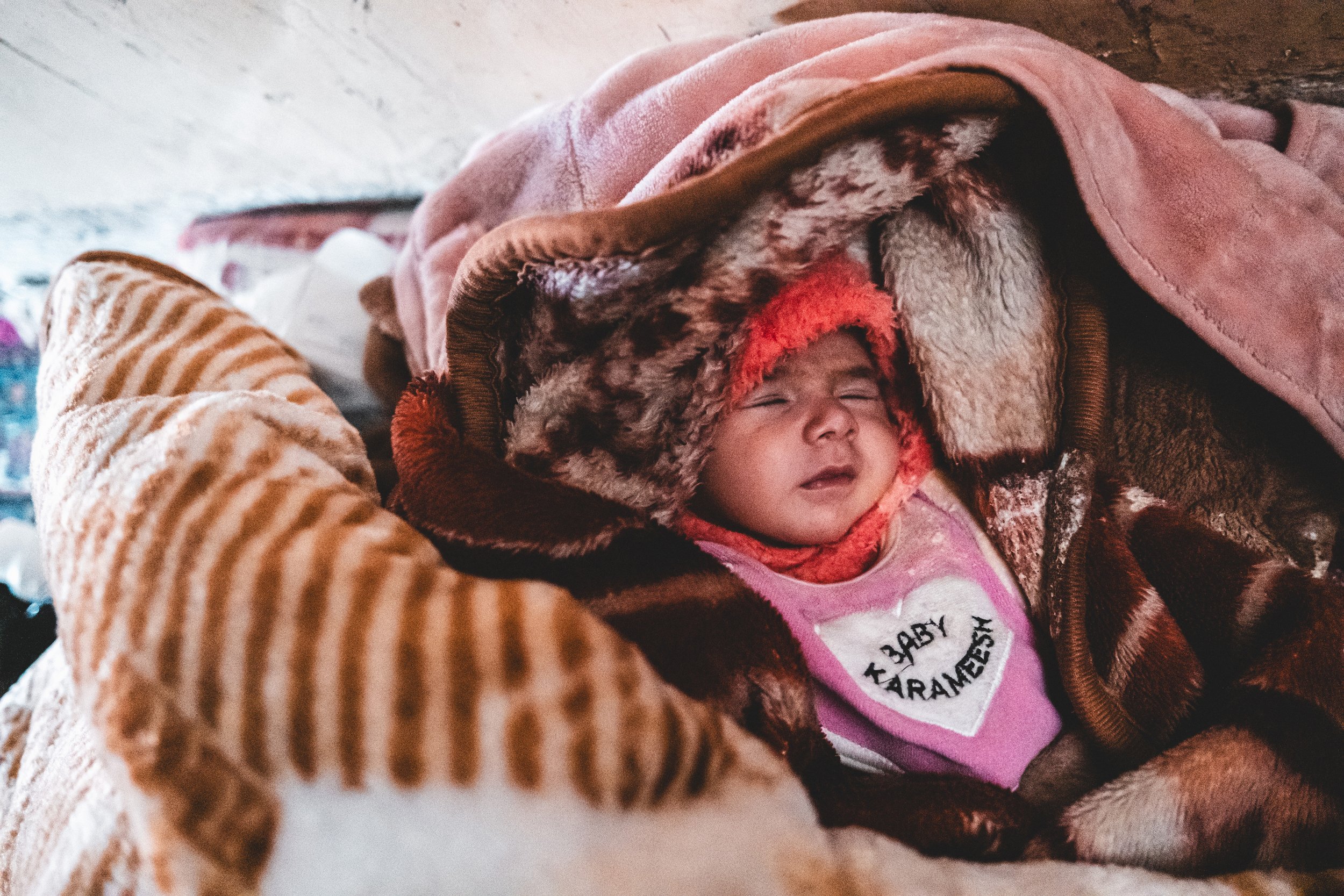
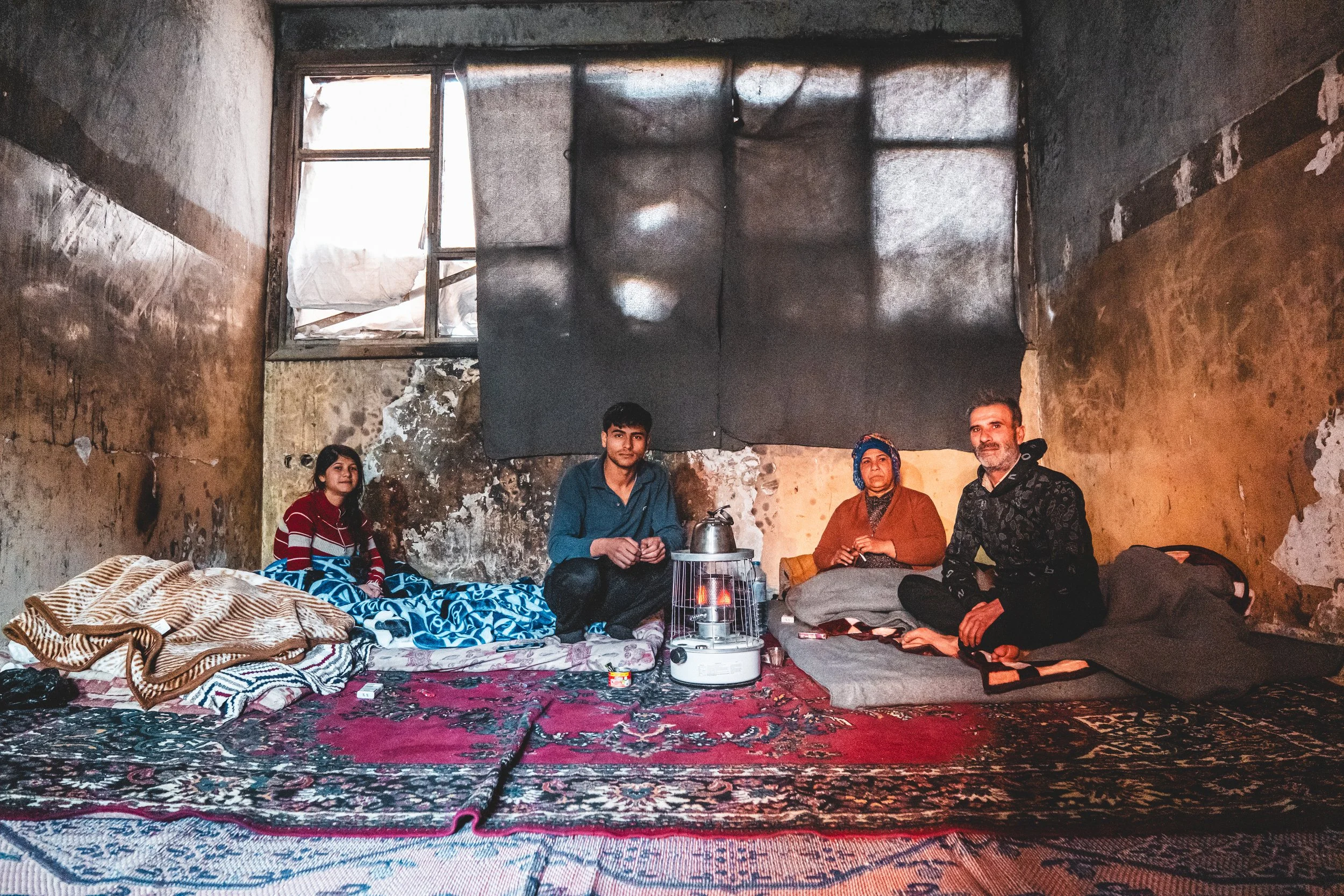
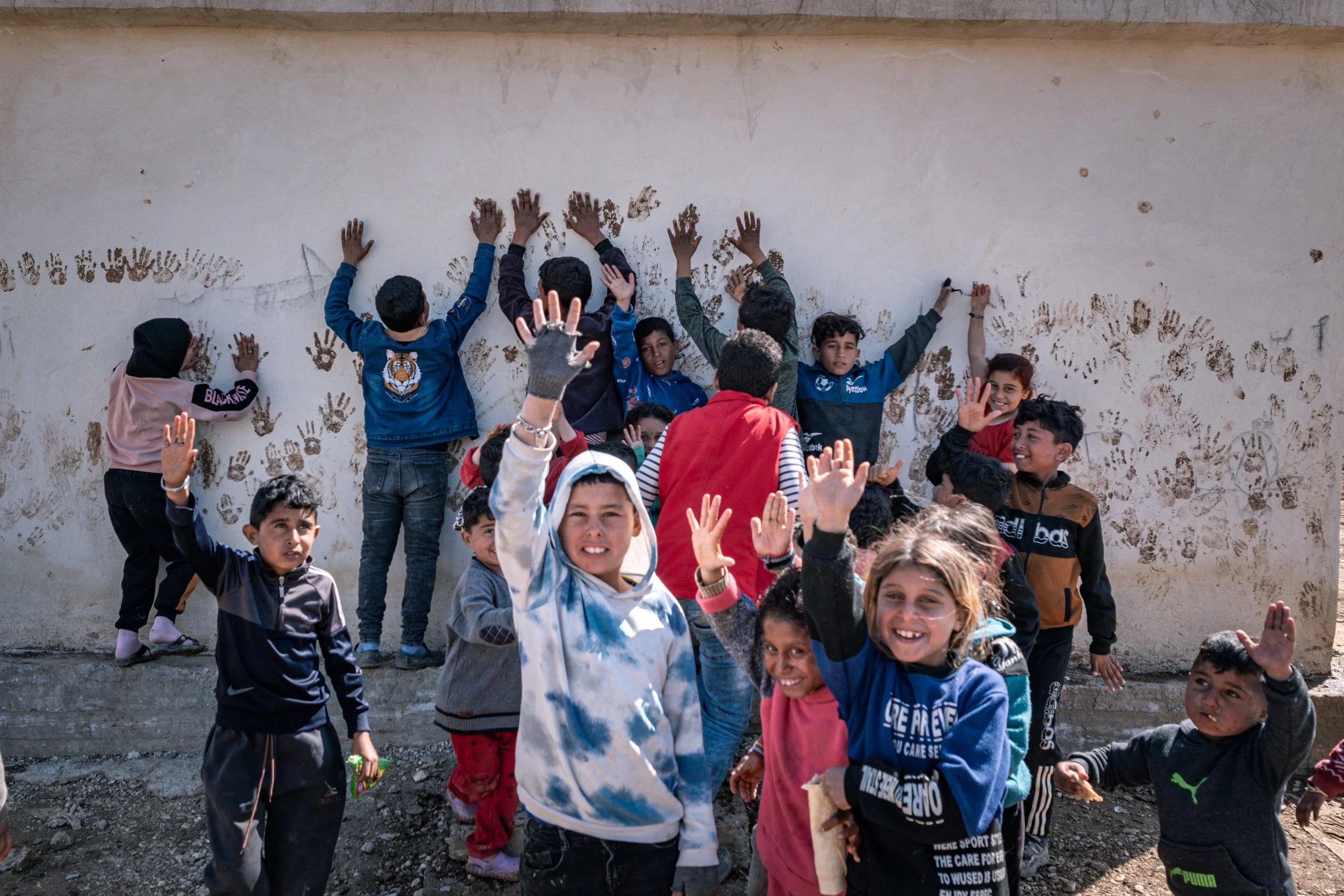
The refugee camps are different. If the buildings feel improvised, the camps feel permanent in a way that is almost more unsettling. They have the structure of small cities, lanes between tents and prefab containers, a spot where women gather in the mornings, a patch of ground where the older men sit in the afternoons. Children have grown up here. Some of them have never known anything else. They were born into this suspension, into this in-between state that was supposed to be temporary and has instead become the only life they know.
There is a particular quality to time in these places. Everything seems to be waiting. Waiting for news, waiting for documents, waiting for a decision made by someone far away who will never visit. People describe their days with a kind of exhausted patience — they wake up, they eat whatever there is, they look after the children, they wait. Not passively, not without anger. But with the quiet endurance of people who have learned that there is no other choice.
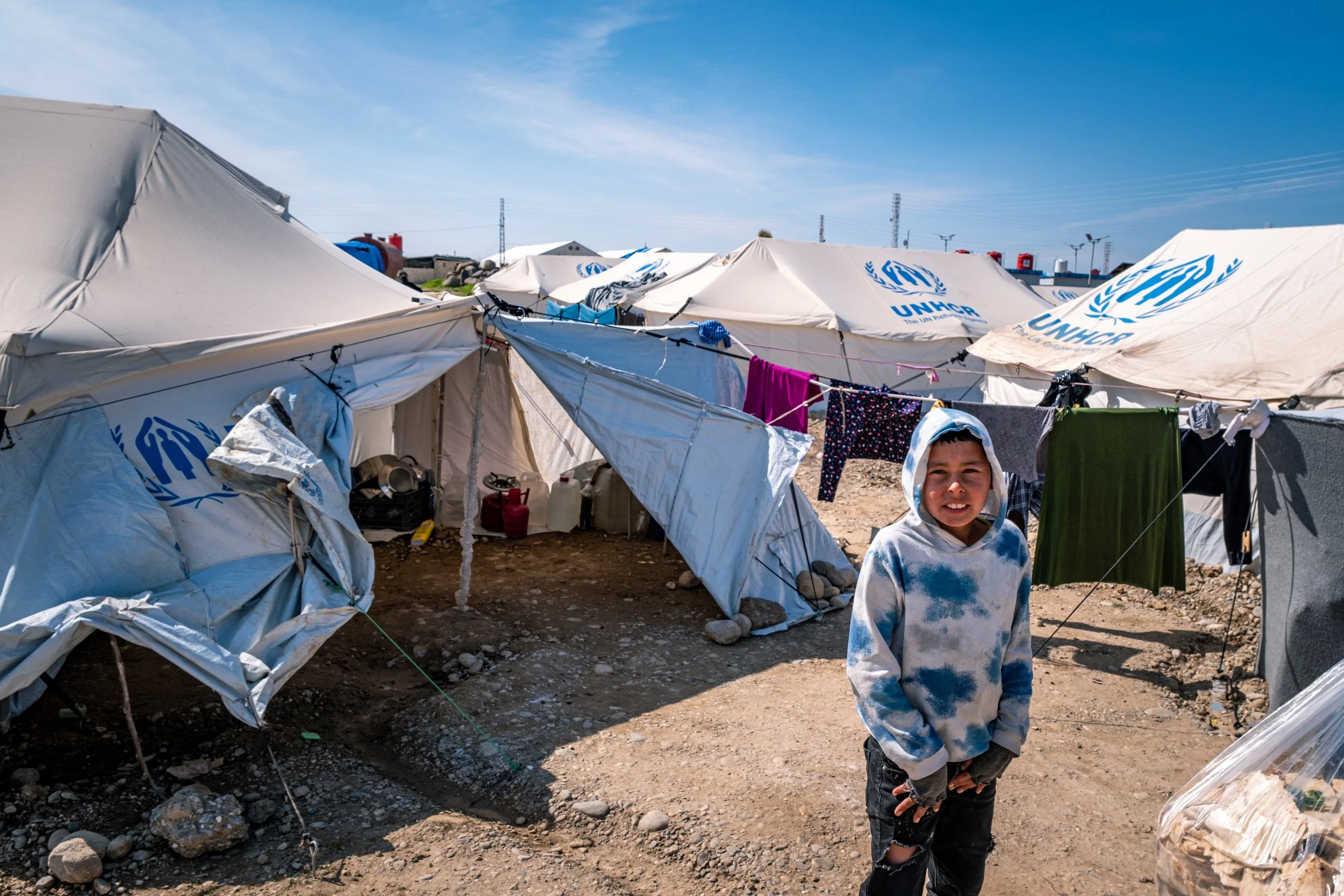
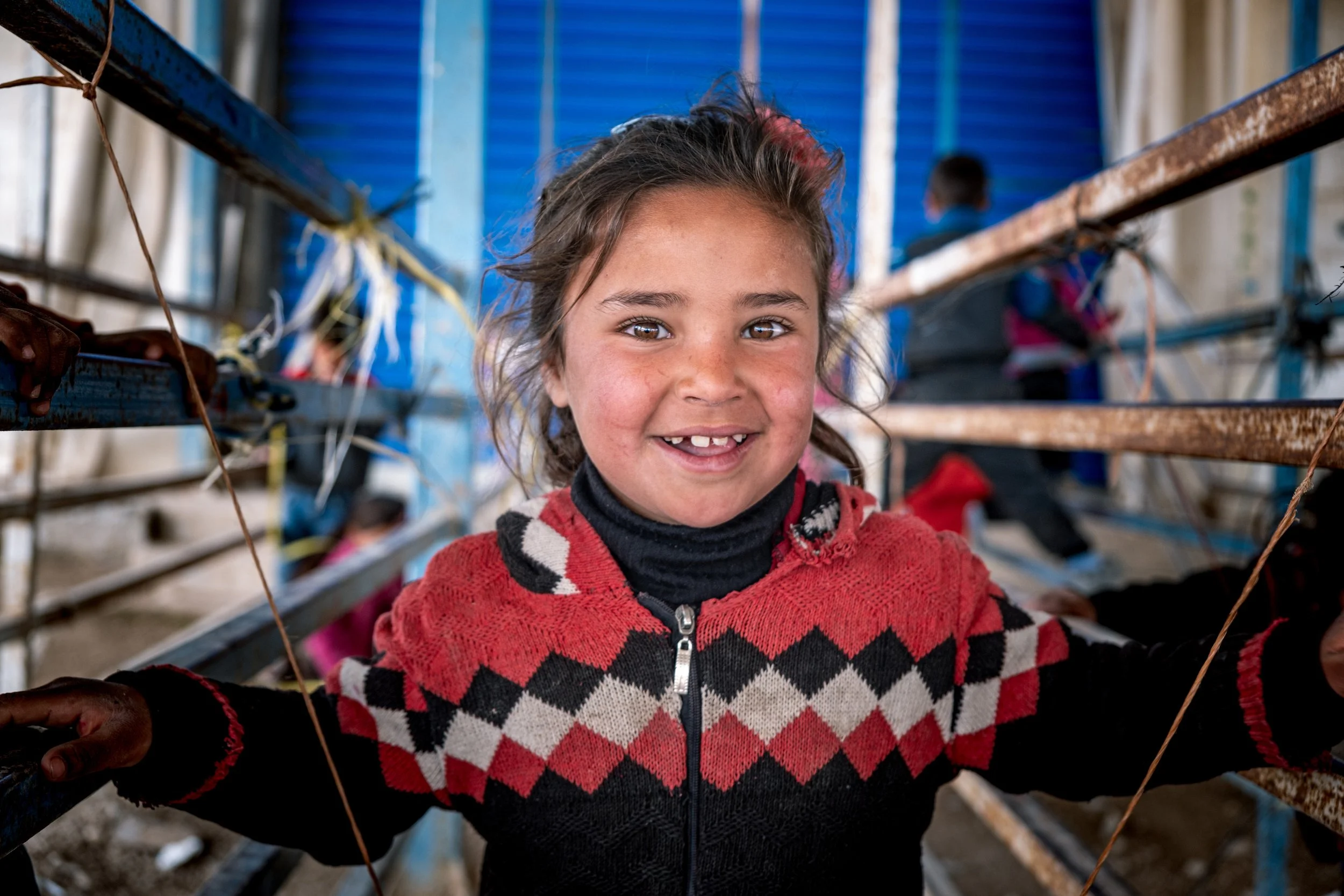
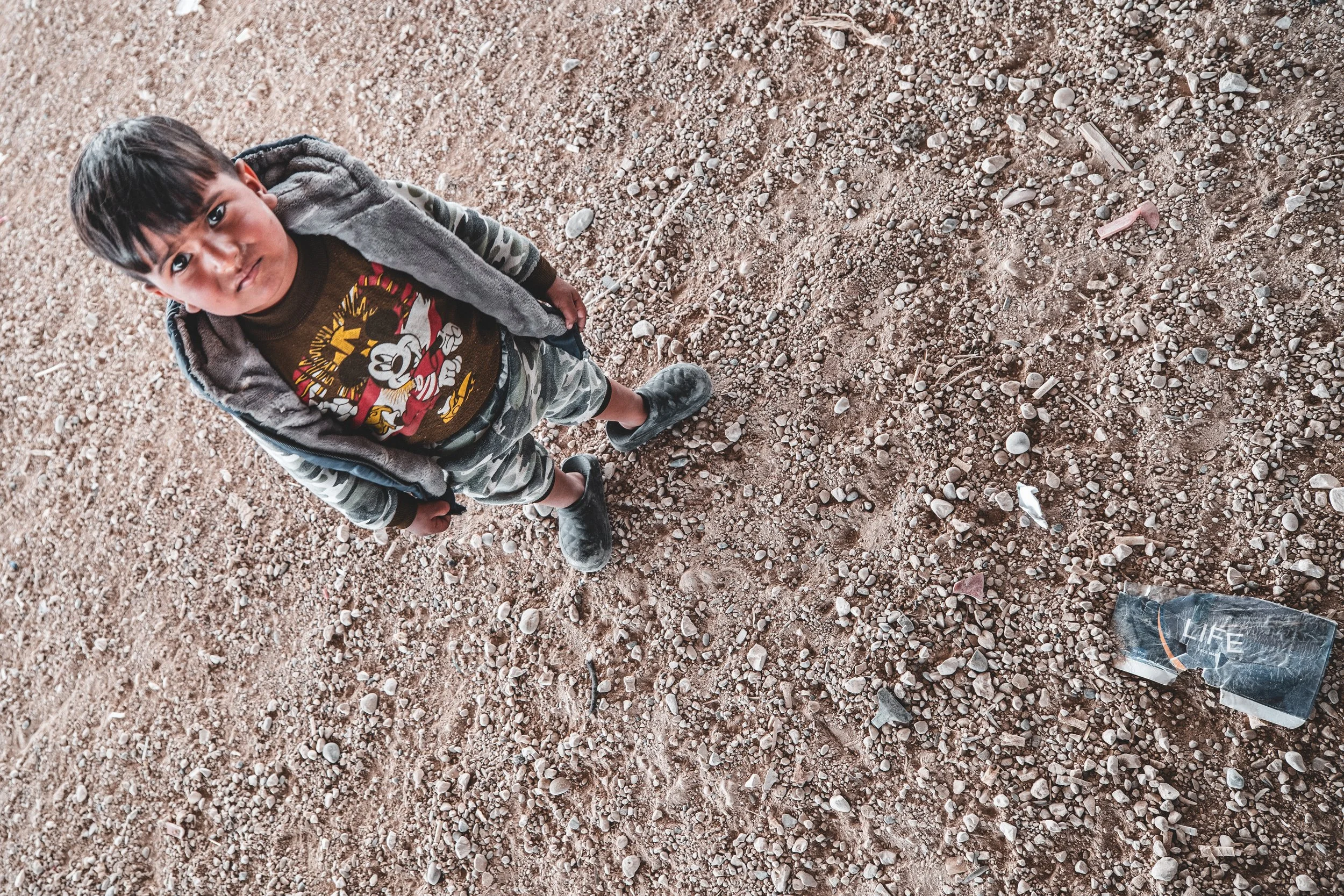
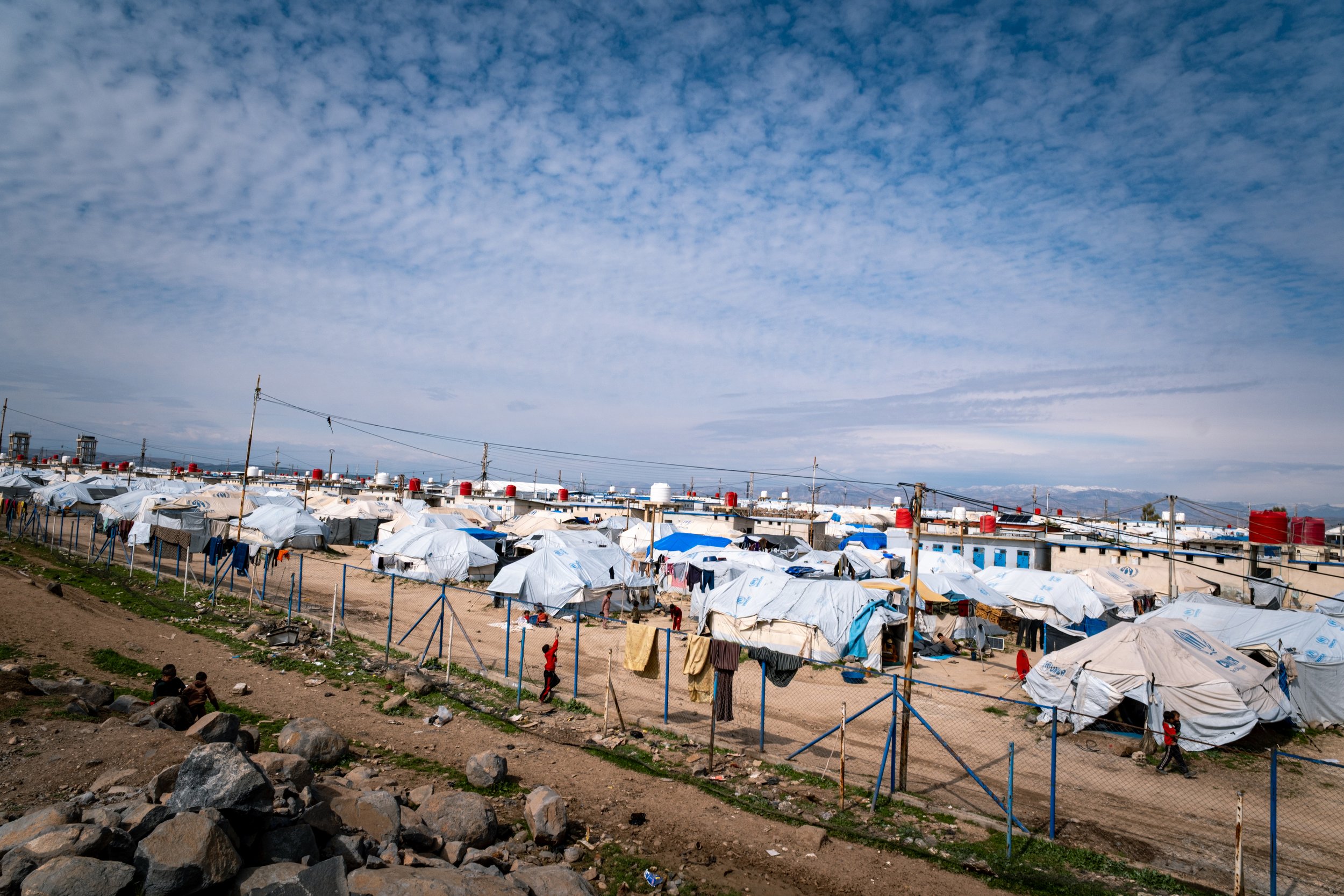
A father tells us they left Afrin in the middle of the night, not because they wanted to leave, but because staying was no longer possible. He says it calmly, almost in a whisper, as if he were recounting a fact rather than a trauma. There is a particular kind of silence when people tell these stories. It is not dramatic, not theatrical. It is simply the voice of someone who has learned to keep living after something very hard.
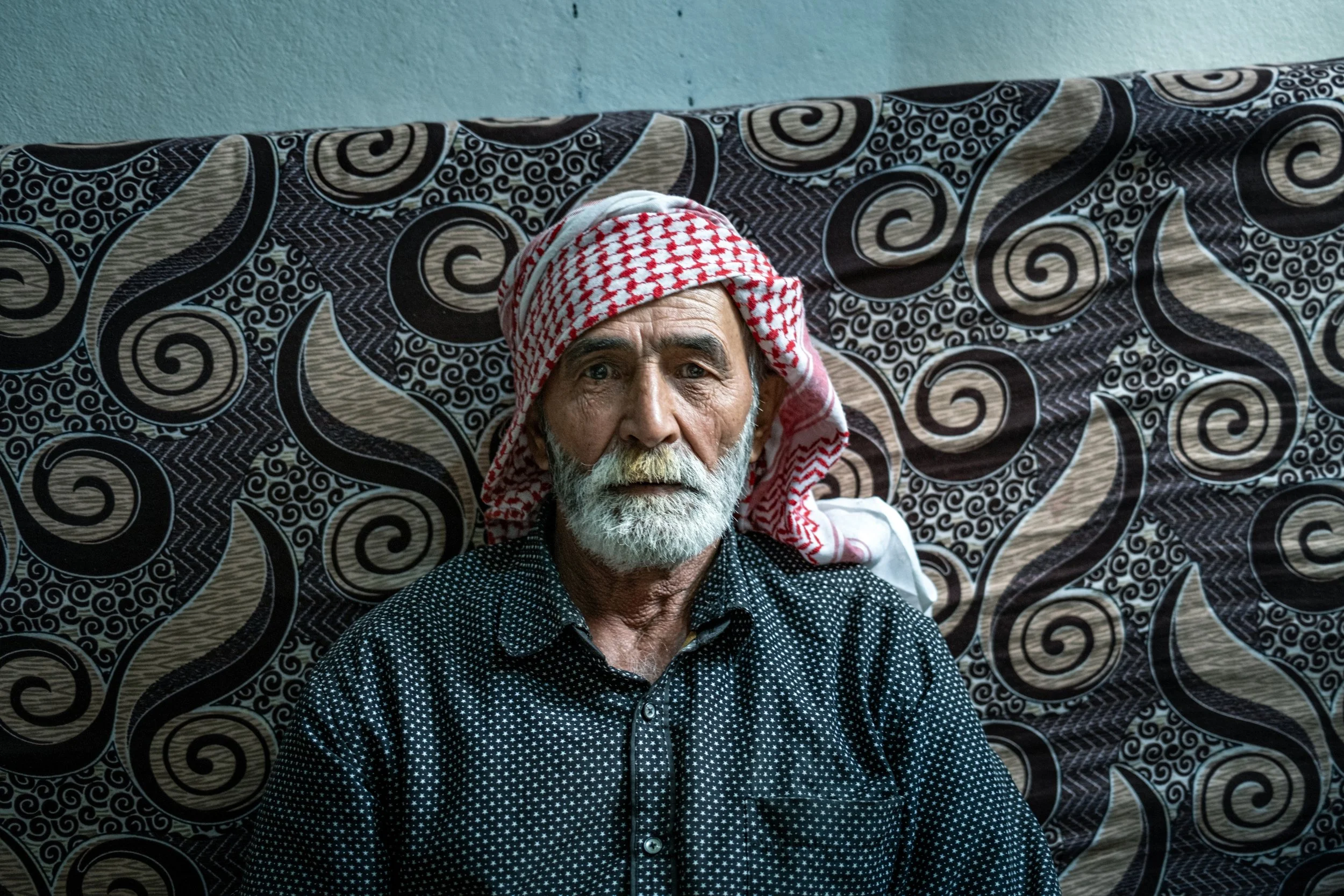
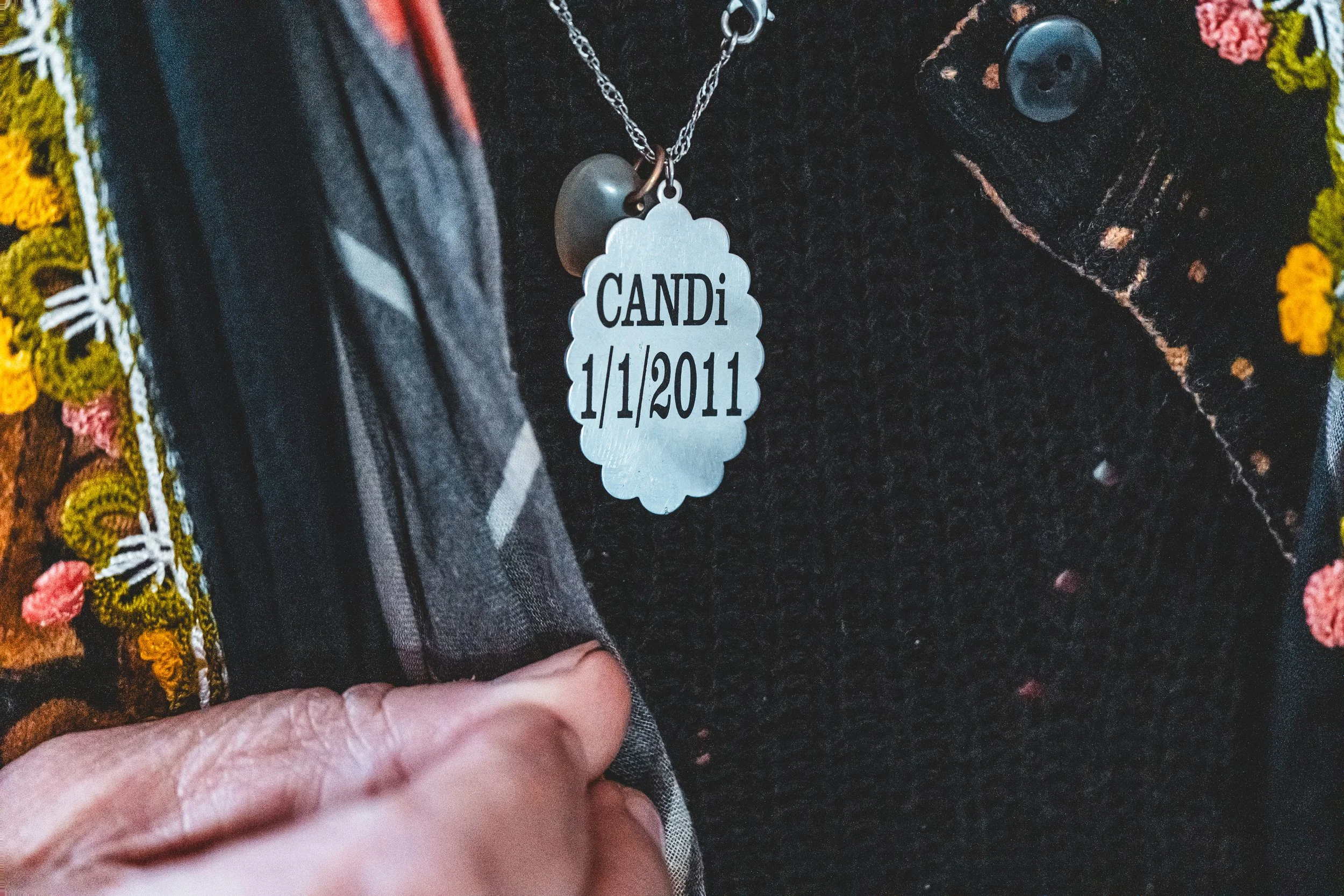
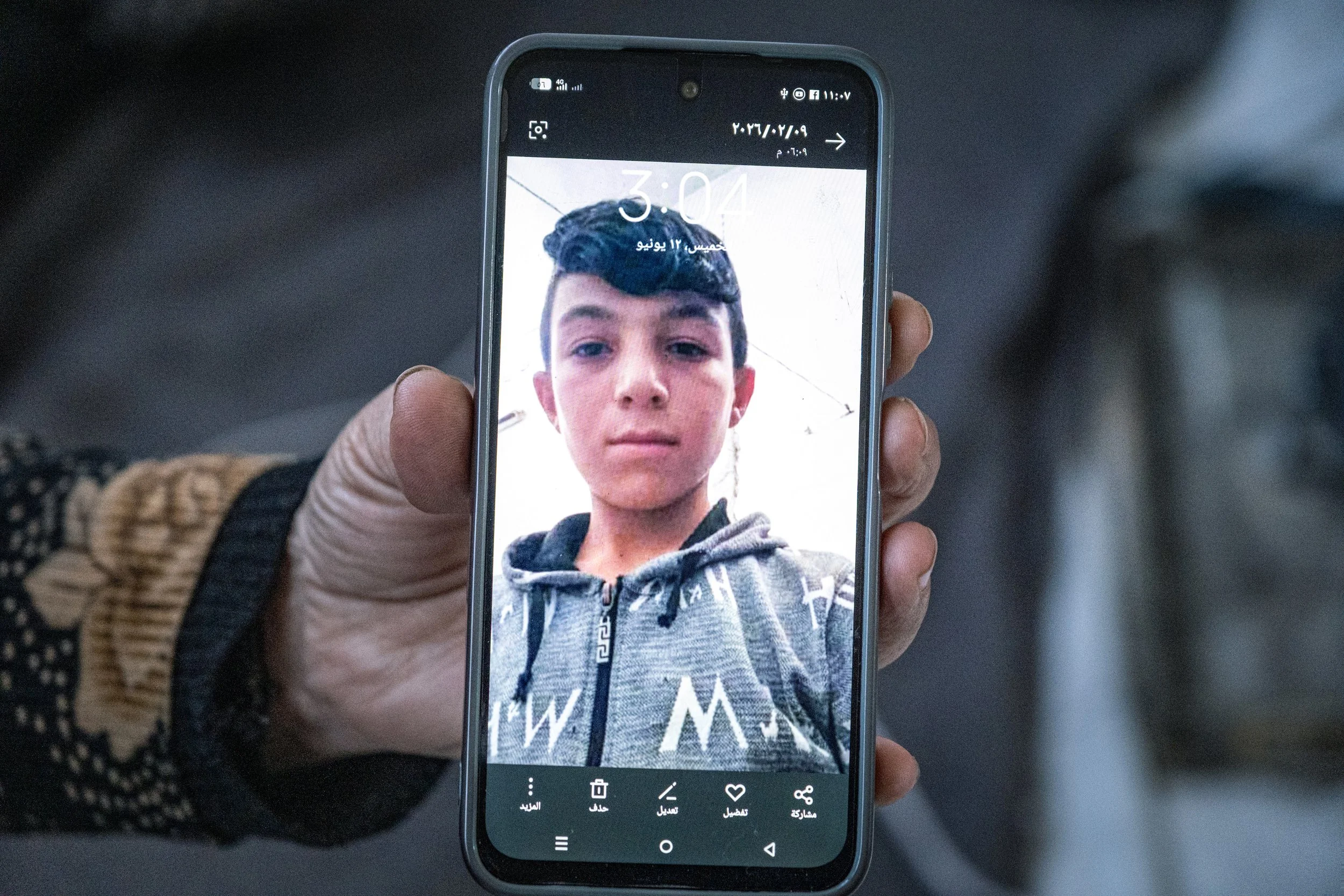
A woman shows us a necklace with her son's name on it. She holds it between her fingers for a moment before lifting it toward us, as if the gesture itself needed courage. She lost him while they were fleeing, in the chaos of the night, the noise, the crowd moving in one direction and people getting separated without understanding how. She has looked for him since then. She doesn't know which city he might be in, whether someone took him in, whether he is still moving from place to place the way she is. She doesn't even know if he is still alive. .
For an humanitarian organization, missions like this one are about understanding what can actually be done, not in theory, but in the daily reality of the people living here. Because this is one of those forgotten wars. It is no longer sexy enough to make the front pages, no longer carries the media urgency it had a few years ago. The world changed the channel, and the conflict stayed, only quieter, more invisible, harder to tell to people who no longer want to hear it. The cameras moved elsewhere, the headlines moved on, and life here continued regardless, with or without anyone watching. The suffering didn't stop because it dropped out of the news cycle. It just became lonelier.
There is something strange about documenting a crisis the world has already filed away. You take notes, ask questions, write numbers on a page, and all the while you realise that the most important thing is not what you are writing down but the simple fact of being there. Of looking into the eyes of a woman holding a necklace with her son's name on it. Of listening to a father talk about his land as if it were a part of his own body. Of sitting in a place that for many people no longer exists, or never existed quite enough.
Doing an assessment means this too: arriving in a place the world has stopped looking at, sitting down, and starting to listen again. Not because a report will change everything. But because disappearing entirely would be worse.