Easter in the east
“Христос воскрес.”
Jesus is risen.
That’s how they say it here in Ukraine.
Today is Easter.
I am in Kharkiv, in a church I have come to know and return to since 2023, when I first arrived in this City that is roughly thirty kilometers from the nearest front line, and about the same distance from the Russian border.
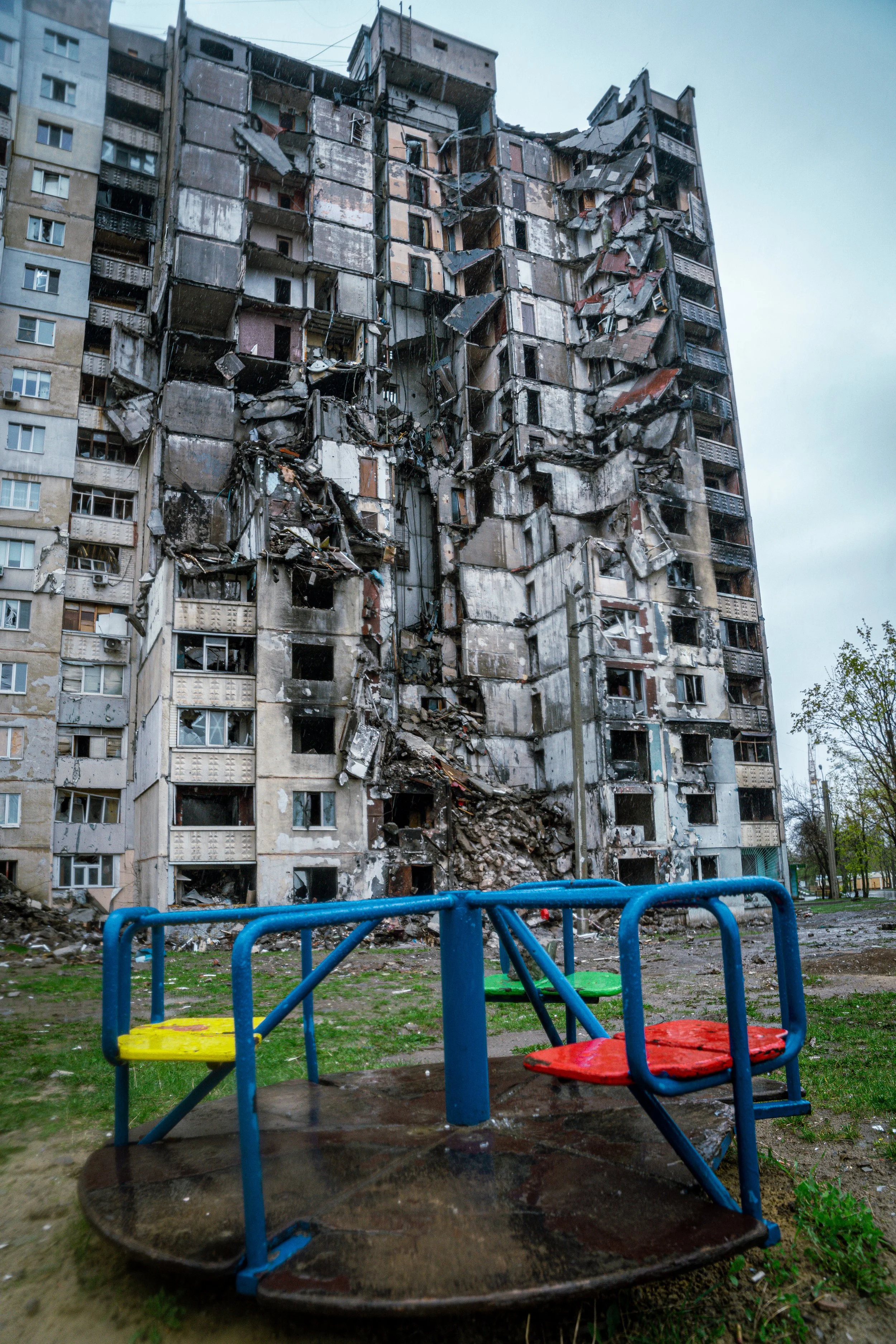
Kharkiv has lived through the first days of the full-scale invasion under direct assault. Russian forces pushed to the outskirts, trying to take the city quickly. They failed, but the attempt never really ended. The front moved, the city held, but the attacks did not stop. Shelling, missiles, drones. What could not be taken was, and still is, hit from a distance.
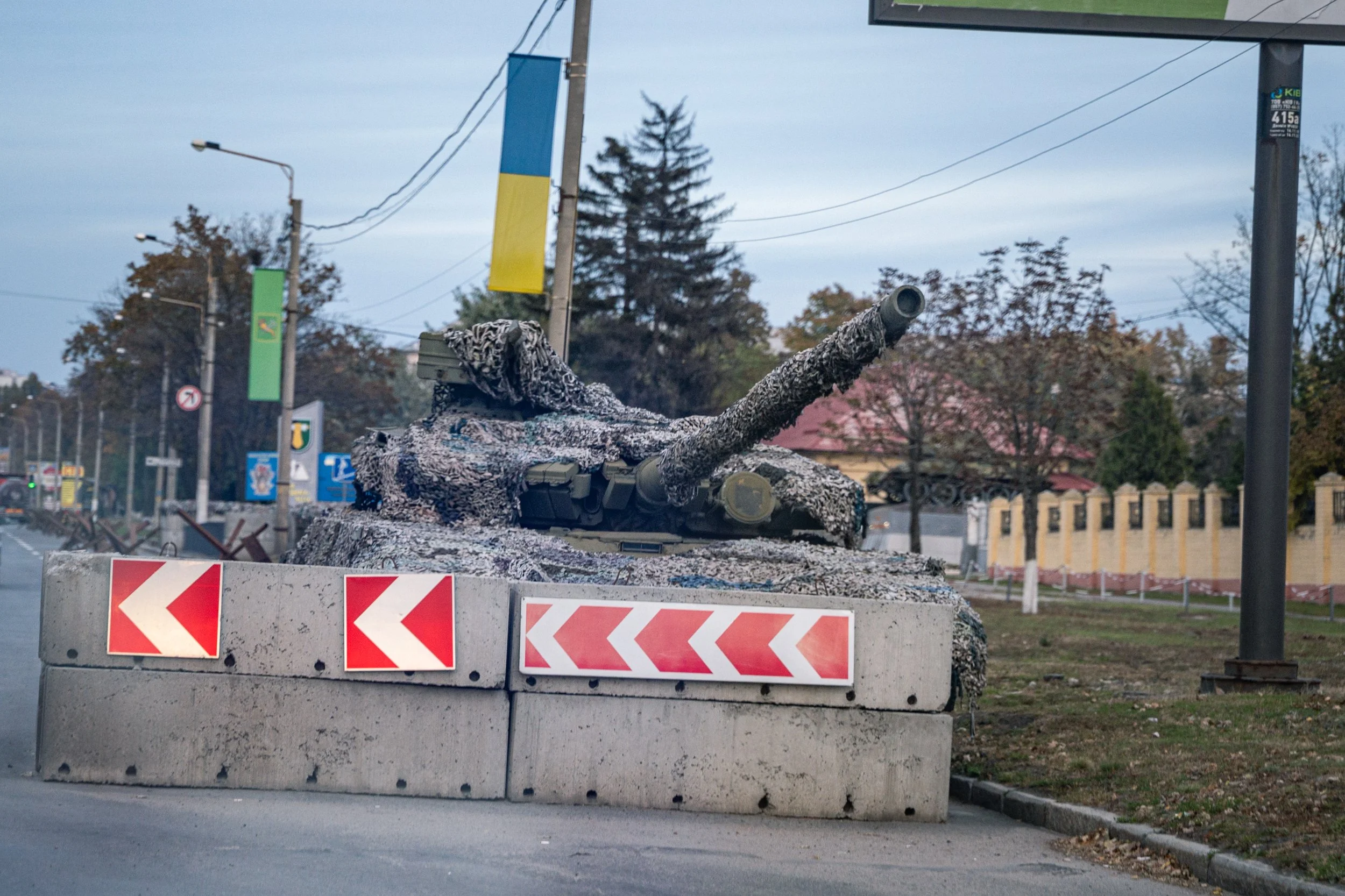
Instead of bells, this Easter you hear something else. The air-raid siren. It is not loud enough to stop what is happening, but it is too familiar to be ignored. After four years, it is no longer an extraordinary signal. It has become the soundtrack.
And within that soundtrack, Easter happens anyway.
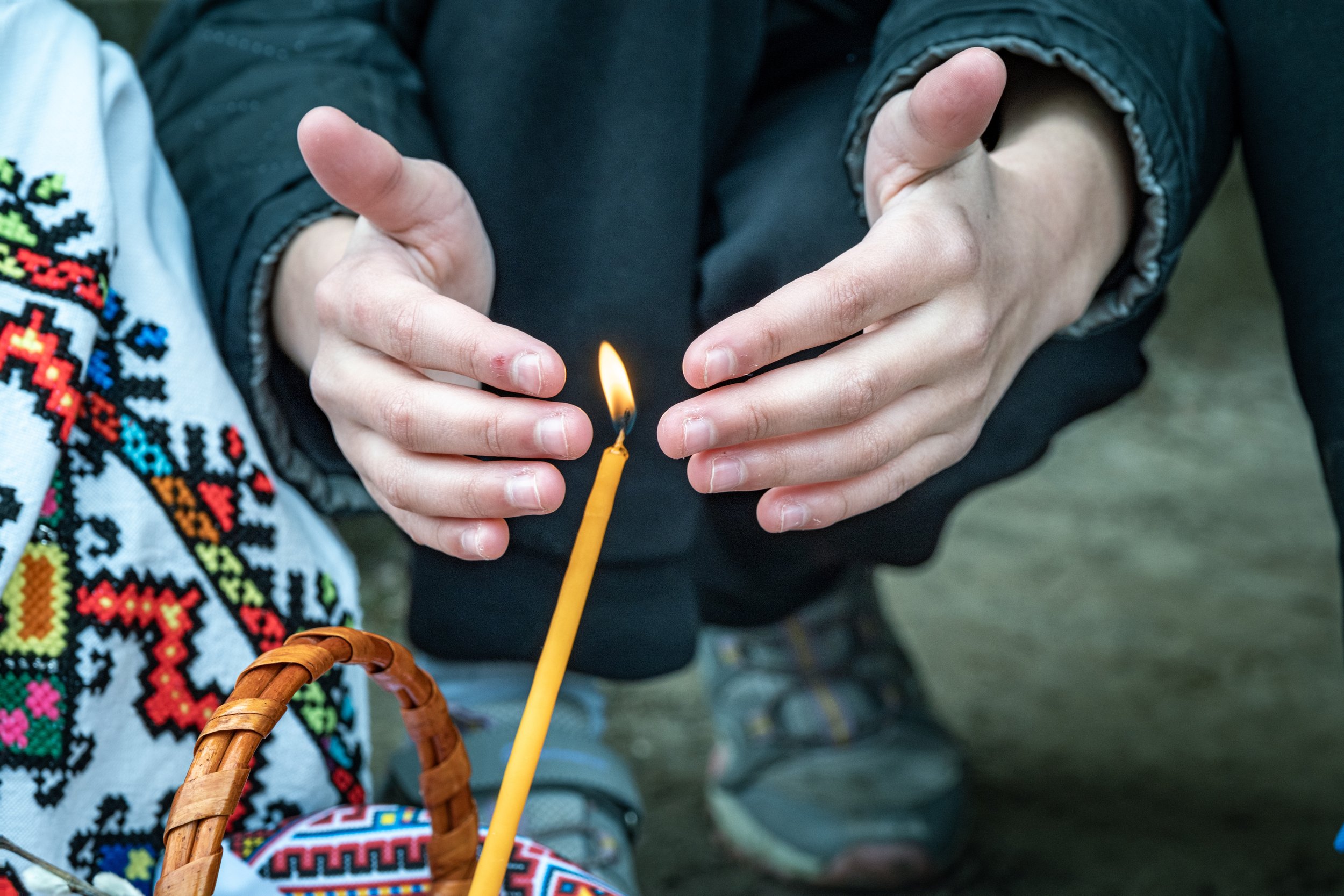
People arrive with their baskets, standing next to each other without really needing to organize themselves, forming an uneven line made more of presence than order. They don’t speak much, but they stay together. It is a form of closeness that doesn’t need explanation, built simply by sharing the same space while something above keeps reminding you that it might not be safe to do so, that at any moment the ordinary can break.
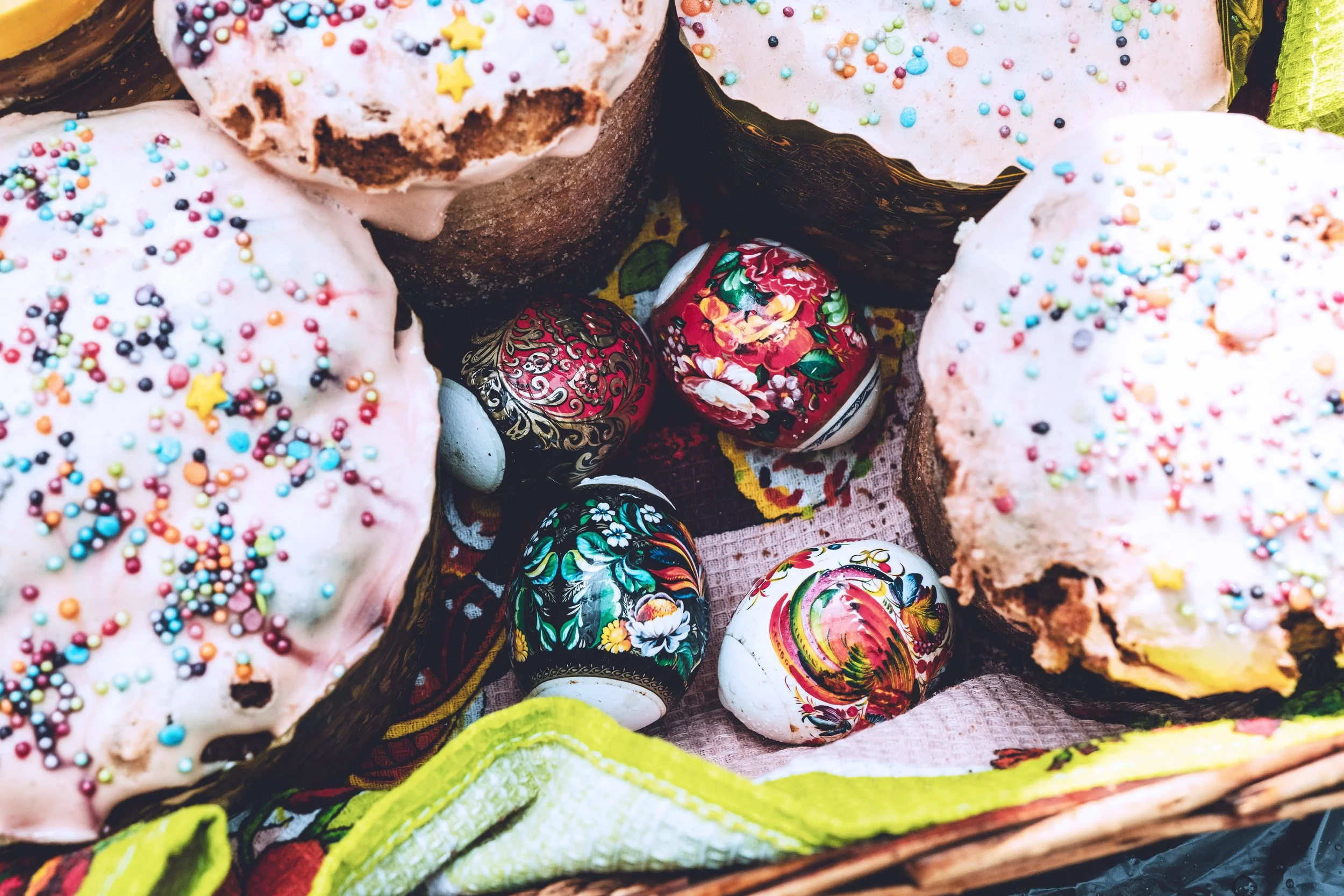
The baskets are placed on the ground, one next to the other. Inside are the things tradition requires: braided bread, paska, tall and sweet, made with eggs and butter; meat, cheese, salt. And then the eggs, decorated with a care that might seem out of place, but is exactly the opposite. Bringing them here, in front of the priest, is not symbolic in a vague sense. It is asking for the food of the feast to be blessed before being taken home. It is making sure that the meal of the most important day of the year begins here, in this moment, in this place. A continuity between the sacred and the everyday that, in Ukraine, has never been broken. Not even now.
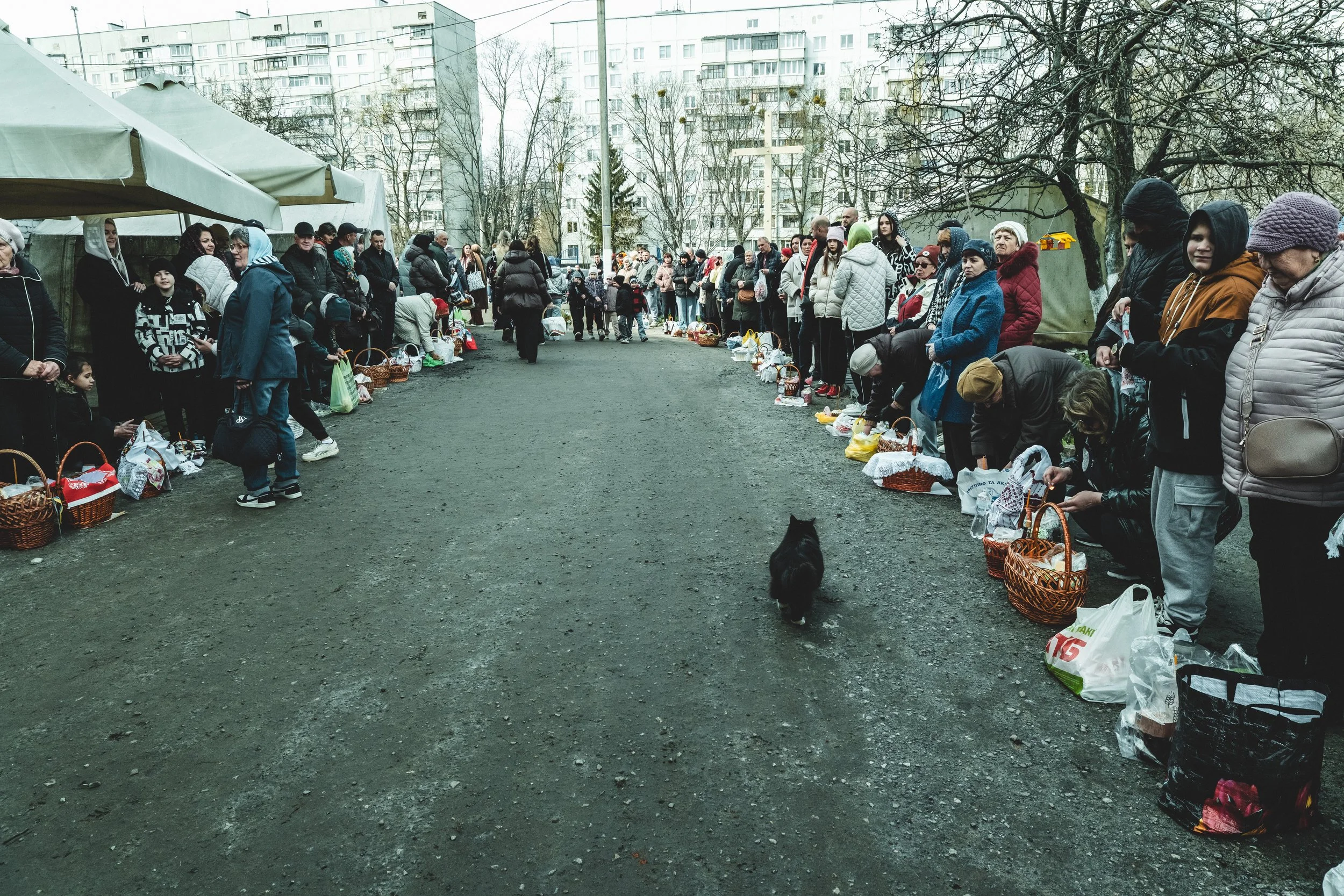
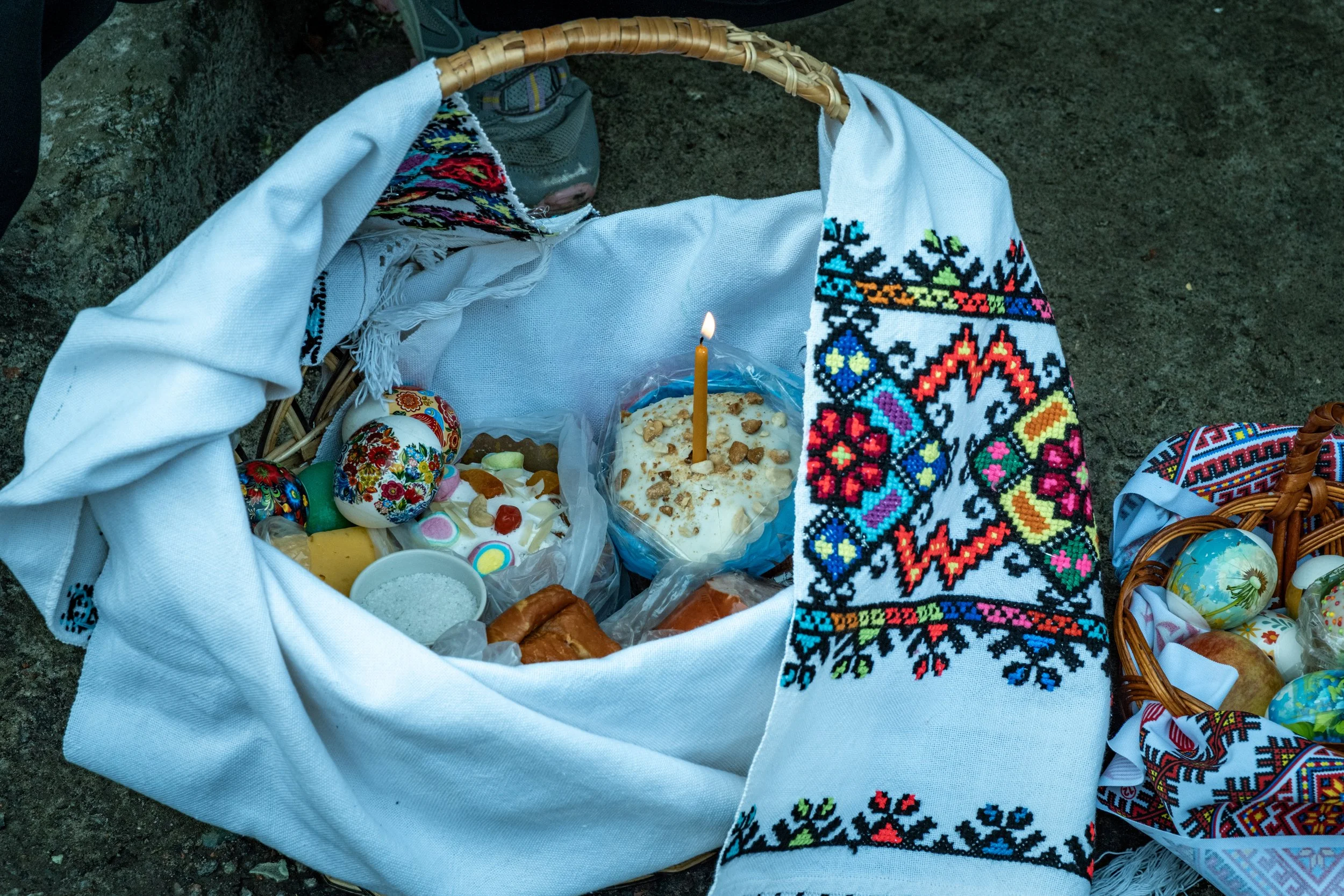
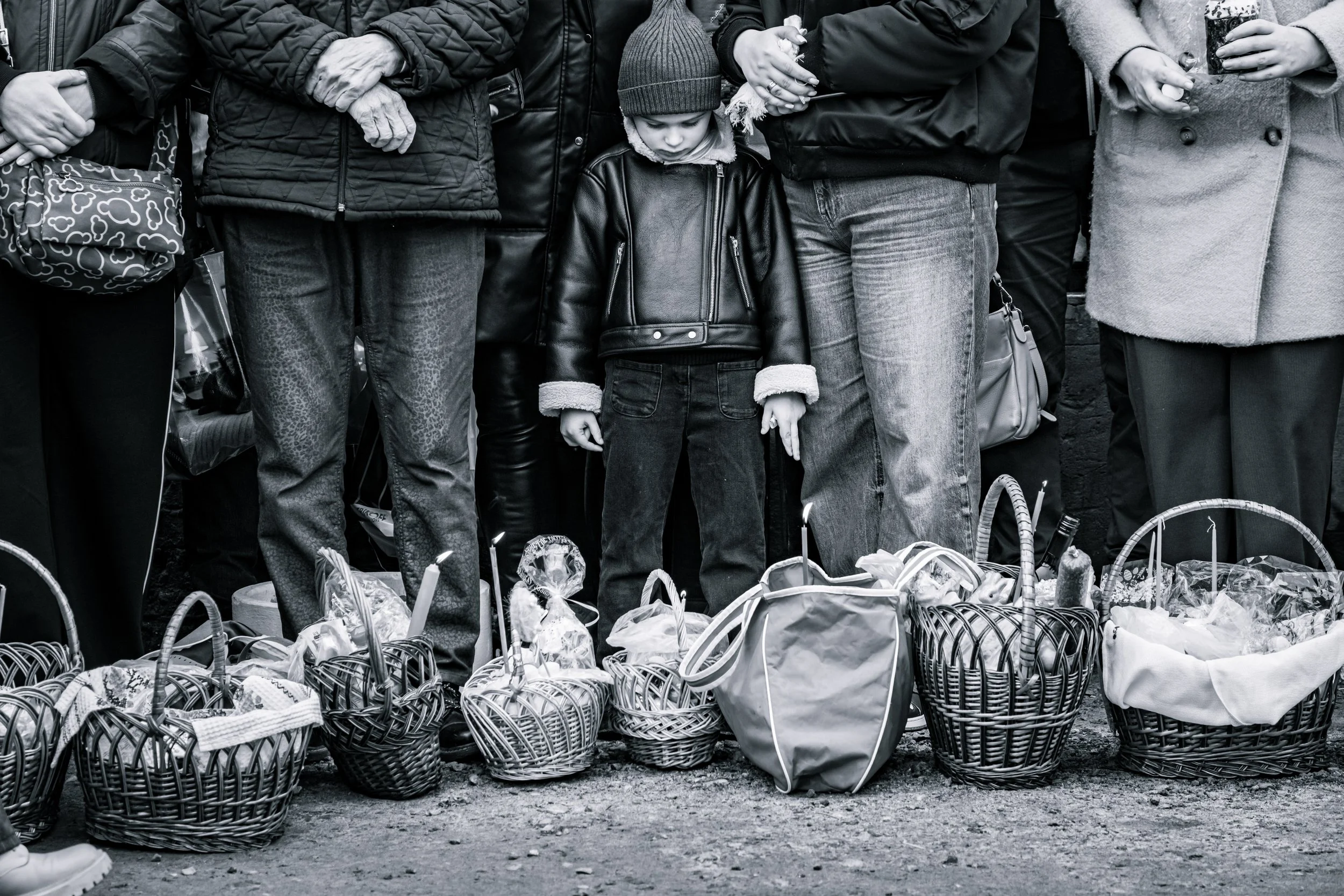
The priest speaks, his voice filling the space, but I don’t understand the words. I don’t understand the language, I don’t follow the meaning of the sentences. And yet it doesn’t matter.
Because I look at the people.
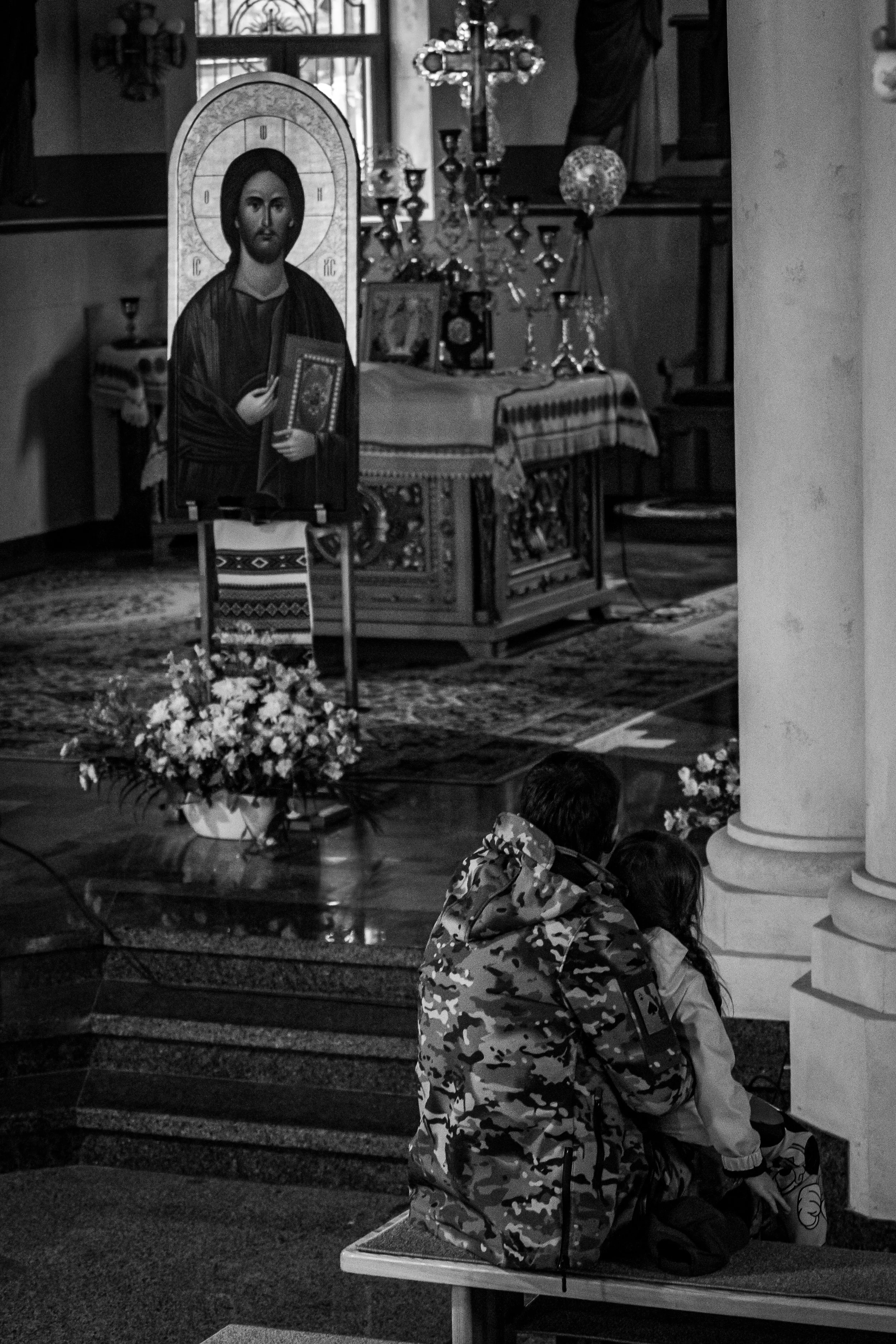
I look at their faces, their closed eyes, their hands held tight, the way they remain still even when everything around them is unstable. There is something in their expressions that is clearer than any word, something that does not need translation, something that is not as fragile as it might seem from the outside.
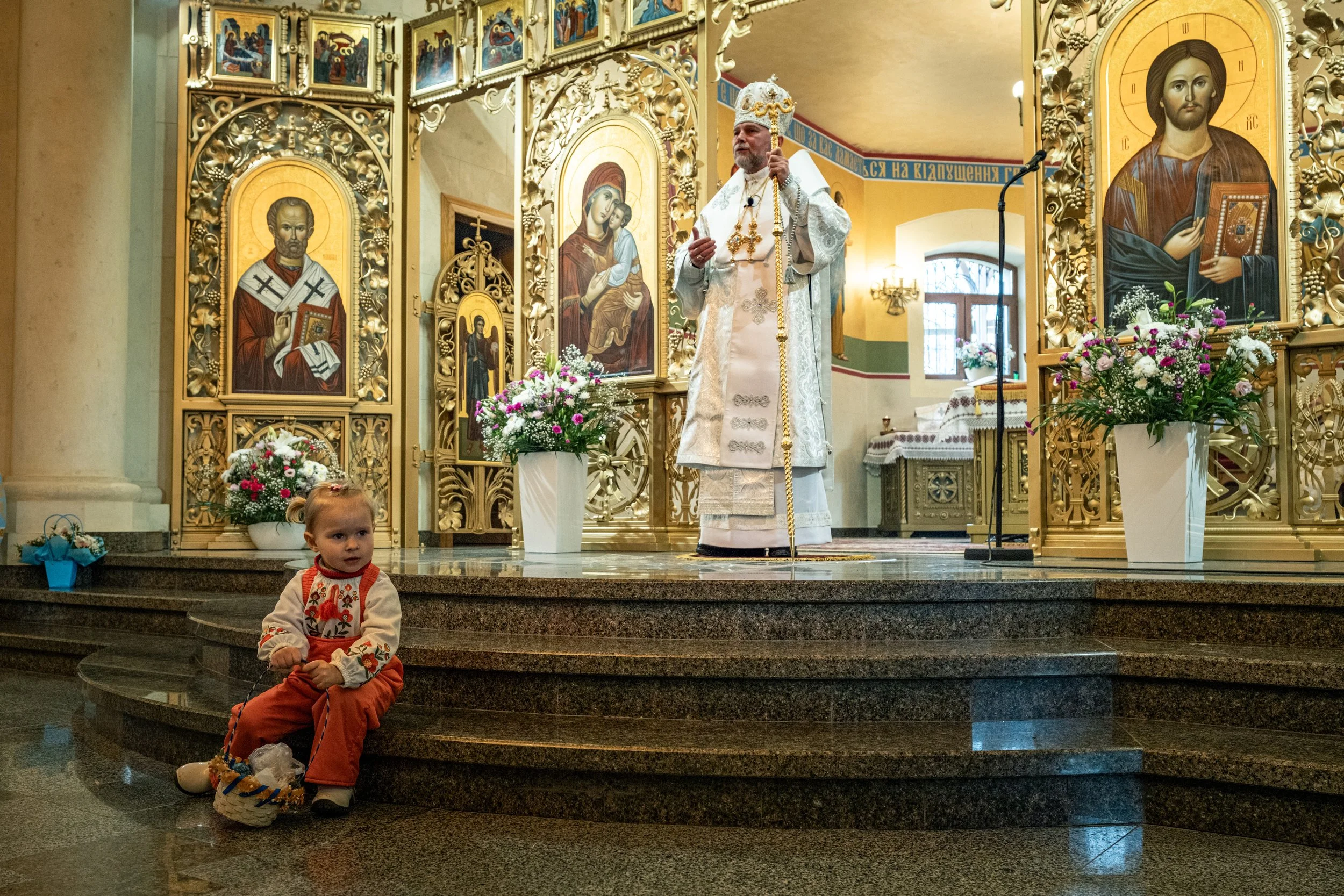
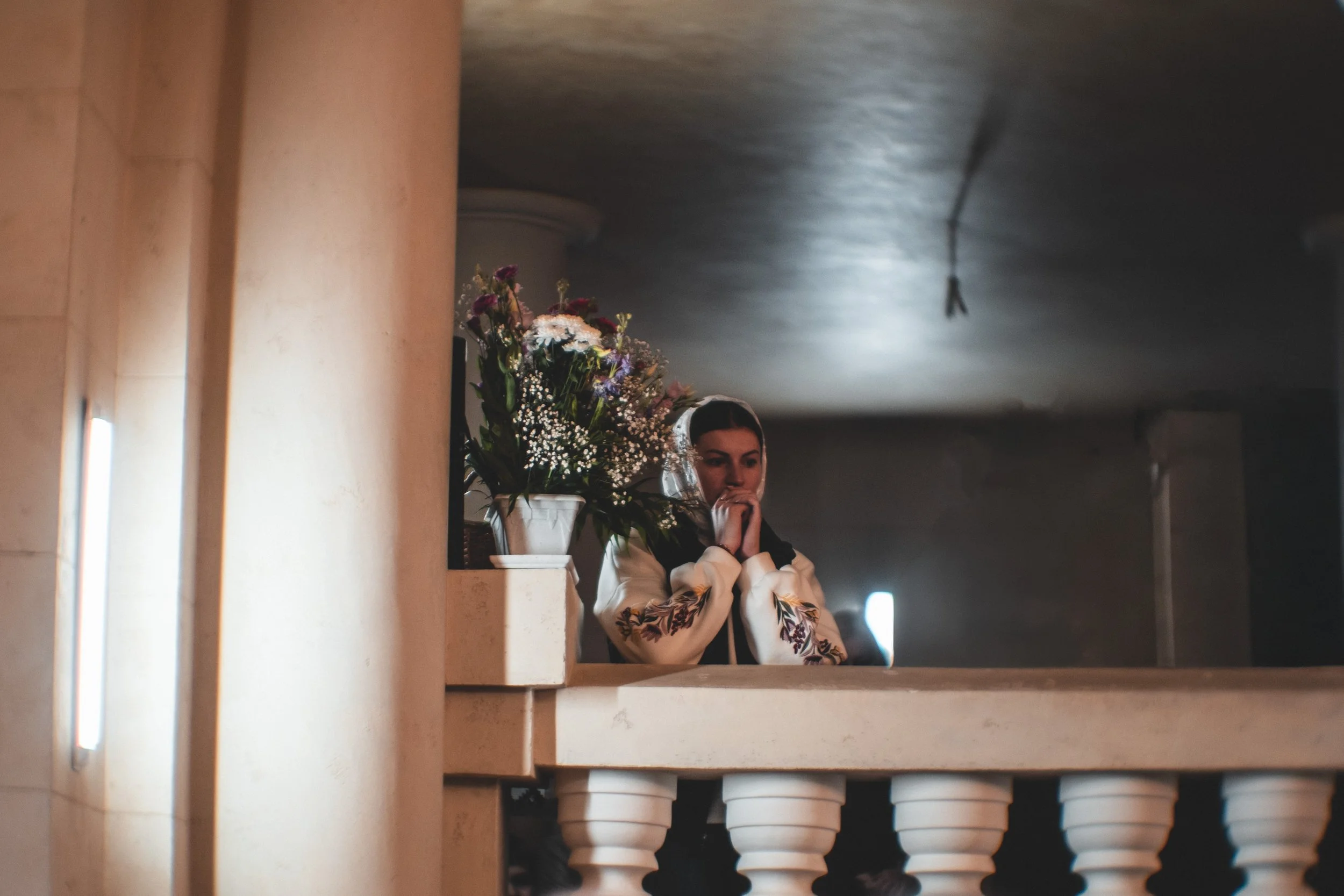
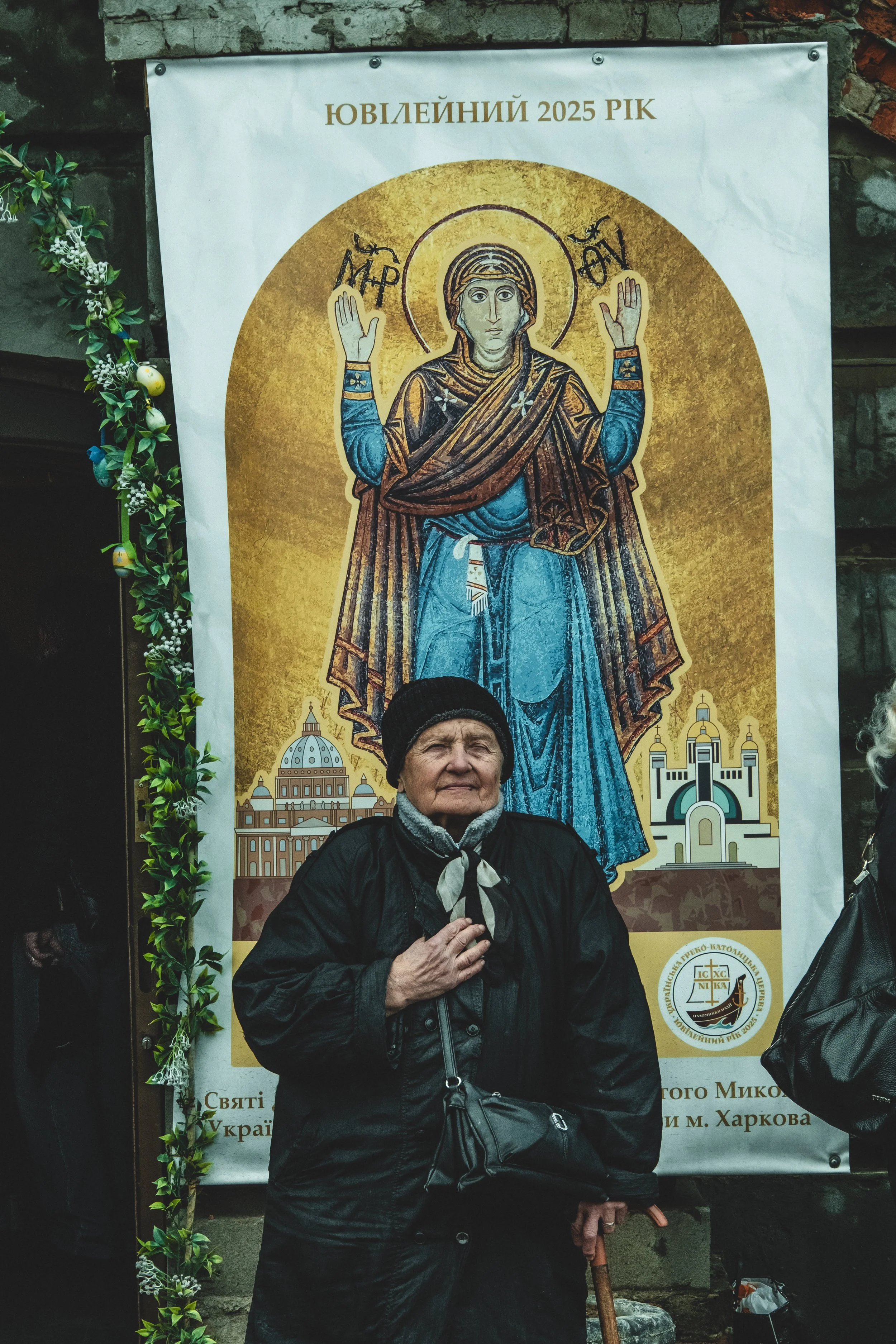
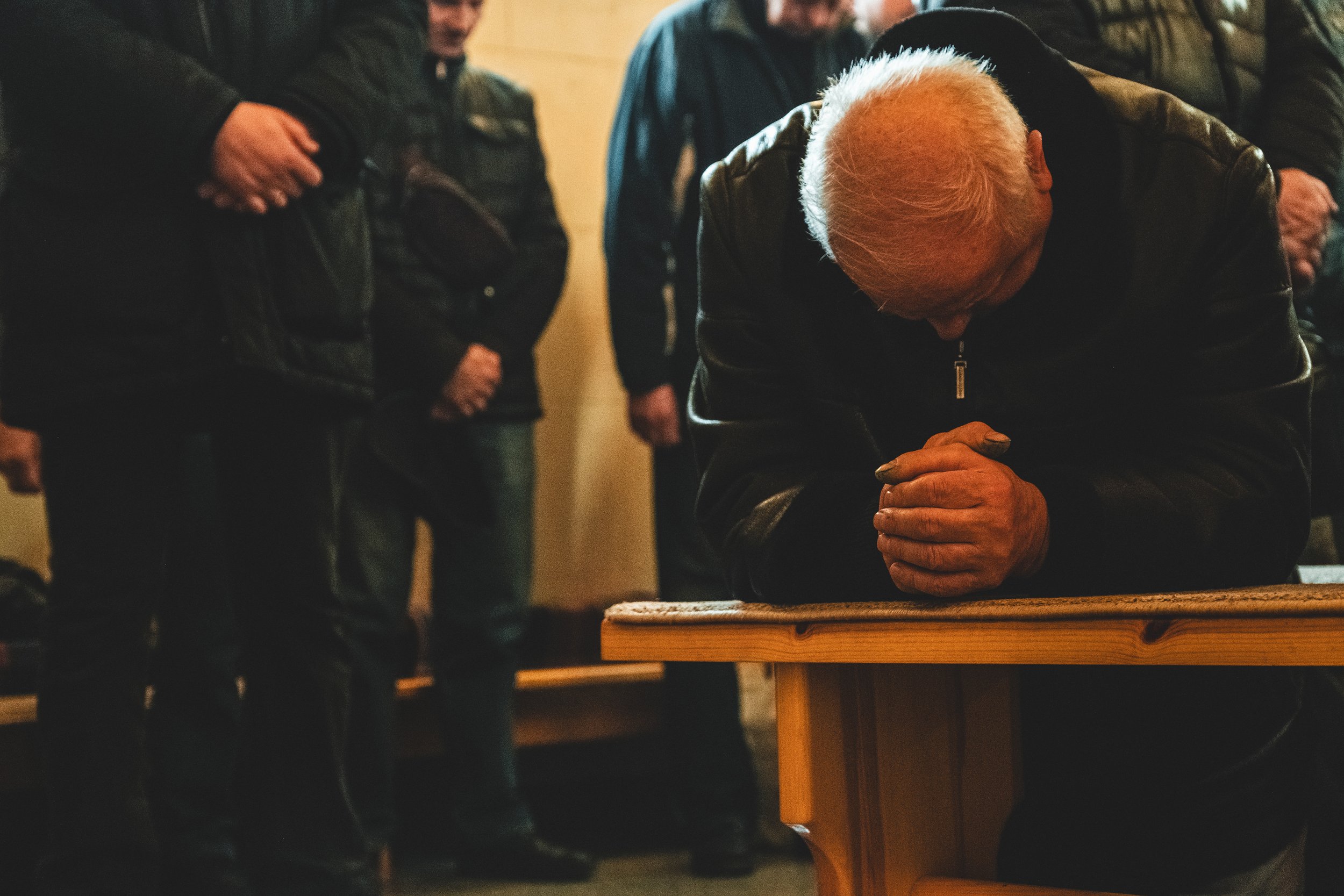
It is a resilient faith. Not born from safety, but from its absence. A faith that does not remove fear, but coexists with it. That keeps people standing while everything around them continues to give way, while houses collapse, while the sound of bombs enters daily life and breaks it apart.
And they remain.
They remain here, inside this church held together by scaffolding, inside this light that does not remove the darkness but passes through it, inside this shared moment that does not change what is happening outside, but changes the way it is endured.
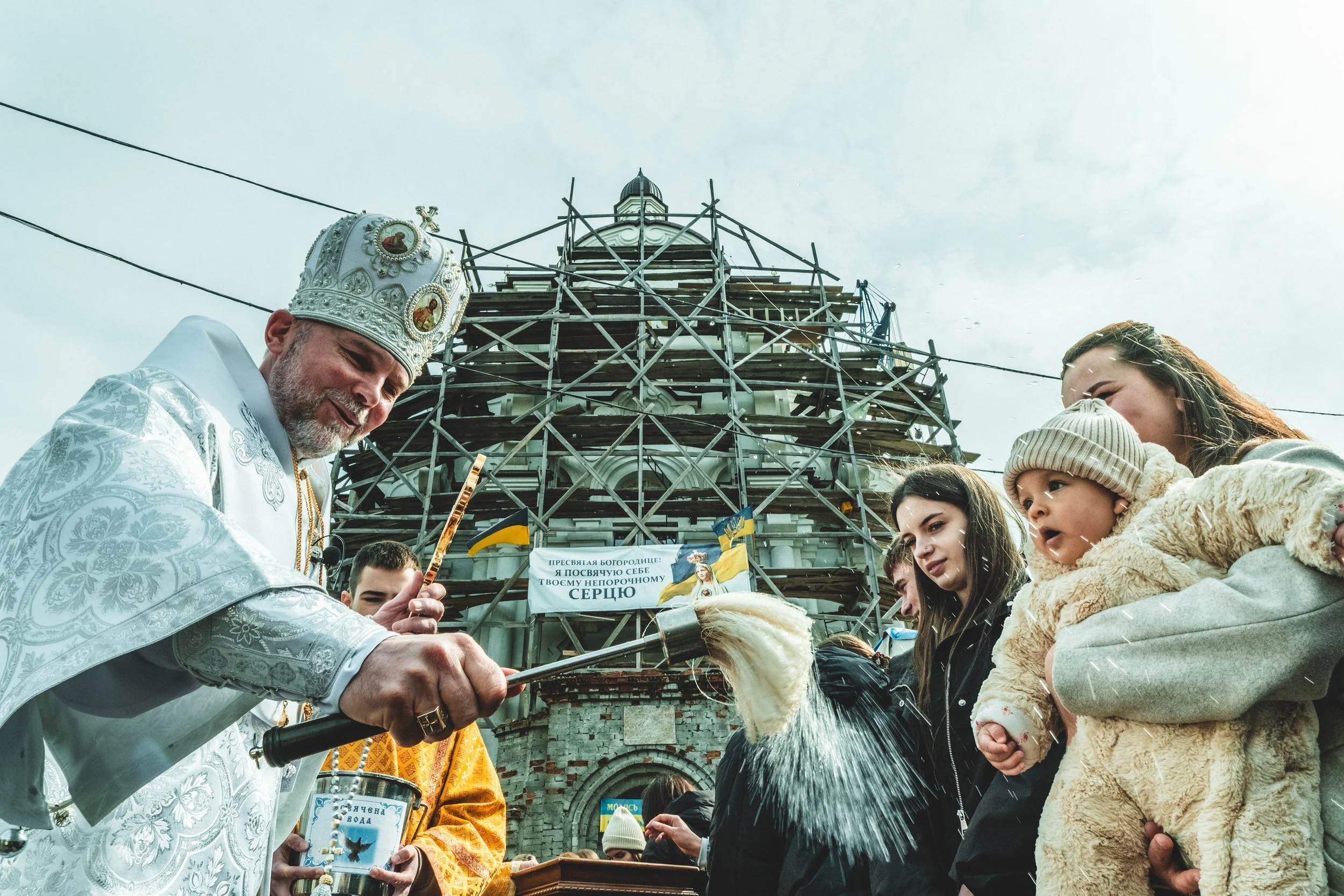
Then, as it happens wherever there are children, something shifts.
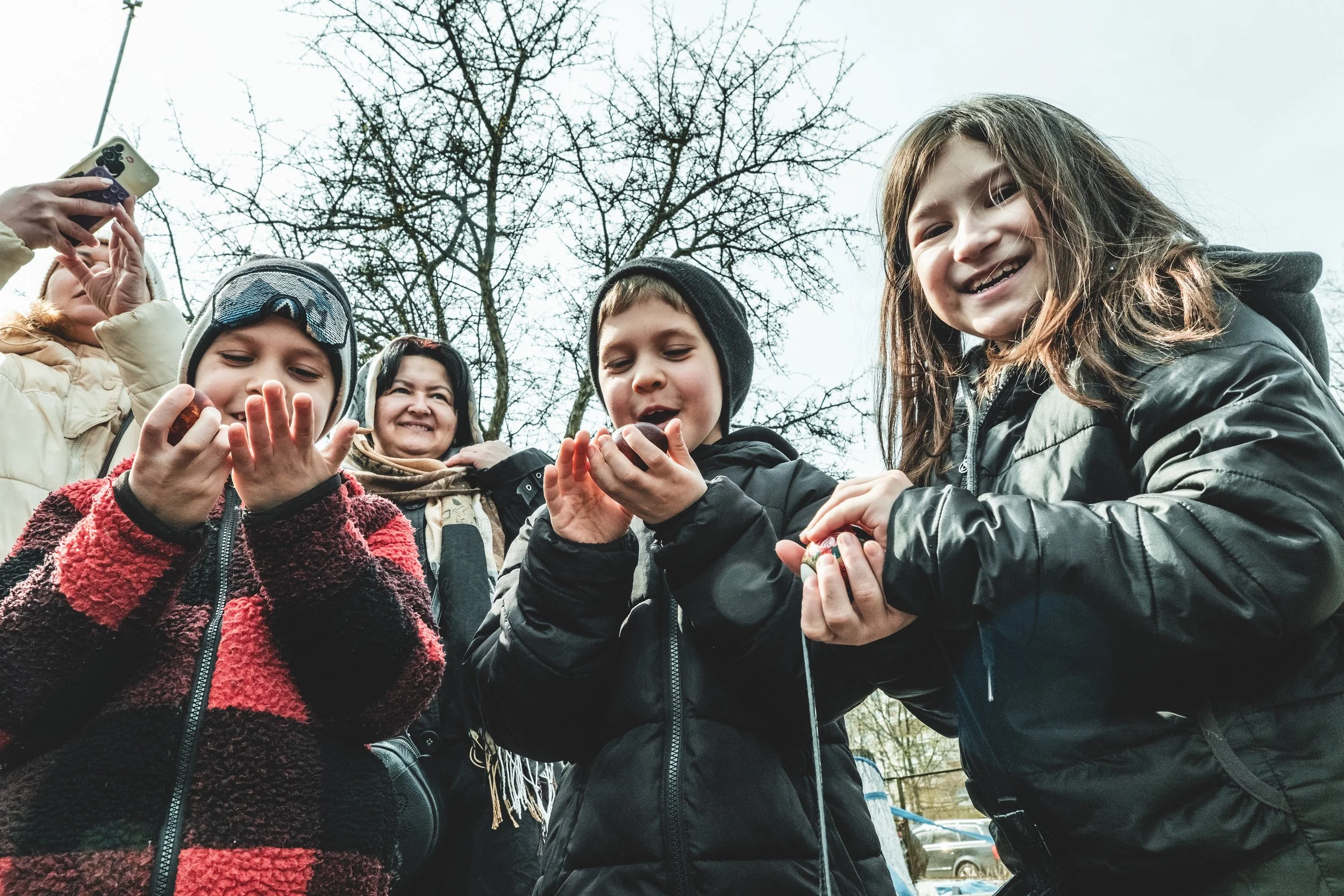
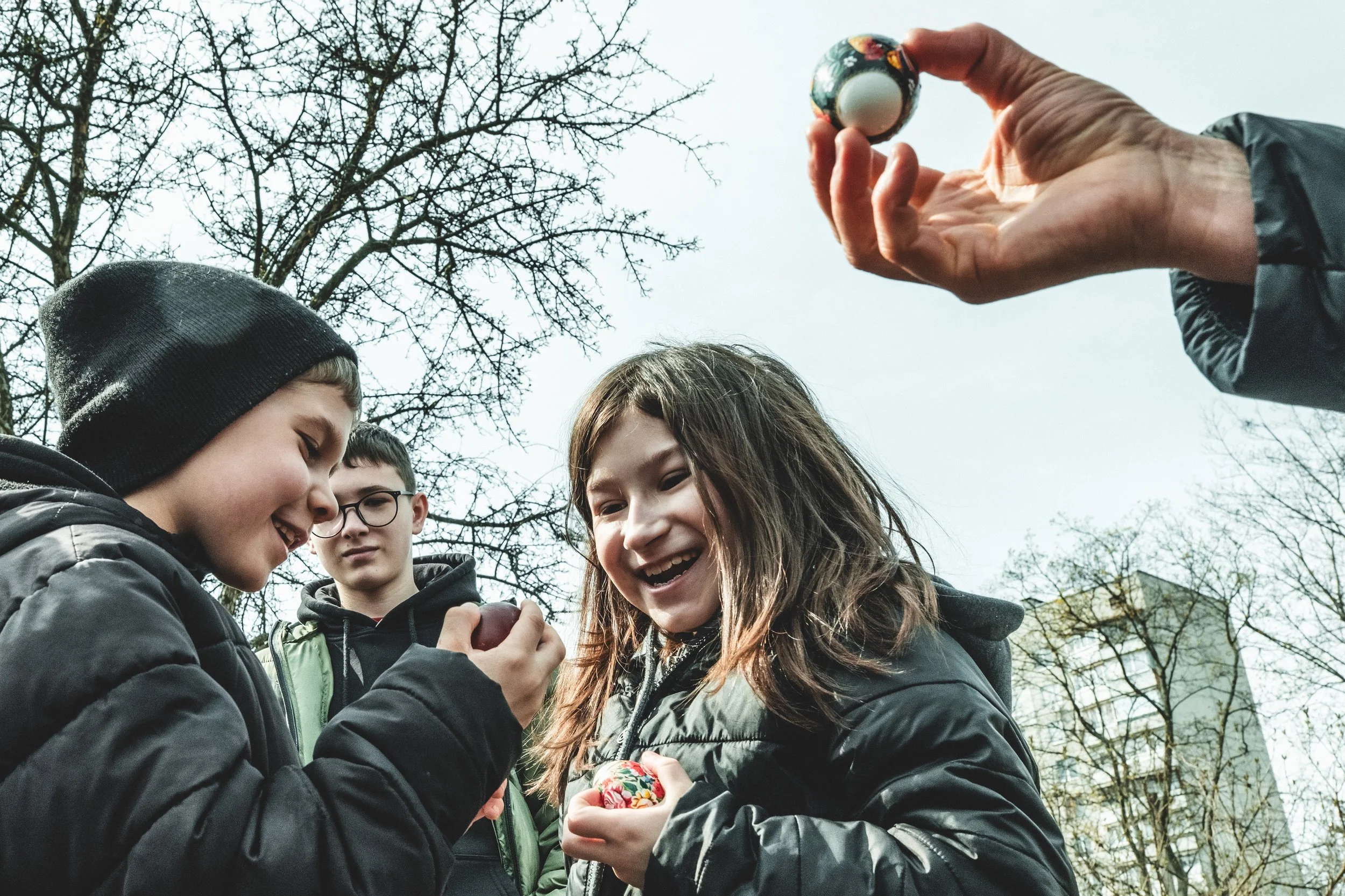
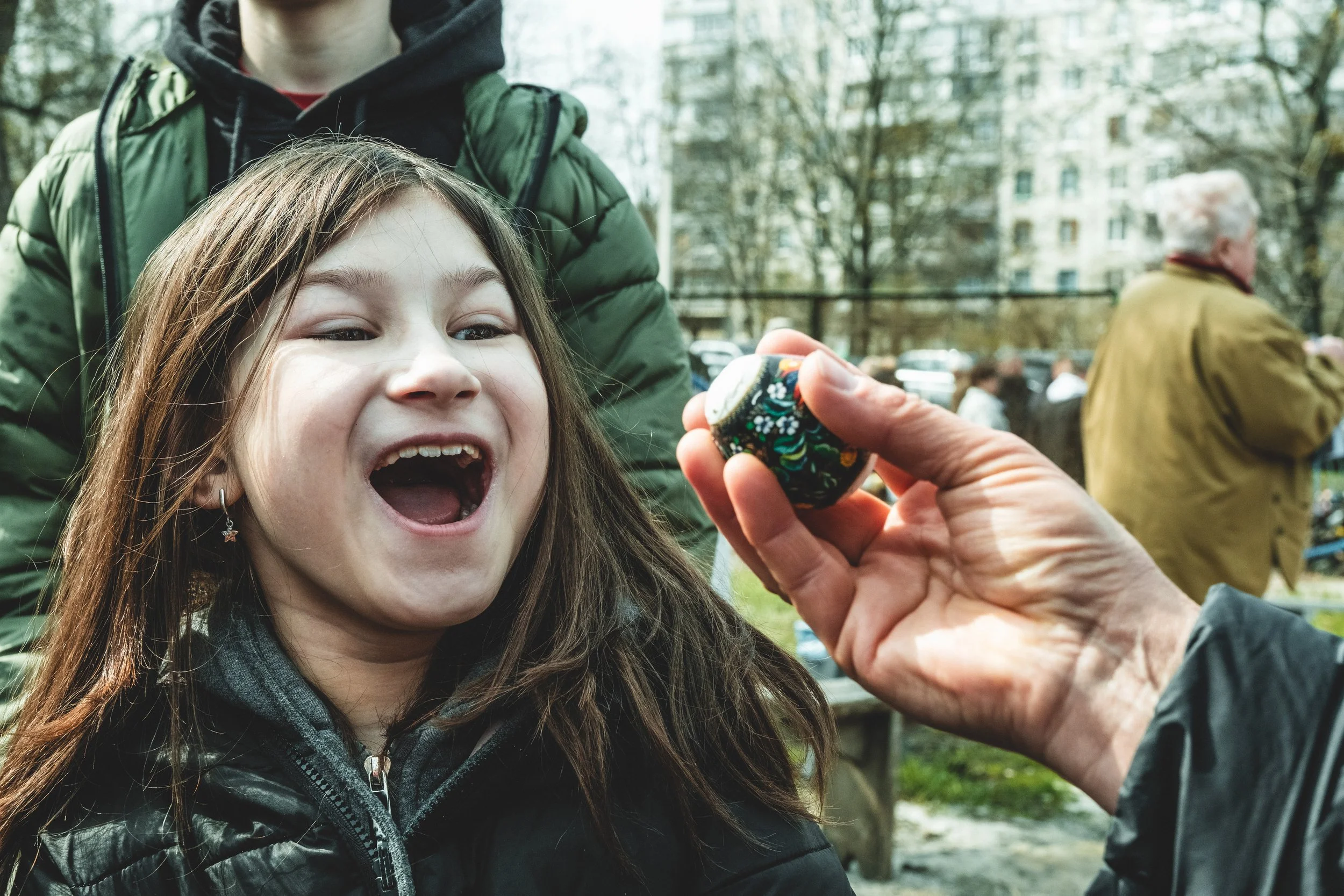
They move closer, holding the blessed eggs between their fingers, and begin to strike them against each other. It’s skhilky, the Easter game children here have been waiting for for weeks: you choose your egg, challenge someone, tap tip against tip. Whoever cracks the other wins, and keeps it. Whoever keeps theirs intact is the strongest. They laugh when one breaks, they celebrate when one survives. It is a simple game, but here it carries a different weight. In a place where everything can really break, creating a small war that does no harm becomes almost necessary. A way to reduce the world to a scale that can still be managed, even if only for a moment.
In the end, what remains is not a clean image or a closed story, but a feeling that is harder to define. Life here does not wait for better conditions to continue. It does not pause. It moves forward inside uncertainty, inside noise, inside the constant possibility that something will go wrong. And because of that, every gesture carries more weight, every presence matters more.
Easter is the day when people speak of resurrection, of life returning, of something overcoming death.
Here, the war does not stop. Russia continues to attack this city every day. Bombs are part of the hours, the meals, the nights. They are no longer an exception. They have become the rhythm, the background against which everything else exists.
This Easter, I saw something beyond resurrection.
Not life returning.
But life that, despite everything, never left.