Frankenstein Lens
In Kyiv there is this photographer, or mad scientist, hard to say. His name is Гарри, Garry. My friend Margherita put us in touch.
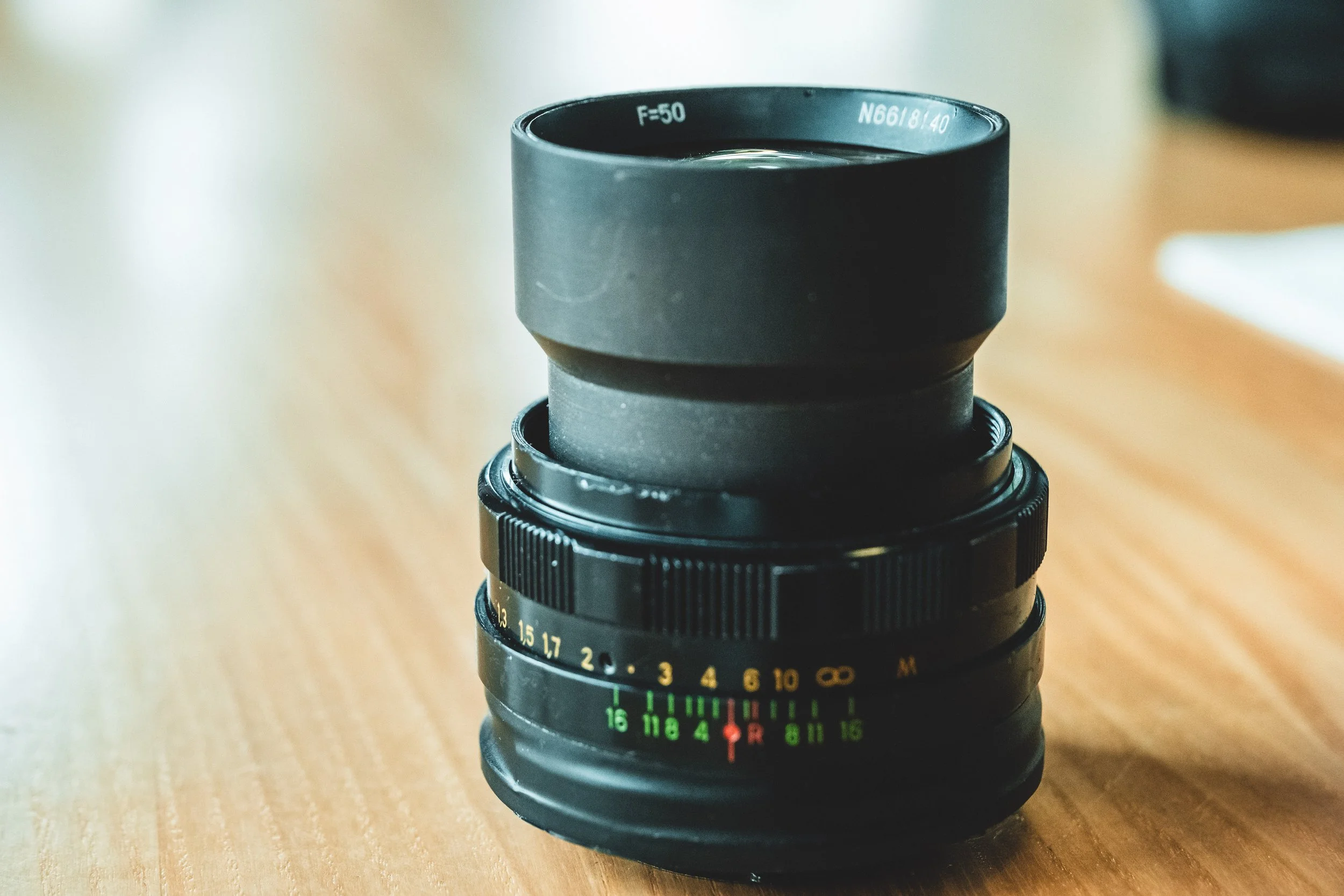
He takes old Soviet lenses and adapts them to modern cameras. Not restoration. He modifies them, combines them, forces them into configurations they weren't designed for.
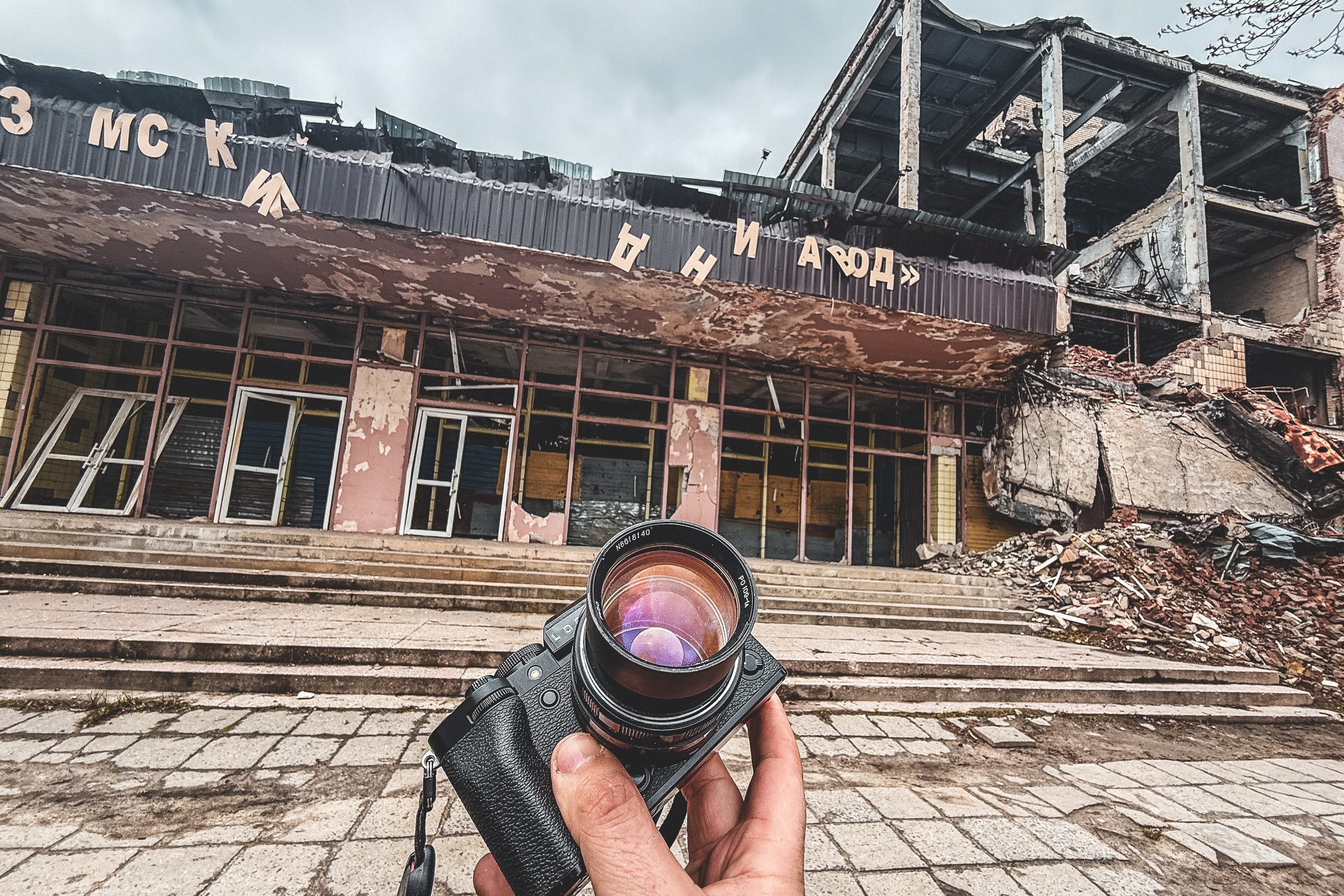
The one he built for me started as a РО 109-1А. 50mm, f/1.2. Built in the 1970s at the Izium Optical-Mechanical Plant, this Soviet projection lens was never meant to see the world, only to project it.
Garry combined it with elements from a Helios 44, and adapted the whole thing to fit a Fuji body. Two lenses from the same era, different purposes.
On my way to the Donbas, I stopped in Izium in front of what's left of the Izium Optical-Mechanical Plant, the factory where this lens was built, sometime in the 1970s. The building is heavily damaged, partially destroyed by Russian forces during the occupation of the city.
We live in a moment when cameras are amazing. Fast autofocus, perfect exposure, images so clean and precise they leave nothing to chance and nothing to the imagination. You point, you shoot, you get exactly what you asked for.
There's nothing wrong with that. And yet.
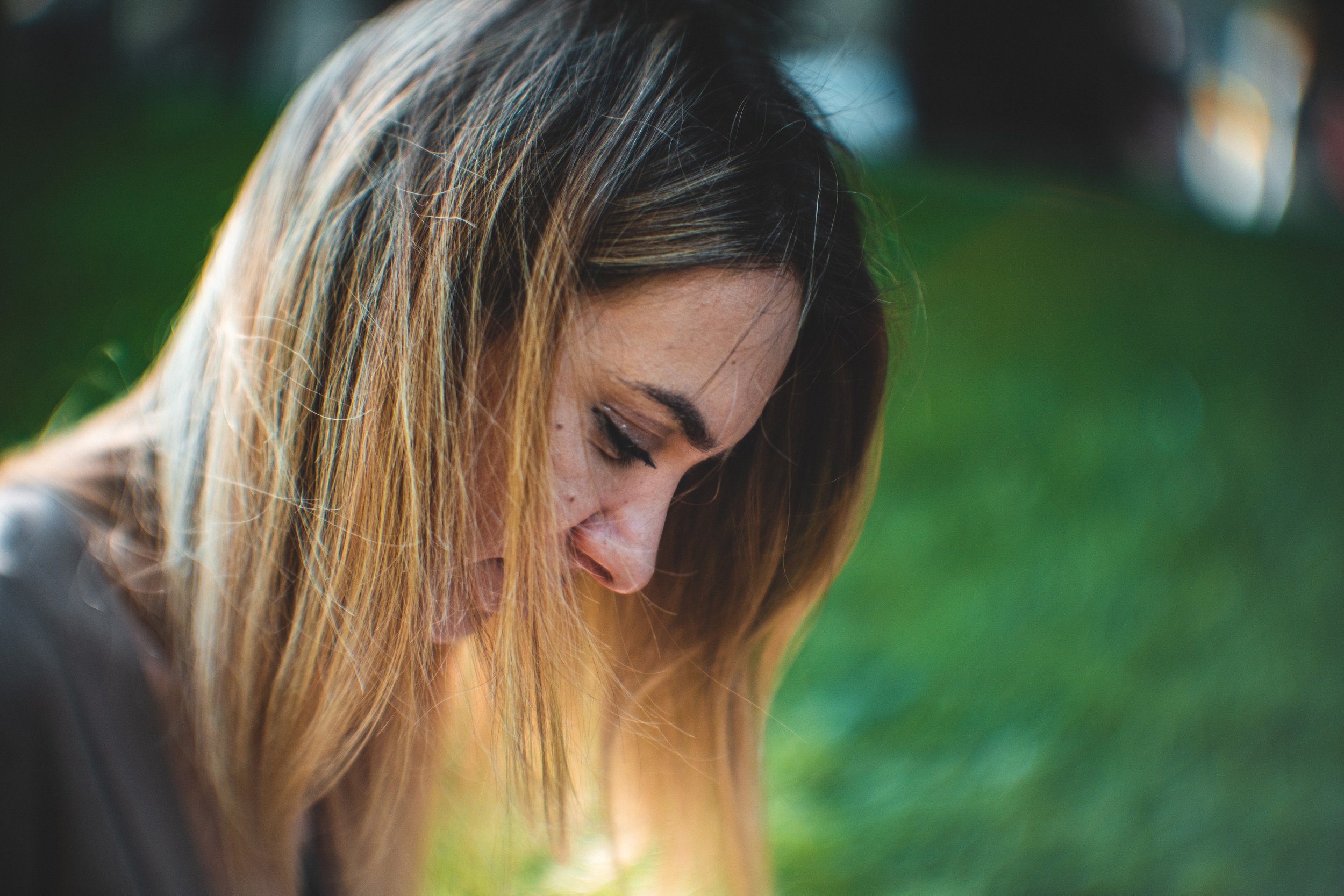
There's something romantic about a lens that doesn't cooperate. That hunts for focus instead of snapping to it. That lets light in at the edges when the light decides it wants to come in. That sees the world slightly on its own terms and asks you to meet it halfway.
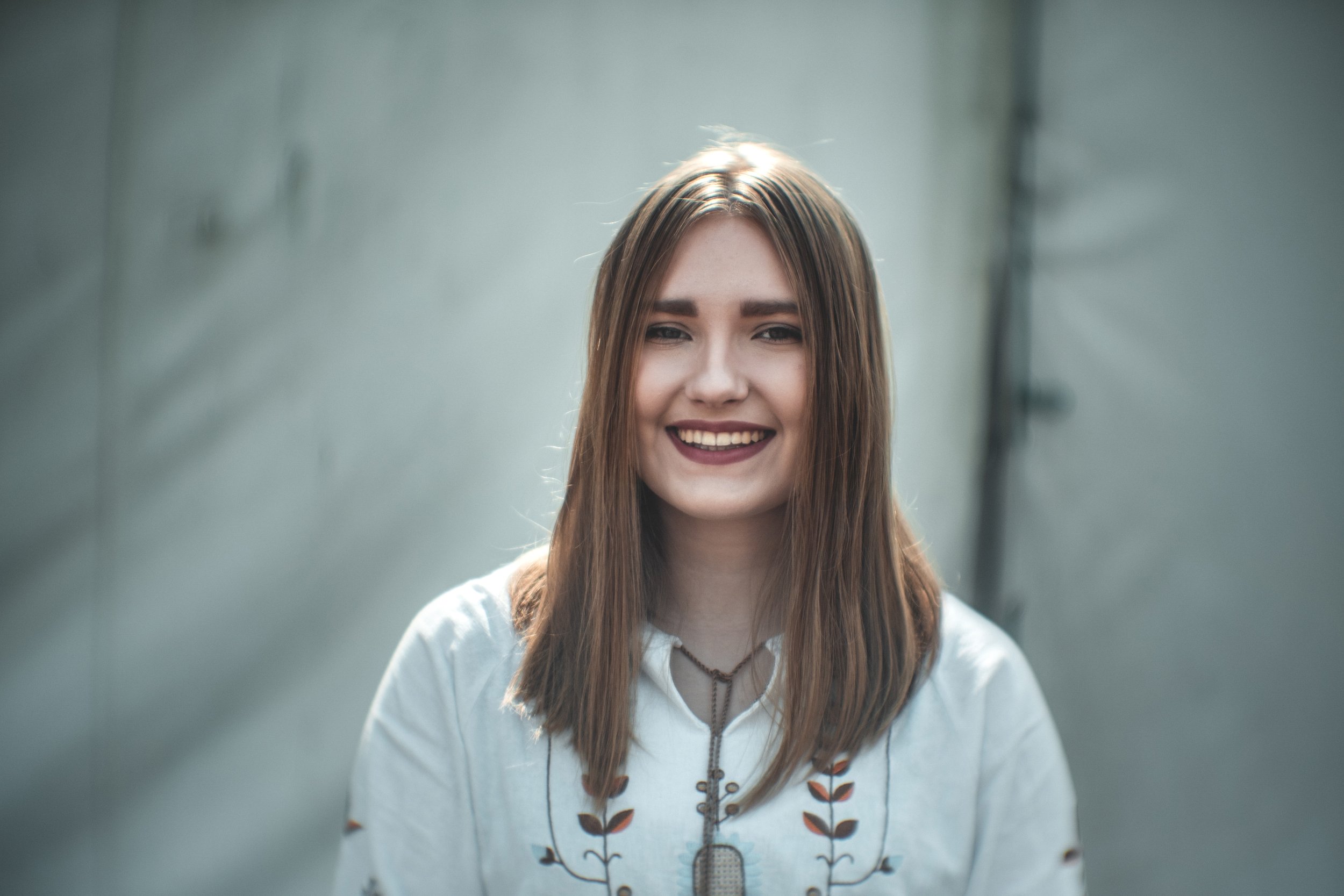
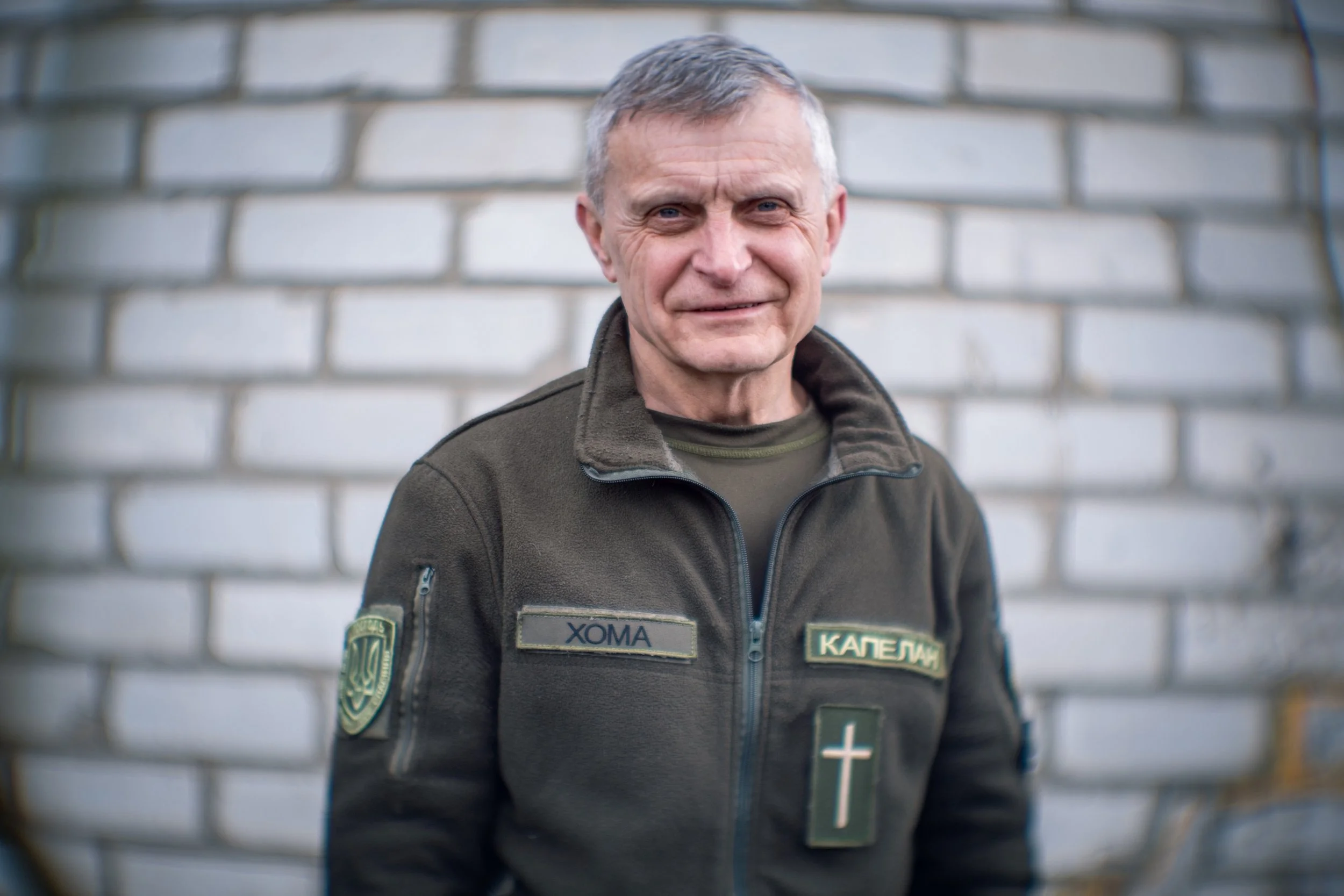
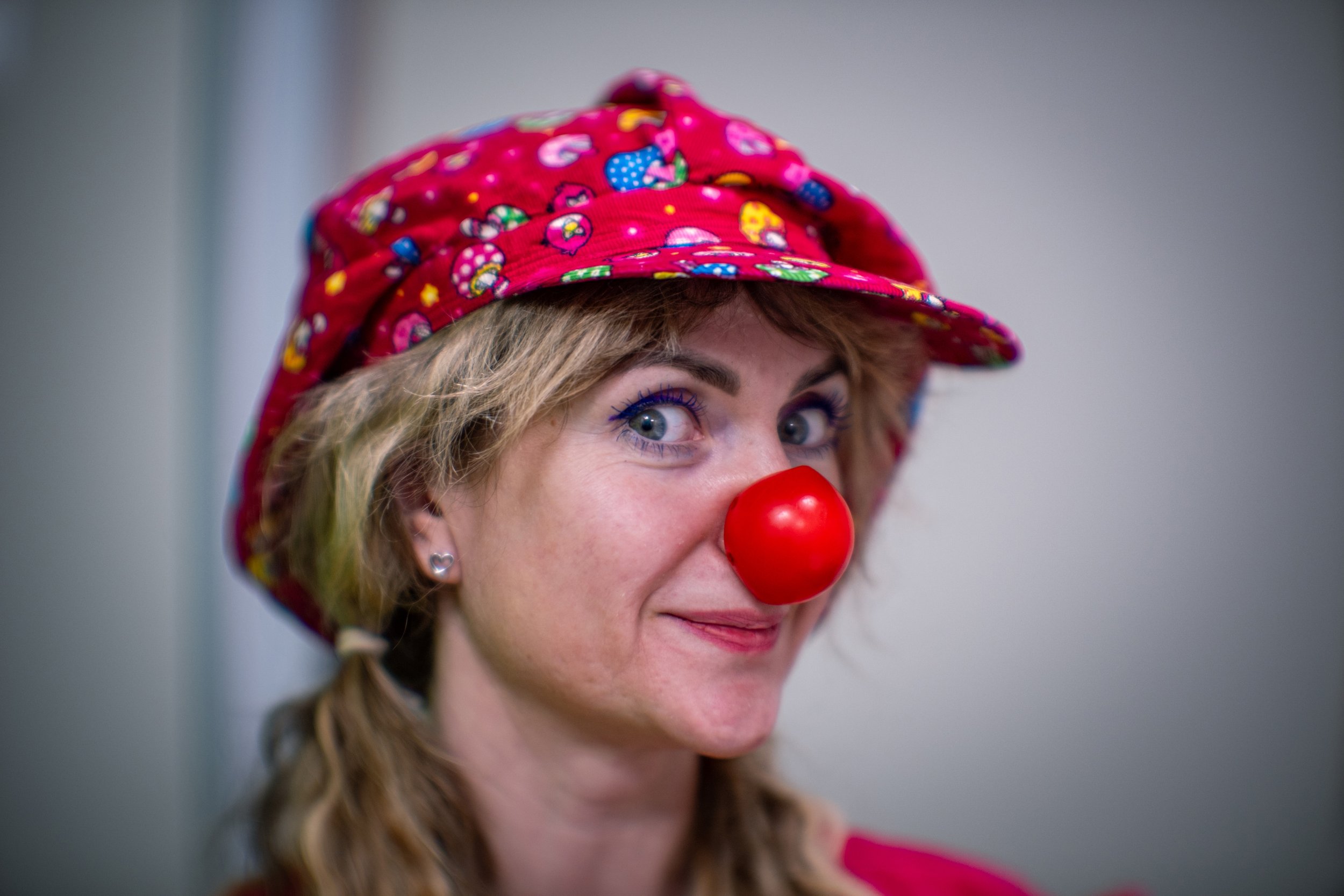
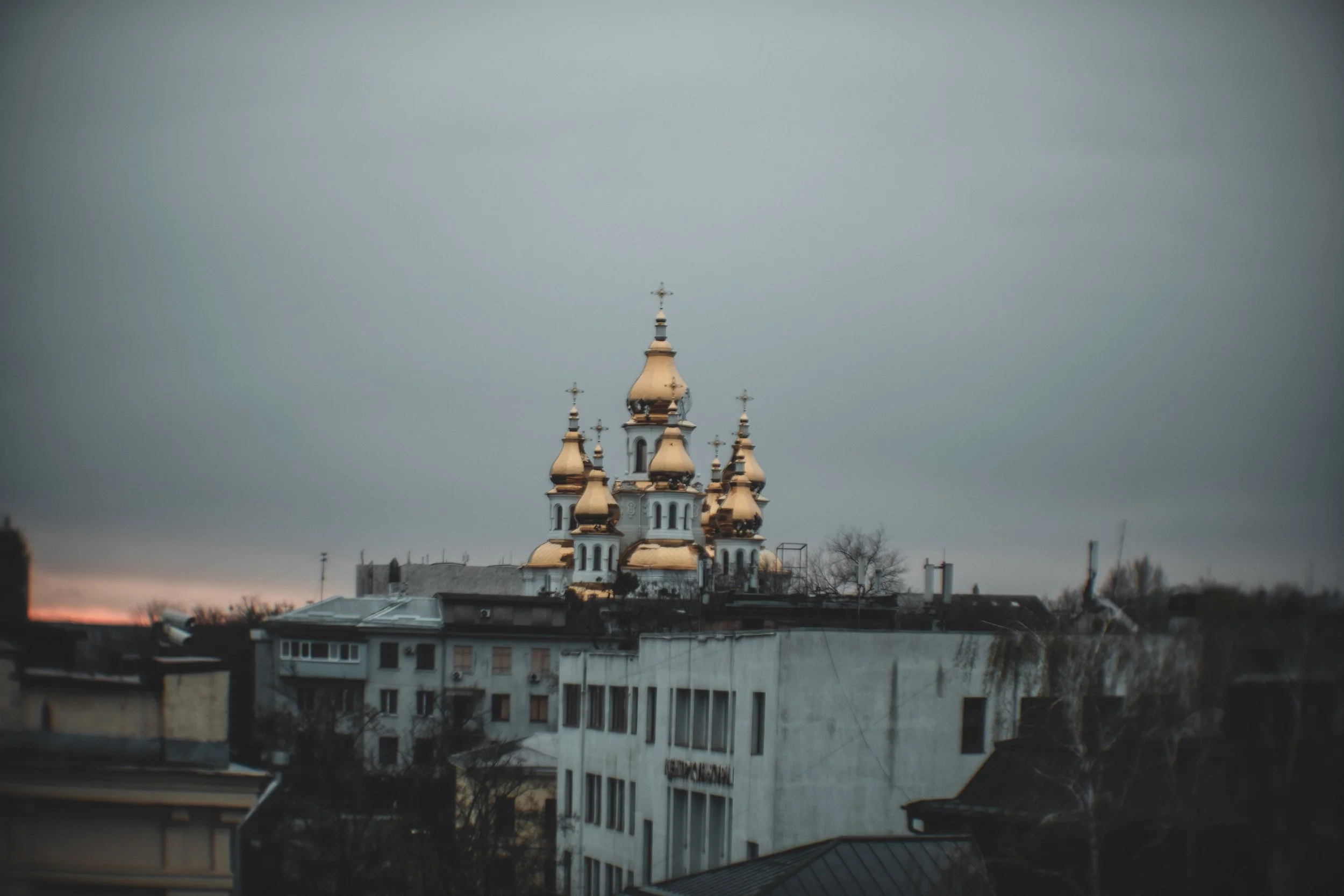
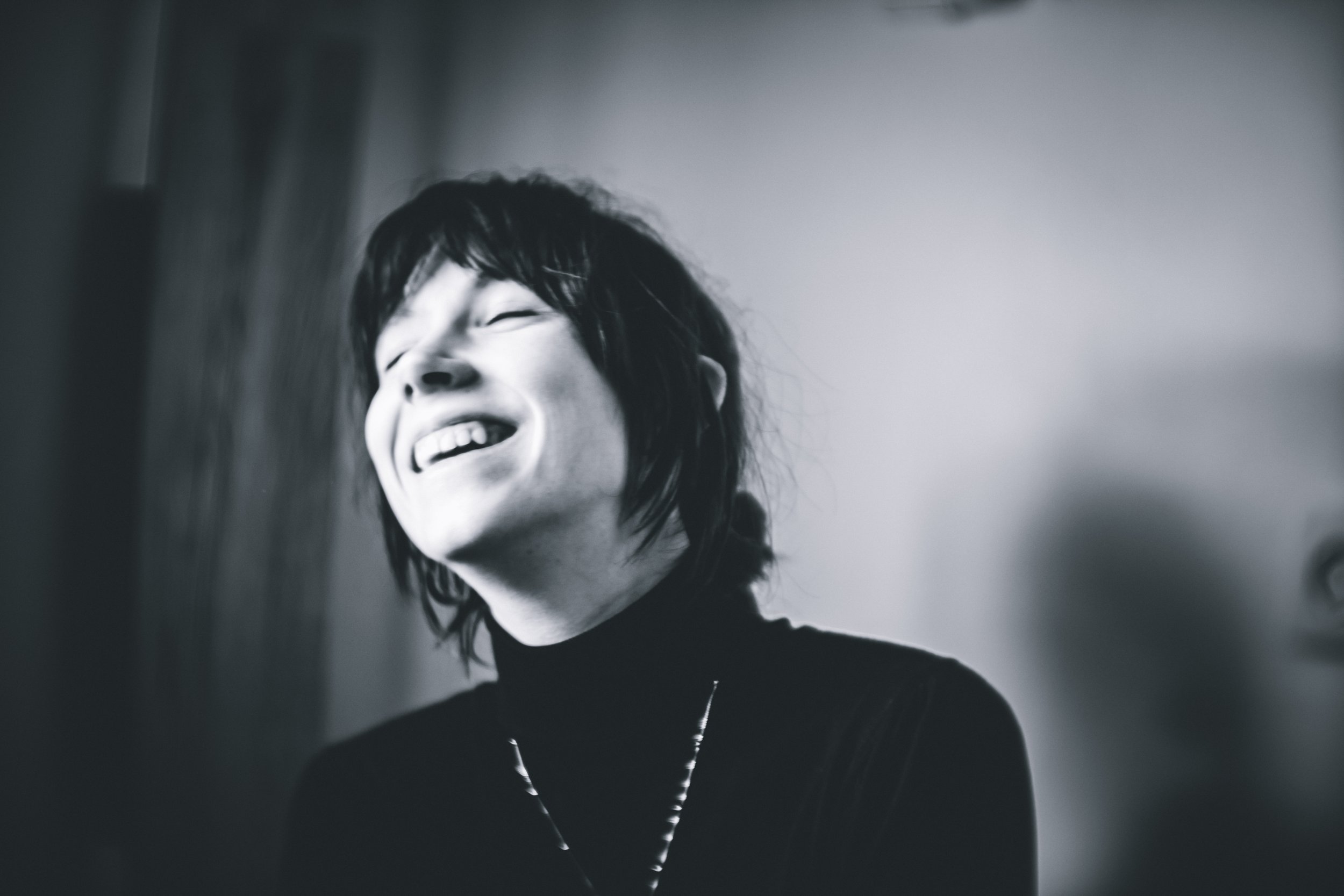
Shooting with this lens is a negotiation. You give it a direction and it gives you something back that isn't always what you planned — and sometimes, not always but sometimes, what it gives you is better than what you had in mind. A face warmer than you expected. A background that dissolves in a way that feels less like a technical effect and more like a feeling. A frame that looks less like a document and more like a memory.
In a world designed to eliminate uncertainty, choosing a lens like this is a small act of faith. You're trusting the glass, the light, the moment — all the things that fast and perfect deliberately remove.
And there's something beautiful about not knowing exactly what you're going to get. About letting the light decide.