Photography Books That Taught Me When to Lower the Camera
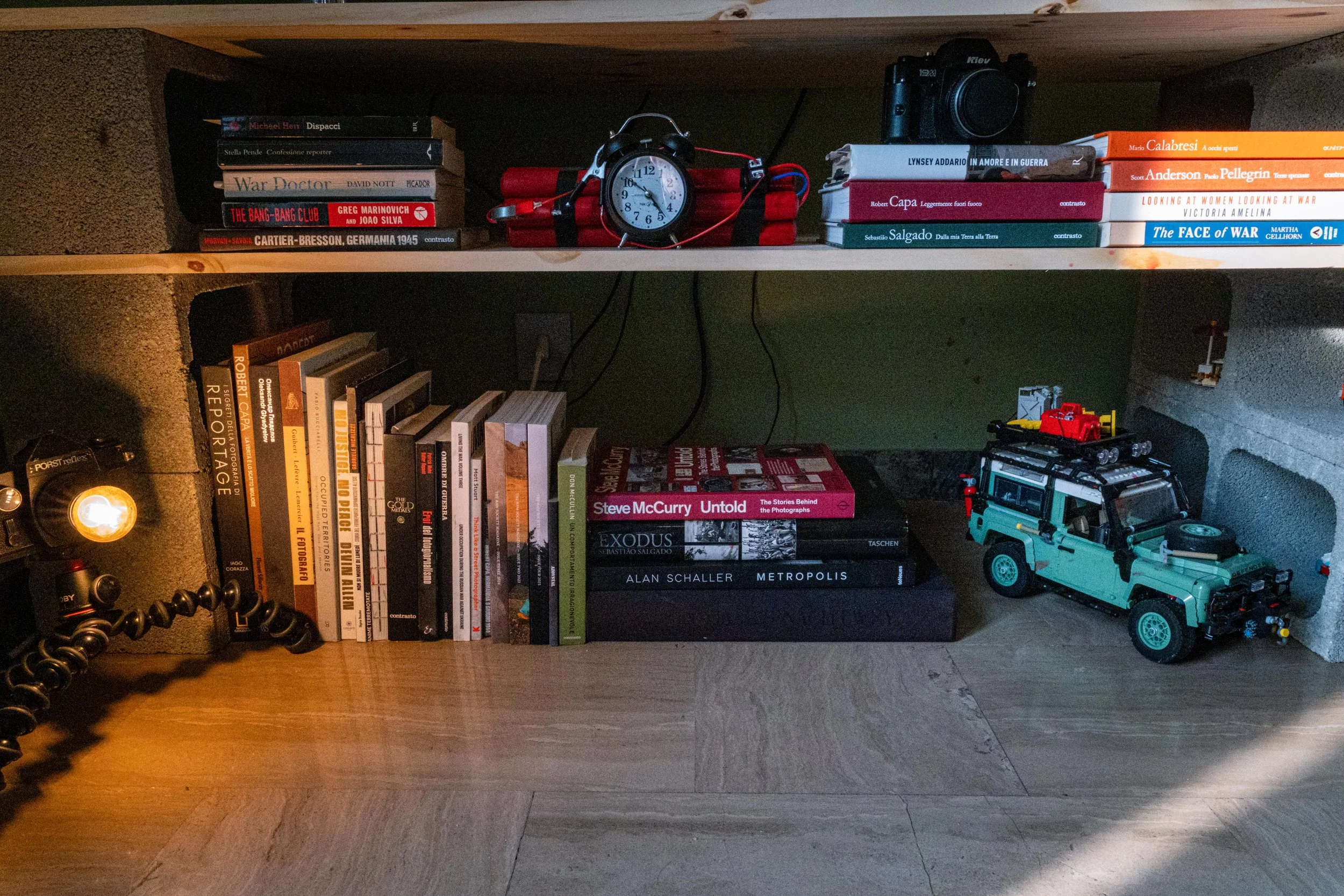
I have a bookshelf of photography books. The other day, a photographer friend asked me for advice on which one to buy. I wrote her a list, with the reasons why. I felt like sharing it here as well.
Some of these books hurt when you look at them, because they are so true. Others teach you that not everything you see belongs to you.
They shaped me as a photographer. But above all, they kept me aligned as a human being.
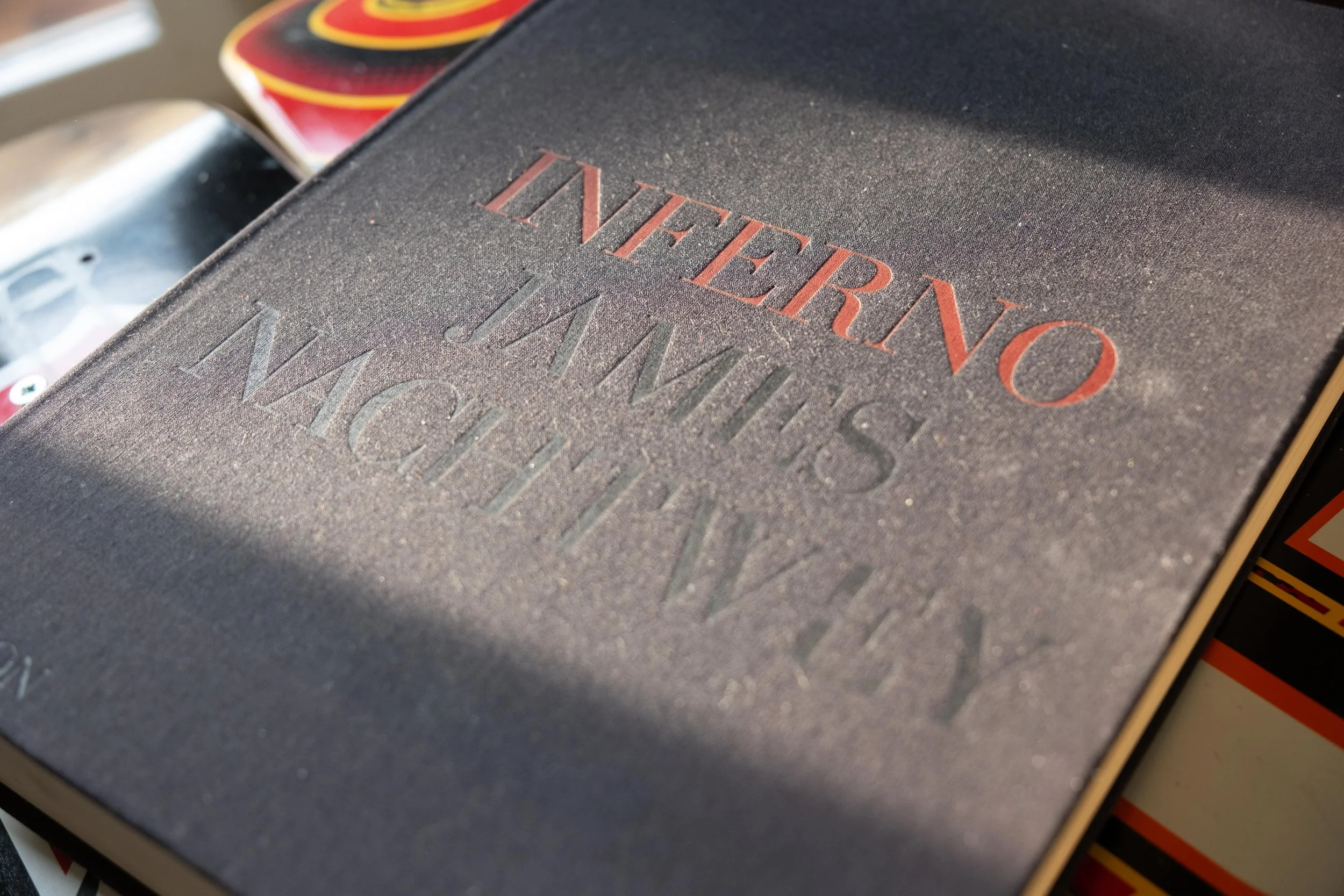
Inferno – James Nachtwey
Inferno is not a book you flip through. It is a book you carry, like a stretcher.
Inside are twenty years of wars and humanitarian catastrophes. Somalia, Rwanda, Bosnia, Chechnya, Kosovo. Bodies that history decided to ignore. Nachtwey looked them in the face, one by one.
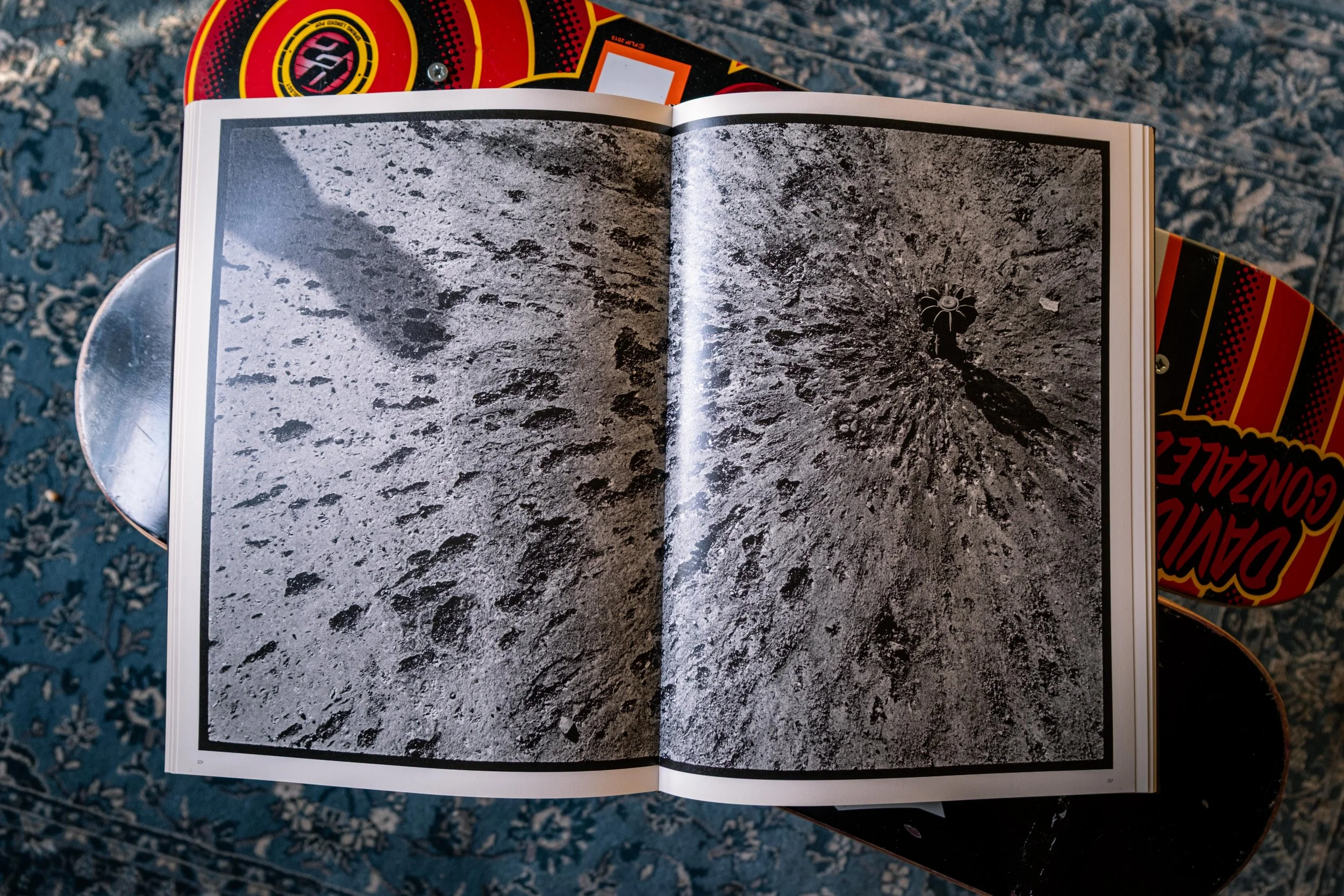
The images are black and white. No color, no distraction. Just the thing itself.
Nachtwey is not looking for the iconic image. He is not looking for heroism. He is looking for responsibility.
There is no indulgence in pain, no aestheticization of destruction. There is a question that returns page after page: “You, who are looking, what will you do now?”
It is a book that teaches you something fundamental: the camera is not a shield. And it is not an excuse.
Exodus – Sebastião Salgado
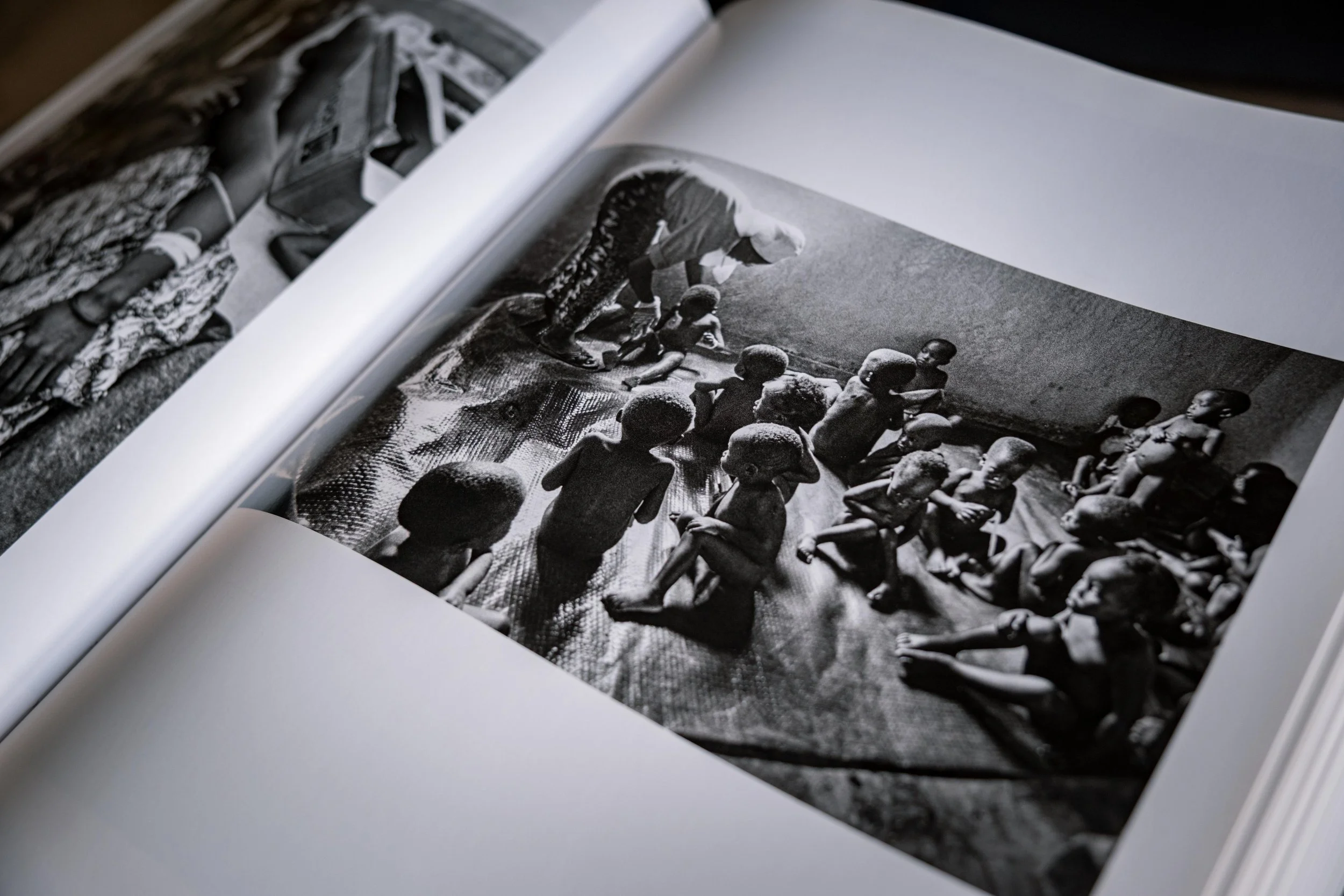
Exodus is constant movement. Bodies crossing borders, but above all gazes crossing the person who looks at them.
Salgado traveled for six years across more than thirty-five countries. He photographed Vietnamese boat people, refugees in the Balkans, caravans in the Sahel, migrants on the border between Mexico and the United States. Camps, borders, seas, deserts.
All in black and white. That dense, almost tactile grain that became his signature.
Salgado shows migration not as an emergency, but as a recurring human condition. There is no hurry in his images. There is time. There is dignity. There is a slowness that today feels almost subversive.
From Exodus I learned that photographing people in motion requires something very rare: stopping.
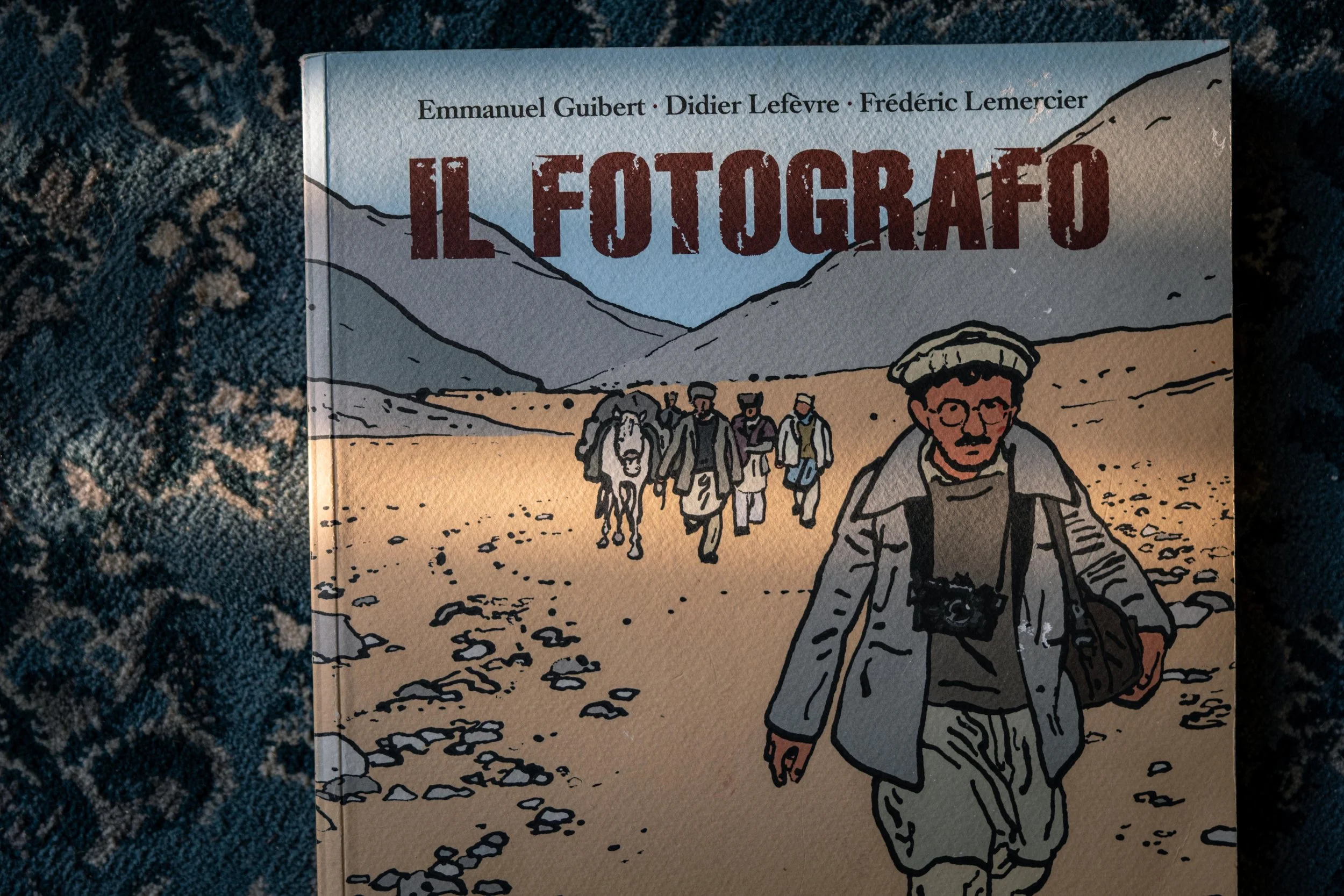
The Photographer – Emmanuel Guibert & Didier Lefèvre
This book is a gentle wound.
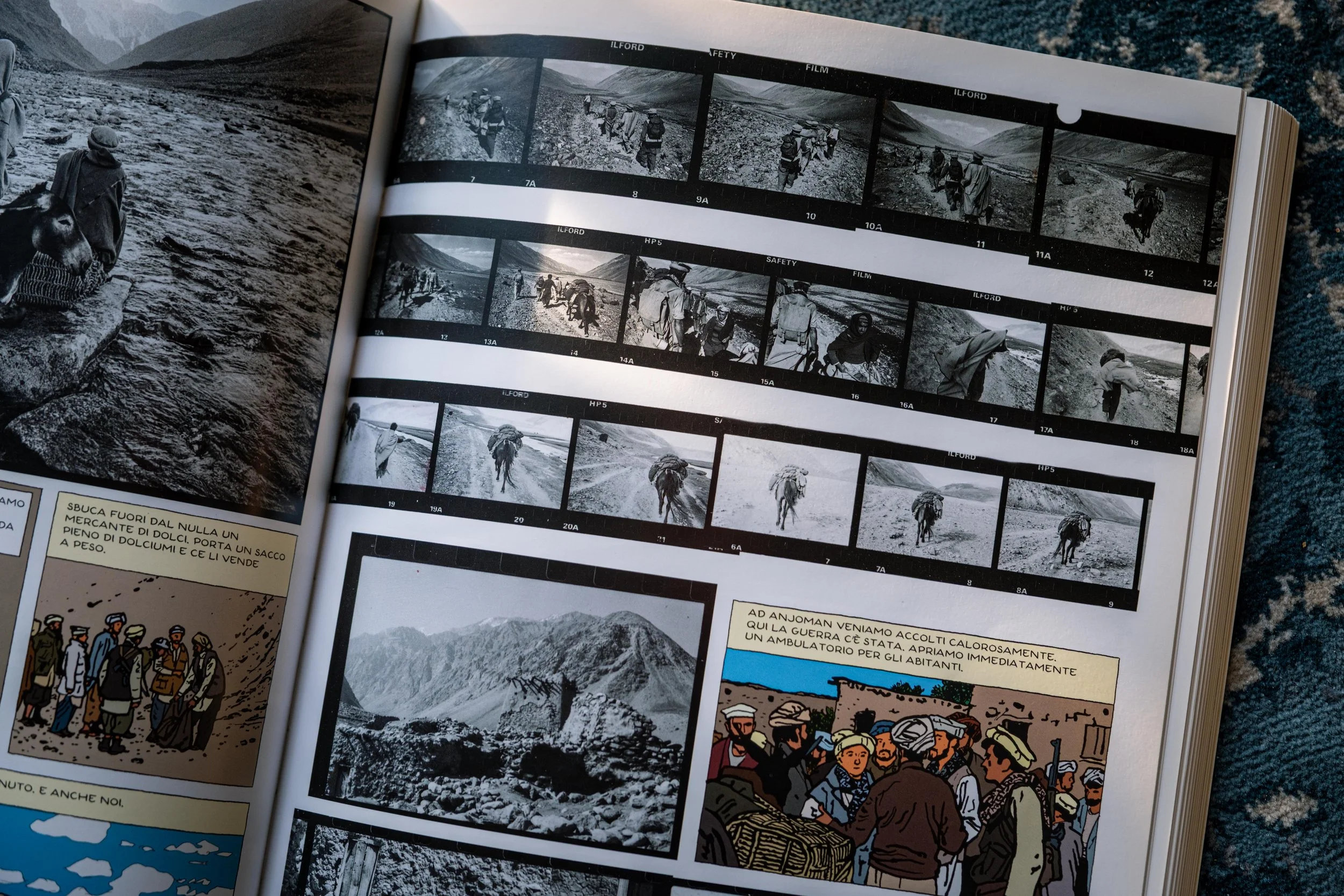
It tells the story of Didier Lefèvre’s mission with Médecins Sans Frontières in Afghanistan in 1986, during the Soviet war. Mule caravans through the mountains, bombed villages, improvised hospitals, surgeons operating by candlelight.
The book alternates Lefèvre’s original photographs with Guibert’s drawings. Sometimes on the same page. Sometimes the photograph stops where the drawing continues.
I like graphic novels. And I deeply love this encounter between photography and drawing, because it tells a simple truth: no single language is enough.
Photographs show what happened. Drawings show what was felt.
The Photographer speaks about Afghanistan, missions, the road. But above all, it speaks about vulnerability. About the photographer who is not a neutral observer, but a body inside the story.
It is one of the few books that makes you understand that telling a story does not mean clarifying everything. Sometimes it means accepting incompleteness.
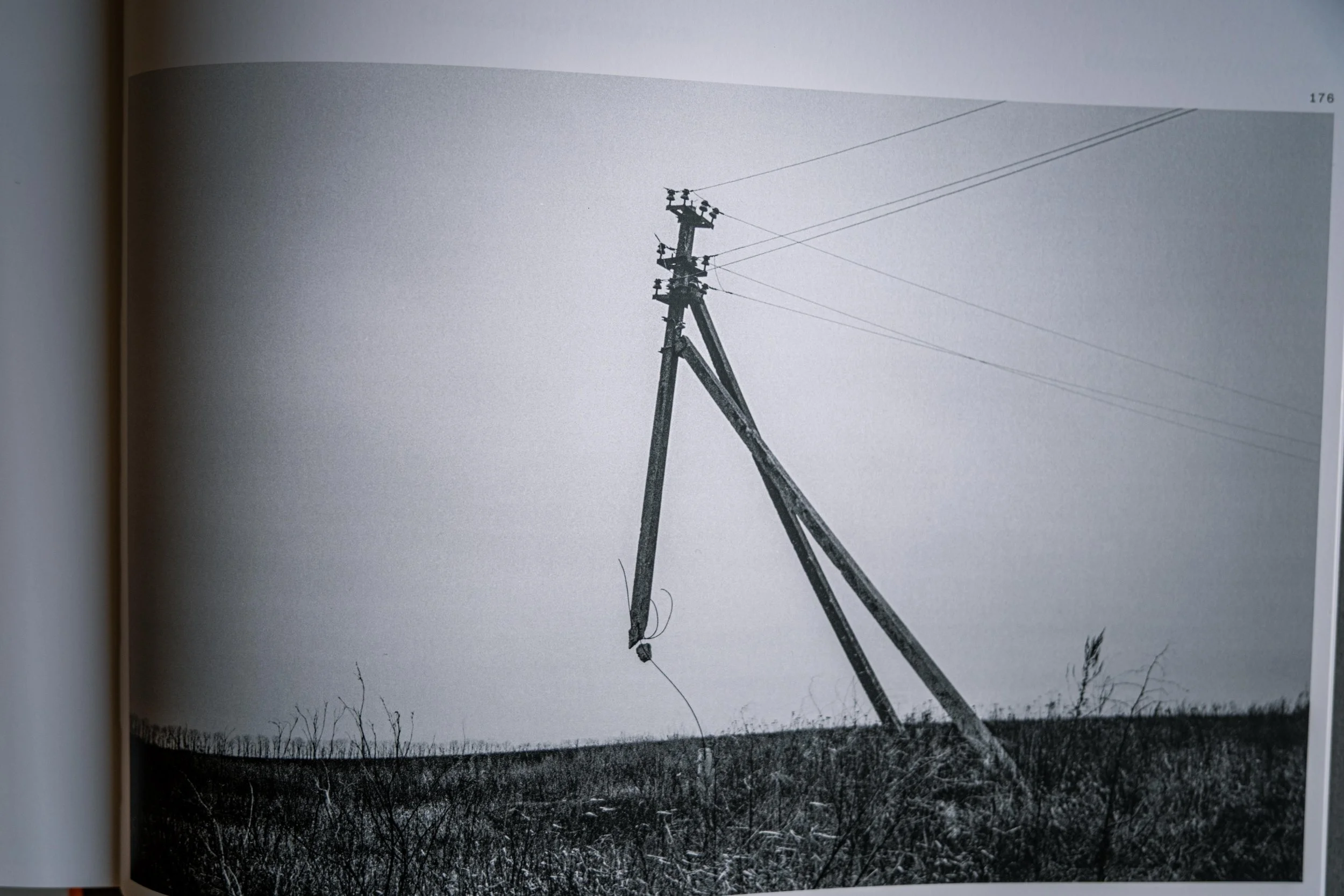
Oleksandr Glyadyelov
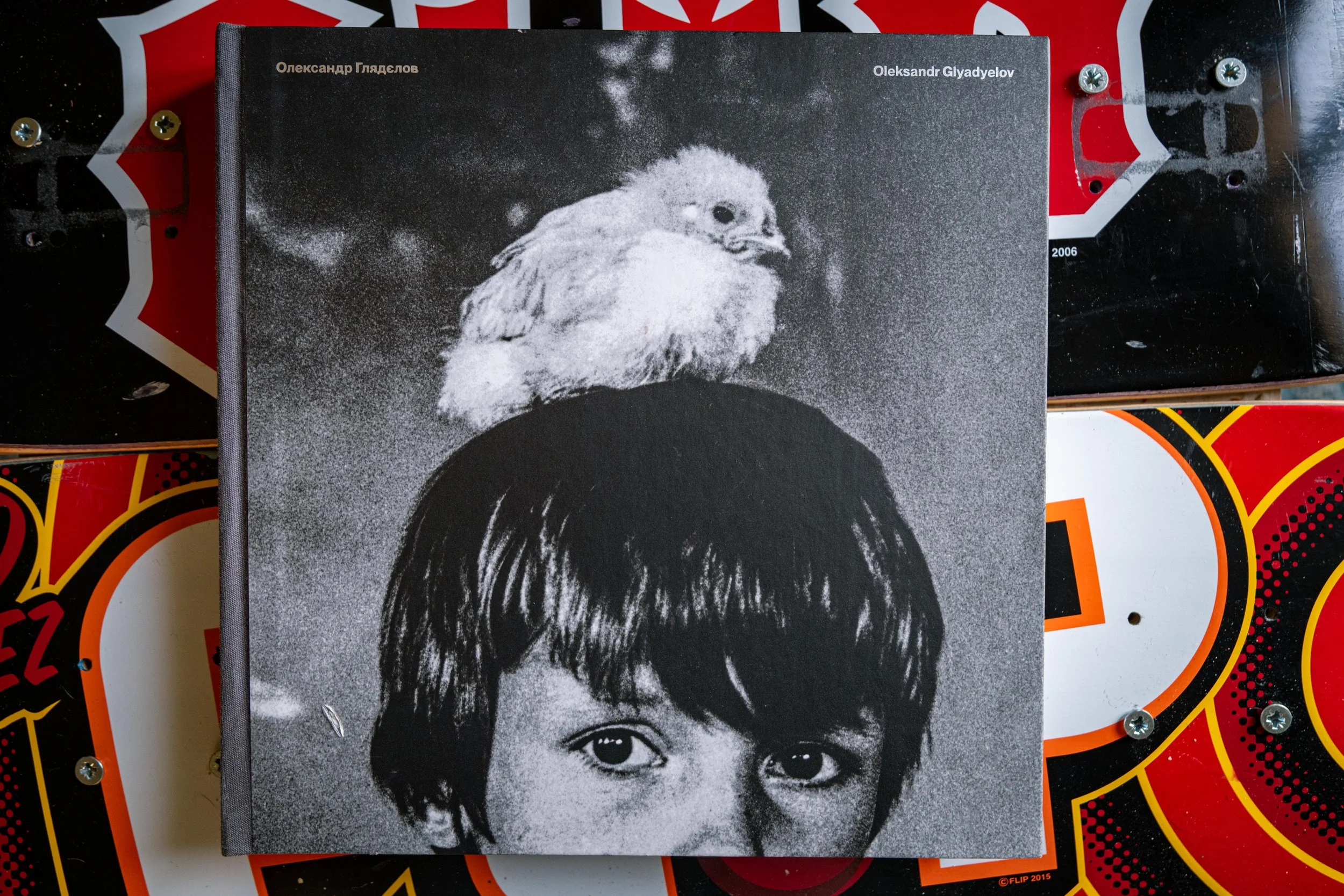
I found this book in my favorite bookstore in Kyiv, on the recommendation of the woman who works there.
Trusting a recommendation, in certain places, is already a political act.
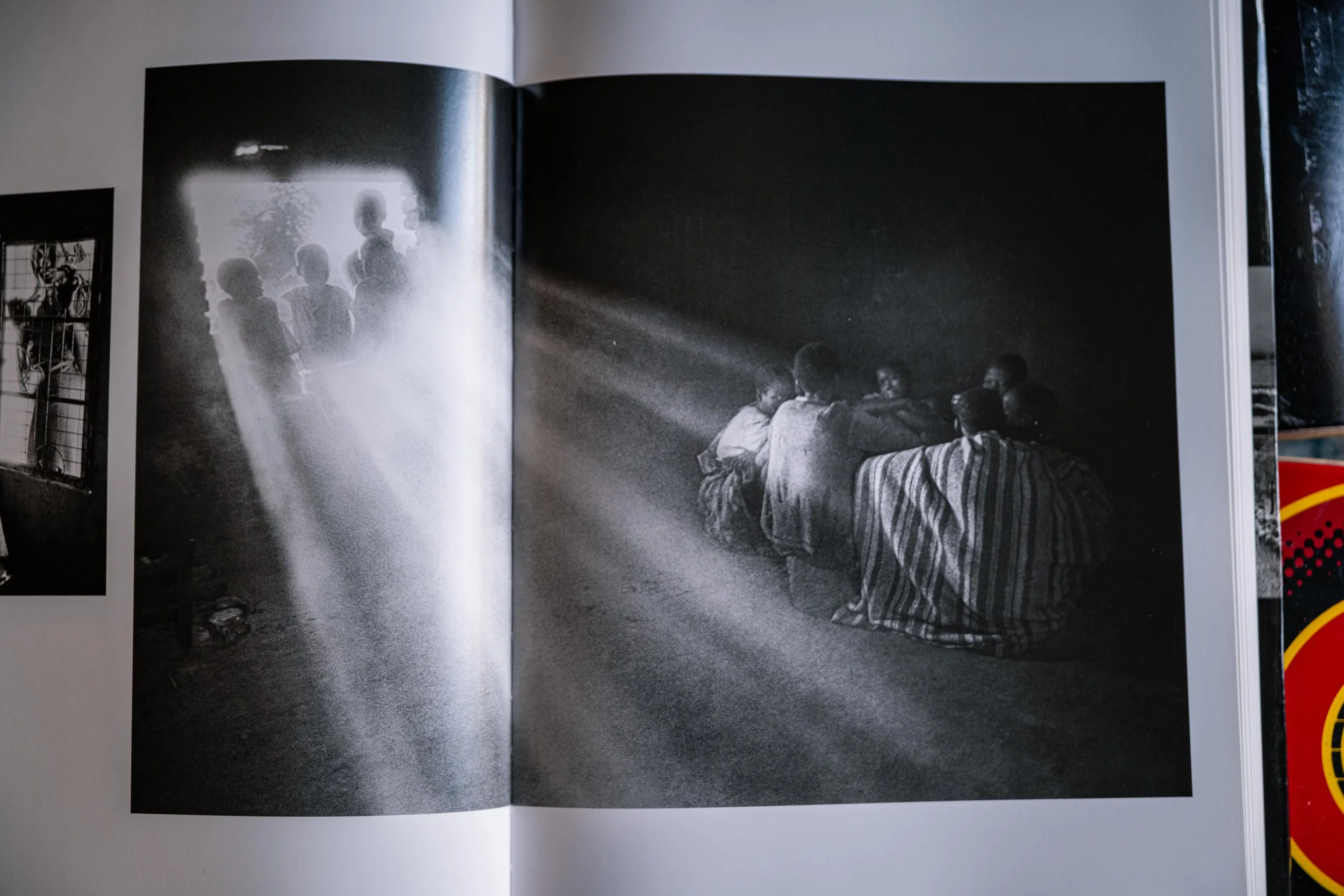
Glyadyelov photographs rural Ukraine, the outskirts, forgotten communities. Domestic interiors, marked faces, everyday gestures. Nothing spectacular. Everything essential.
His photographs steal nothing. They wait.
In these images you can feel the existence of a relationship of trust with the subjects. There is no distance. There is no domination. There is presence.
This book reminded me that the most precious thing you can receive, as a photographer, is not access. It is trust. And that trust must be protected more than the image itself.
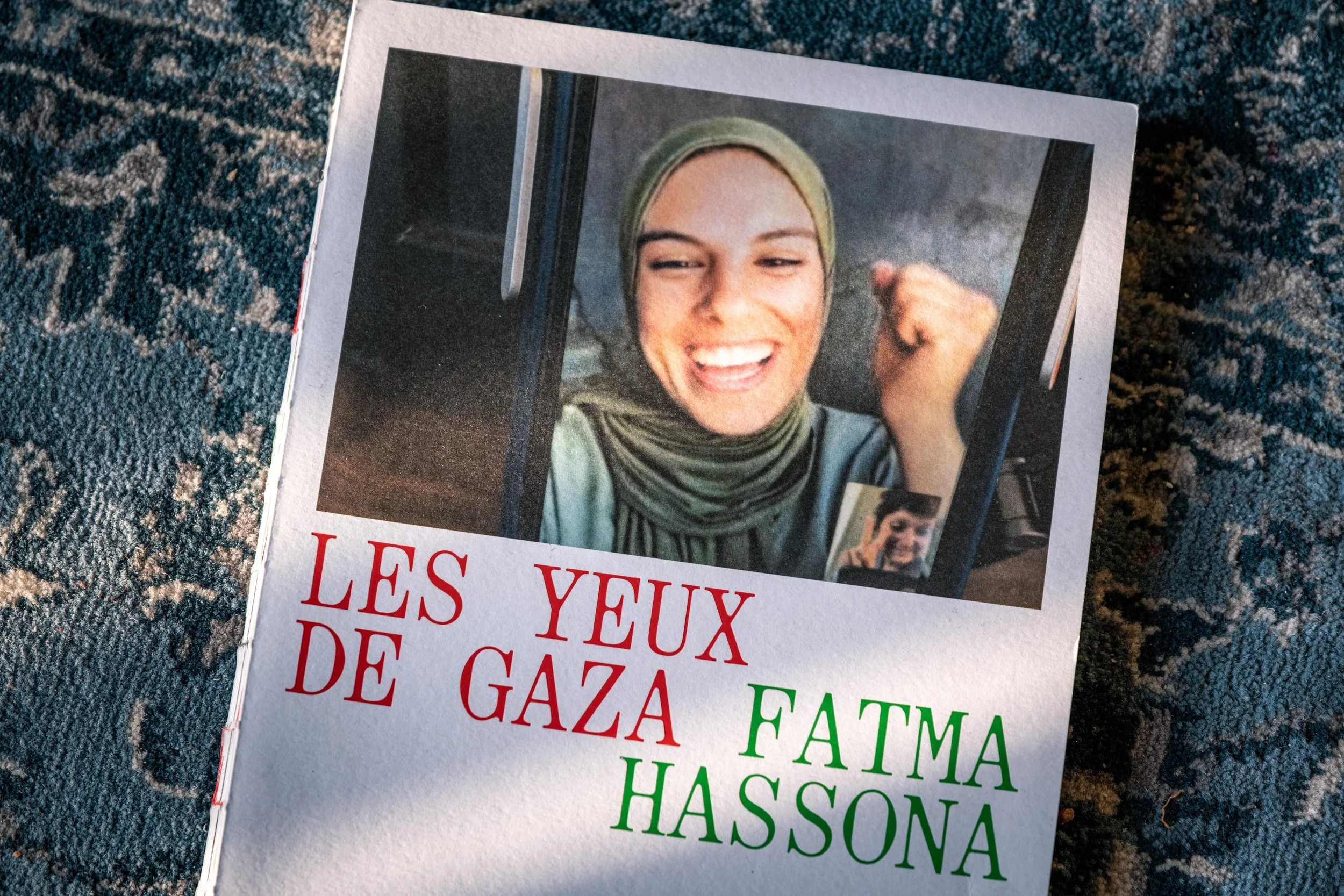
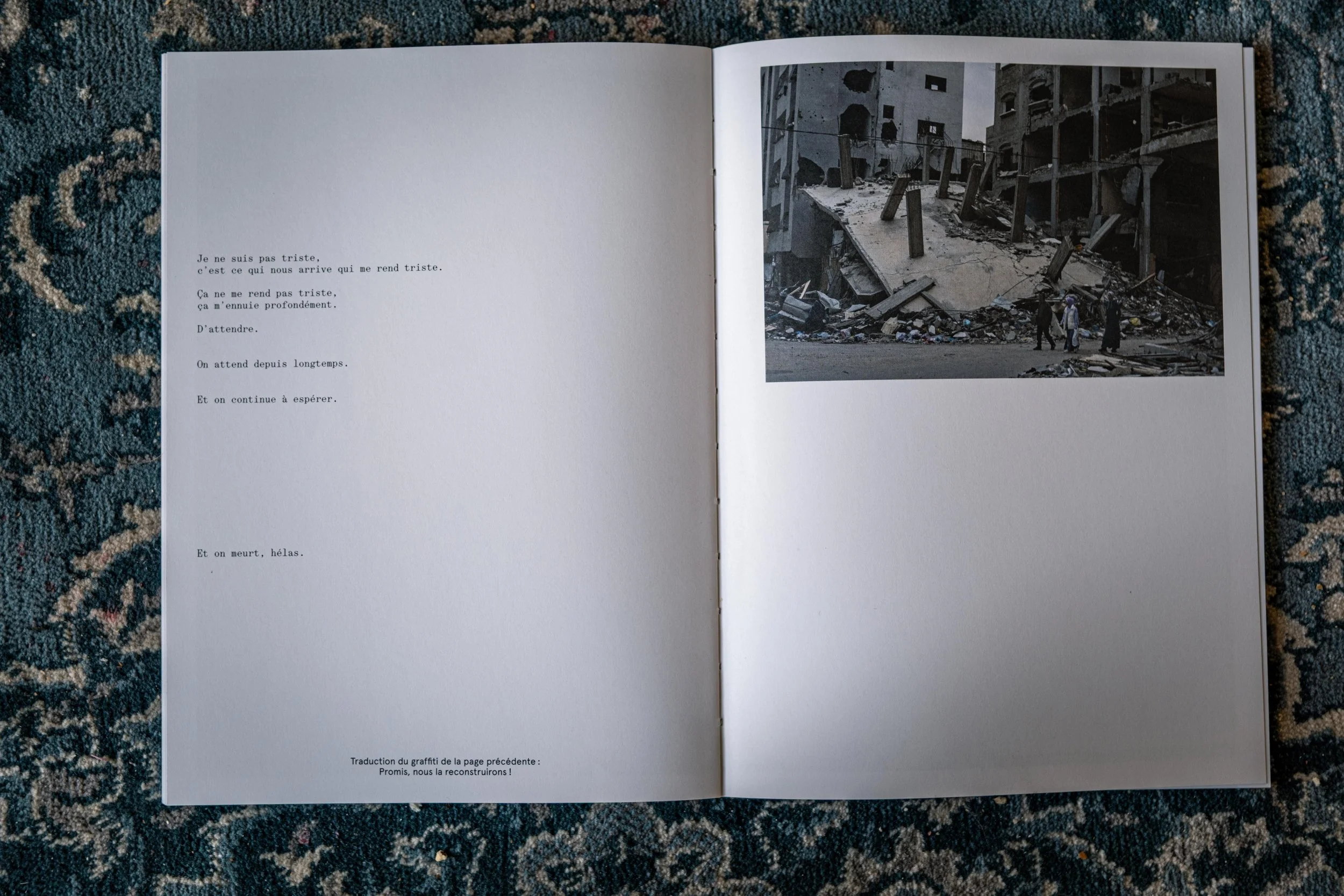
Les Yeux de Gaza – Fatima Hassona
This is not just a book. It is a gaze that resists.
Fatima Hassona was a Palestinian photojournalist. For years she documented Gaza from the inside. Everyday life, not only the rubble. Children playing among shattered buildings. Women cooking. The impossible normality of those who continue to live under siege.
Her work brought her international recognition. A documentary about her life, Put Your Soul on Your Hand and Walk, was selected at the 2025 Cannes Film Festival.
Fatima did not see that premiere. On April 16, 2025, she was killed together with ten members of her family in an Israeli airstrike on their home in Gaza City.
Her images do not ask for pity. They ask to be recognized.
Seeing the Gaza where I have been through her eyes made me see Gaza in a way I had never seen, or photographed, before.
Les Yeux de Gaza taught me a brutal lesson: not all stories need an external narrator. Some only need space.
And sometimes our task is simply not to occupy that place.
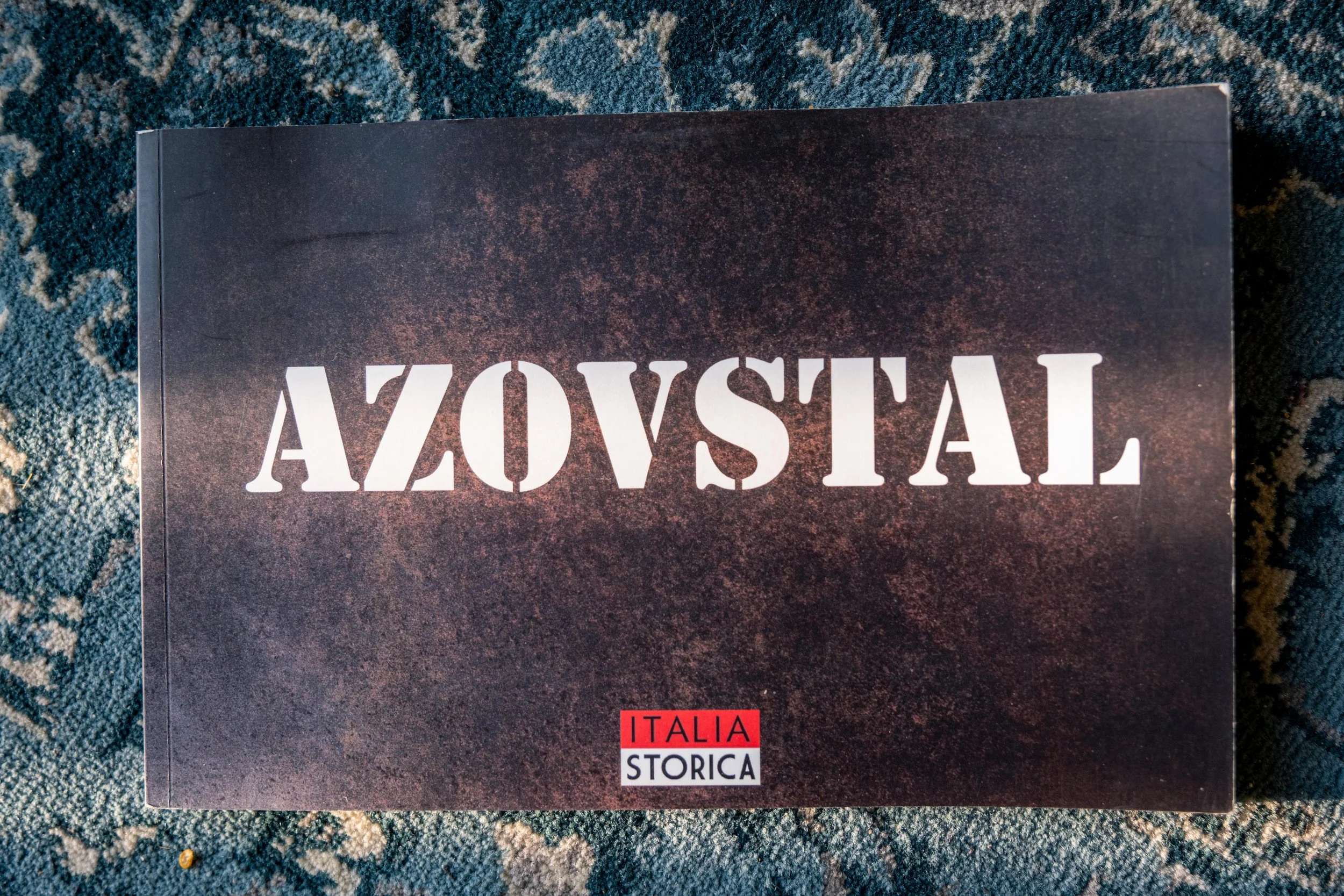
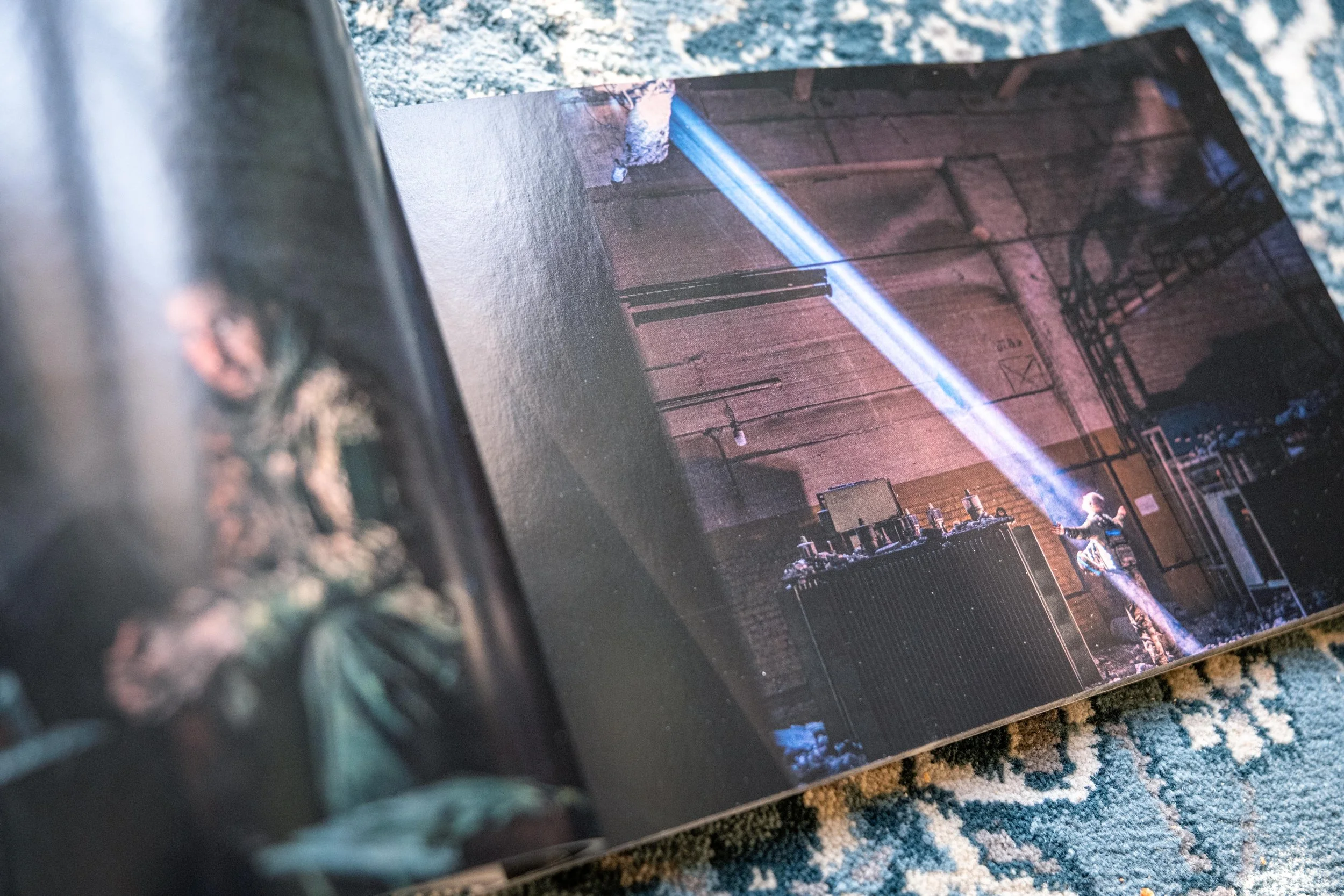
Azovstal – Dmytro “Orest” Kozatsky
This is not just a book. It is a bunker that still breathes.
The images were made inside the Azovstal steel plant during the siege of Mariupol in 2022. Weeks underground. Artificial light. Faces covered in dust and metal. Soldiers exhausted, wounded, waiting.
“Orest” photographed his fellow defenders from within the encirclement. Not as an observer, but as one of them.
The portraits are direct. Steel and skin. Fatigue and dignity. No spectacle. Just proximity.
He did not know if he would survive long enough to see those photographs leave the bunker.
Azovstal taught me something difficult: testimony is not the same as access.
Some images exist because someone inside chose to show them.
And that choice is sacred.
Why These Books
They taught me how not to become worse.
They taught me when to take a photograph. But above all, when to lower the camera.
There are days when I ask myself what I am doing. Why I keep photographing people. Whether it makes sense. Whether it is useful. Whether it is just a way to feel useful without truly being so.
Then I return to these books.
I do not open them to find inspiration. I am not looking for compositions to copy or light to imitate. I open them to remind myself that this work, if you want to call it that, is not about me. Not about my gaze, my sensitivity, my talent. It is about the people who agree to be seen. And the enormous responsibility that comes with that.
Nachtwey taught me that being present is not enough.
Salgado taught me that dignity can only be photographed if you recognize it first.
Lefèvre taught me that the photographer is as fragile as the person being photographed.
Glyadyelov taught me that trust is built in silence.
Fatima taught me that some stories are not mine to tell.
And Fatima is no longer here.
This is the point. These books are not collectible objects. They are not decoration. They are people. They are lives. Some still here, others not. And when I open one of them, I am not turning pages. I am entering a pact.
The pact is simple: I look, and in return I commit not to betray what I see.
I do not always succeed. Sometimes I photograph when I should stay still. Sometimes I speak when I should listen. Sometimes I think about the image before thinking about the person. And every time it happens, I feel a little farther from who I want to be.
But these books bring me back. They realign me. They remind me that photography, before being a profession, is a relationship. And every relationship carries responsibility.
They are not on my bookshelf to inspire me.
They are there to remind me who I must be when I walk out the door with a camera.
And who I must remain when I lower it.