When Things Align
Juxtaposition
noun The placement of two or more elements that, set within the same space, generate new meaning. In photography, juxtaposition occurs when subject and context enter into dialogue, creating tension, contrast, or resonance, often without the subject being aware.
Juxtaposition isn't something you construct at a desk. It's something that happens when you stop demanding images and start walking. When you move through places that have nothing to prove and look at them as if they might, at any moment, give you something back.
Walking, for me, isn't a way to get somewhere. It already is the work.
I don't go out with an idea. I don't have a list of places. I have only a vague direction, sometimes not even that.
There's a precise moment when it happens. I couldn't describe it, but I recognize it. It's when I stop moving through a place and start moving within it. The rhythm changes. My steps slow down. My gaze widens, then focuses, then widens again. It's a breath.
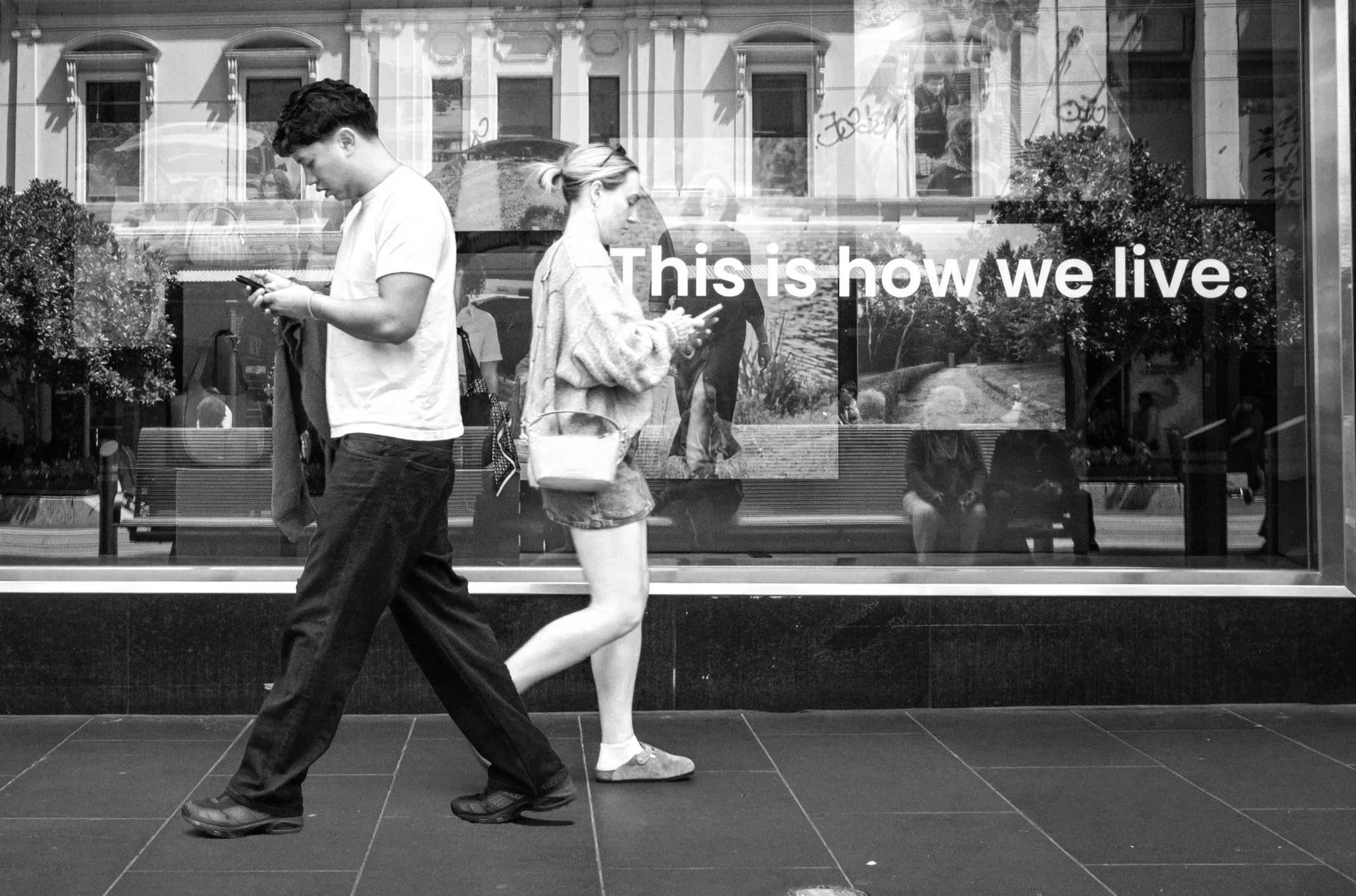
Melbourne, 2025
I don't look for special places. I look for ordinary places, watched long enough to stop being ordinary.
Random streets. Peeling walls. Spaces of transit. Places that don't end up in guidebooks and that nobody photographs because "there's nothing there."
That's where I feel free. Because when a place promises nothing, the only possibility is to truly look.
And truly looking means looking at what you normally ignore. The things your brain has decided to classify as background, as noise, as irrelevant. A faded sign. A damp stain that has taken on a shape. A piece of writing half-covered by another piece of writing. The way light falls on a corner that no one designed to be beautiful.
I've realized the city is full of layers. Every wall is a palimpsest: posters, graffiti resurfacing, marks that no one made with aesthetic intention but that, looked at carefully, become compositions. They've always been there. We walk past them every day. But seeing them requires a kind of attention we don't usually grant.
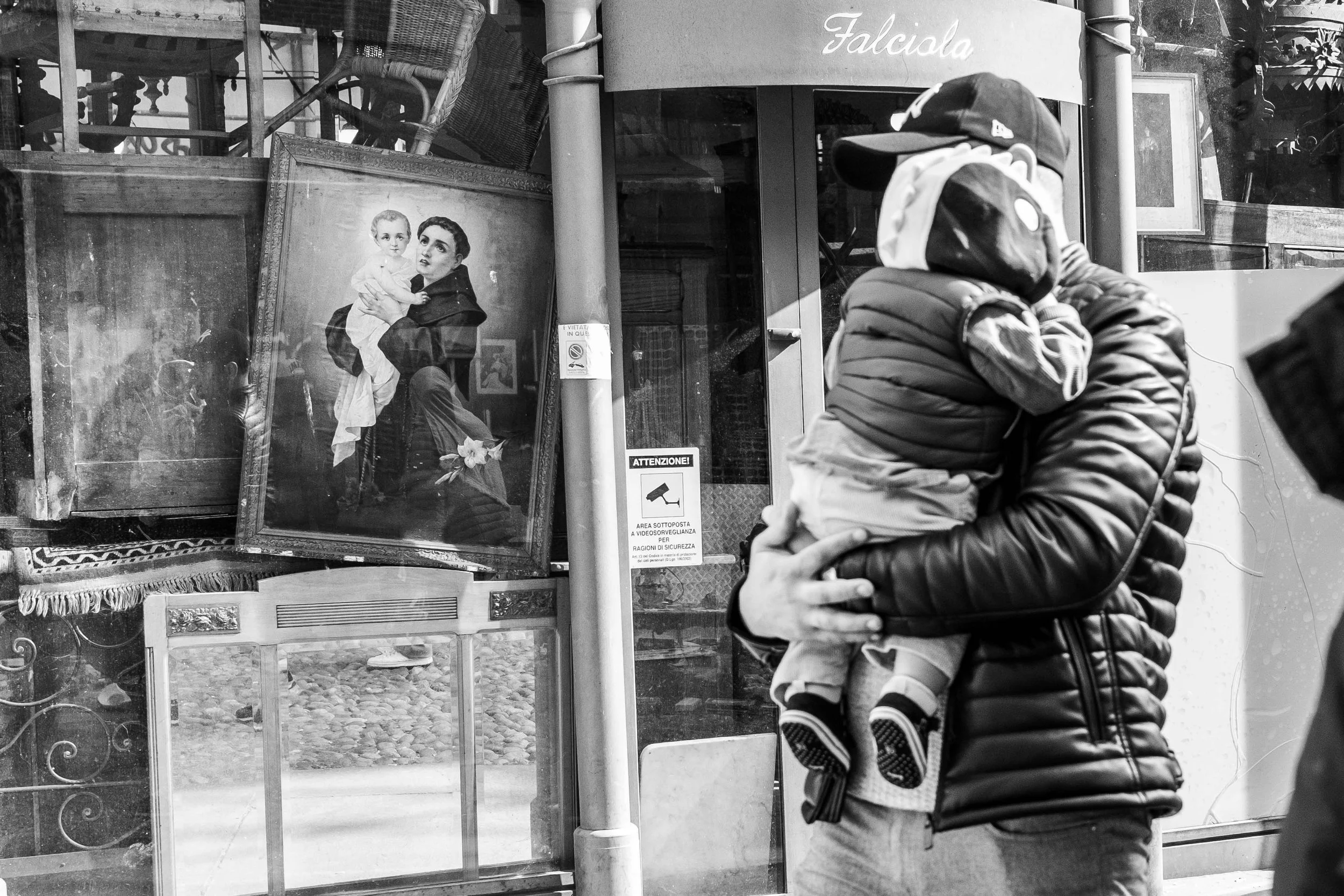
Turin, 2020
I've learned to stop in front of things I don't immediately understand.
There's a temptation, when you walk with a camera, to look for the ready-made image. Something you immediately recognize as "photographable." But those images are often the least interesting, precisely because you recognize them. They've already been seen, already been done. The brain catalogs them quickly: yes, this works. And you move on.
Instead, I've started paying attention to things that make me slow down without knowing why. A detail I don't yet know if I care about. A corner I don't yet know how to read. I stop. I wait. Sometimes nothing happens and I leave. But sometimes, by staying, I understand what had stopped me. And often it's something I would never have consciously looked for.
It's a strange exercise, almost counterintuitive: trusting your own attention before you understand it.
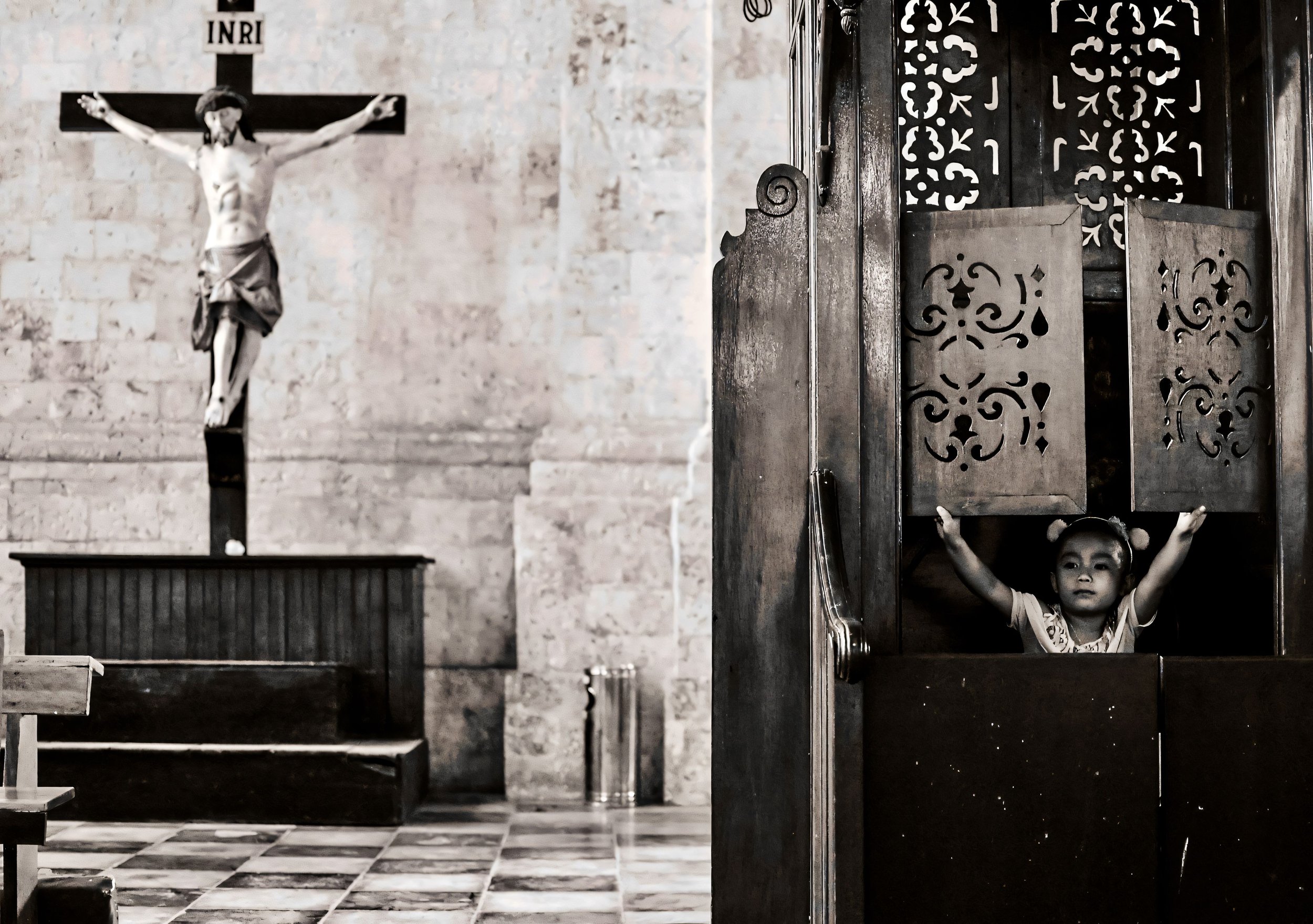
Barcelona, 2019
And sometimes, by looking, it happens.
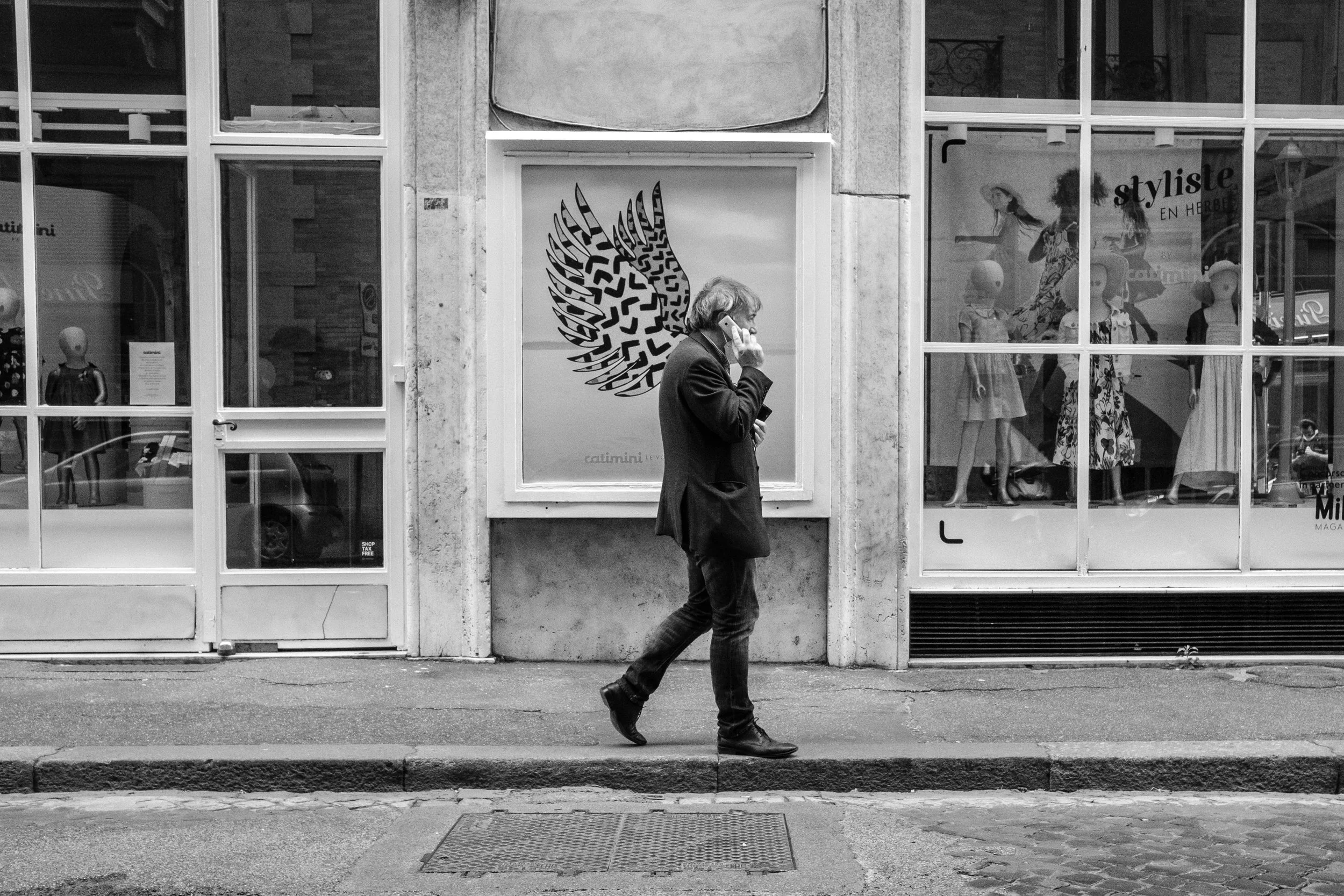
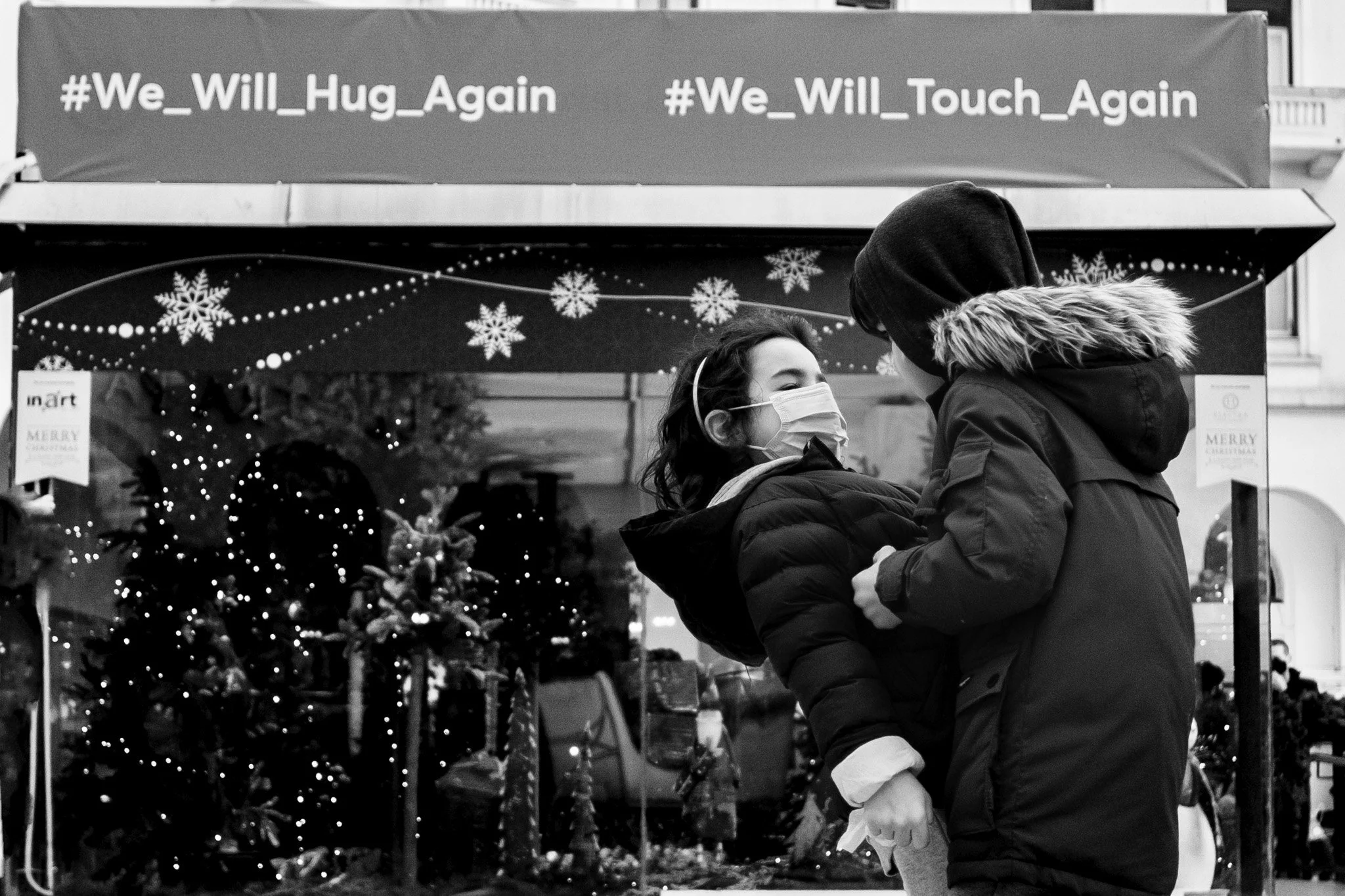
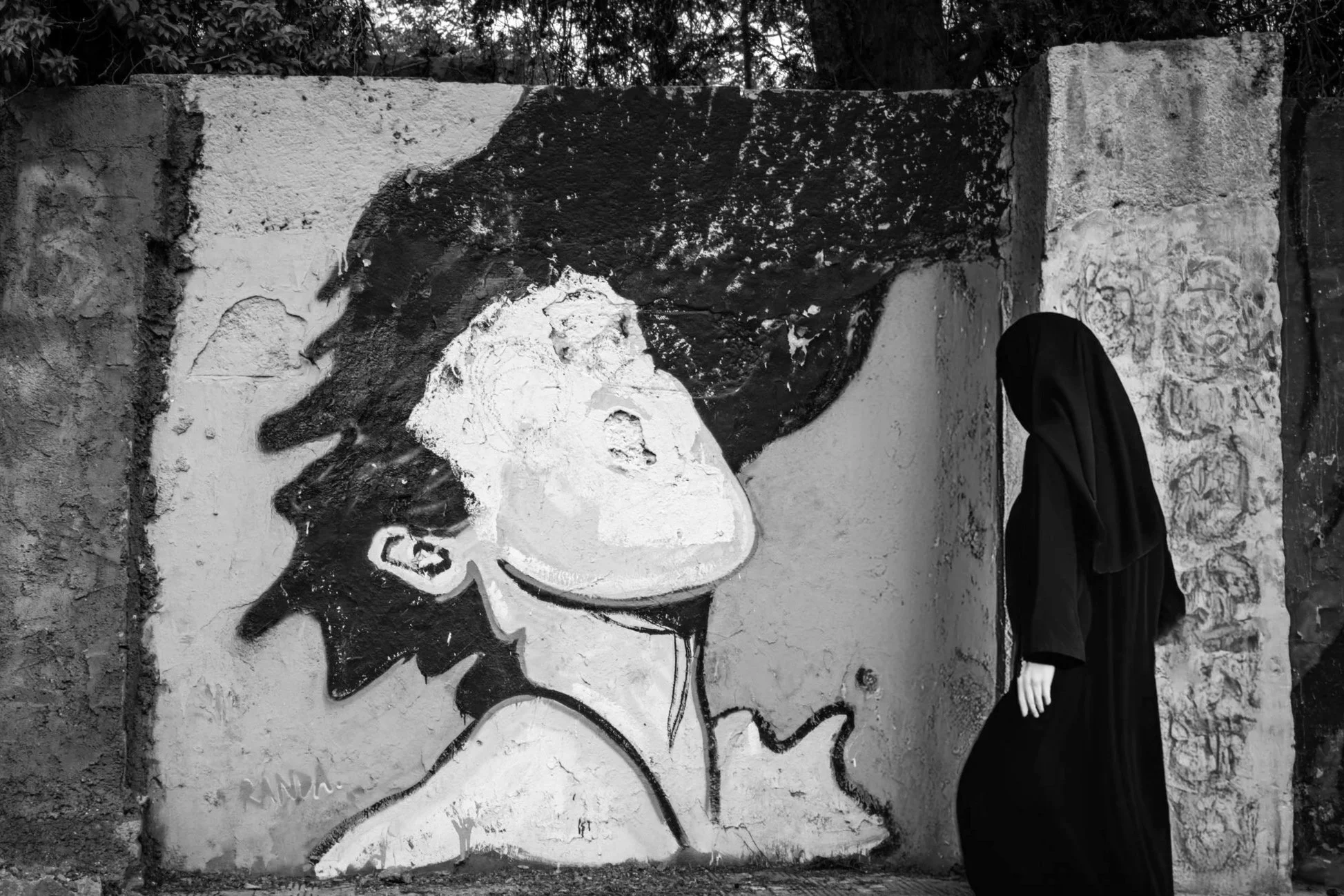
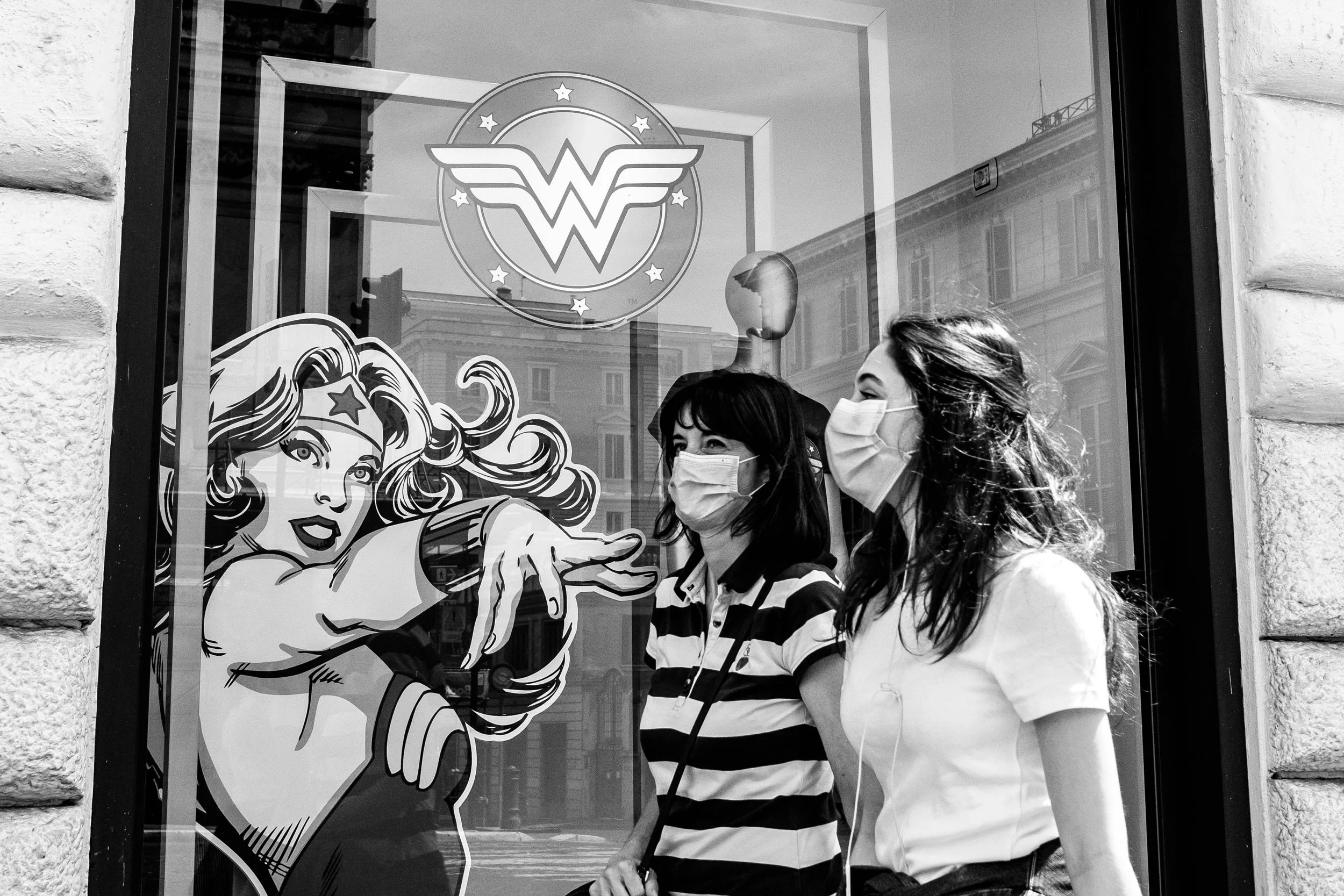
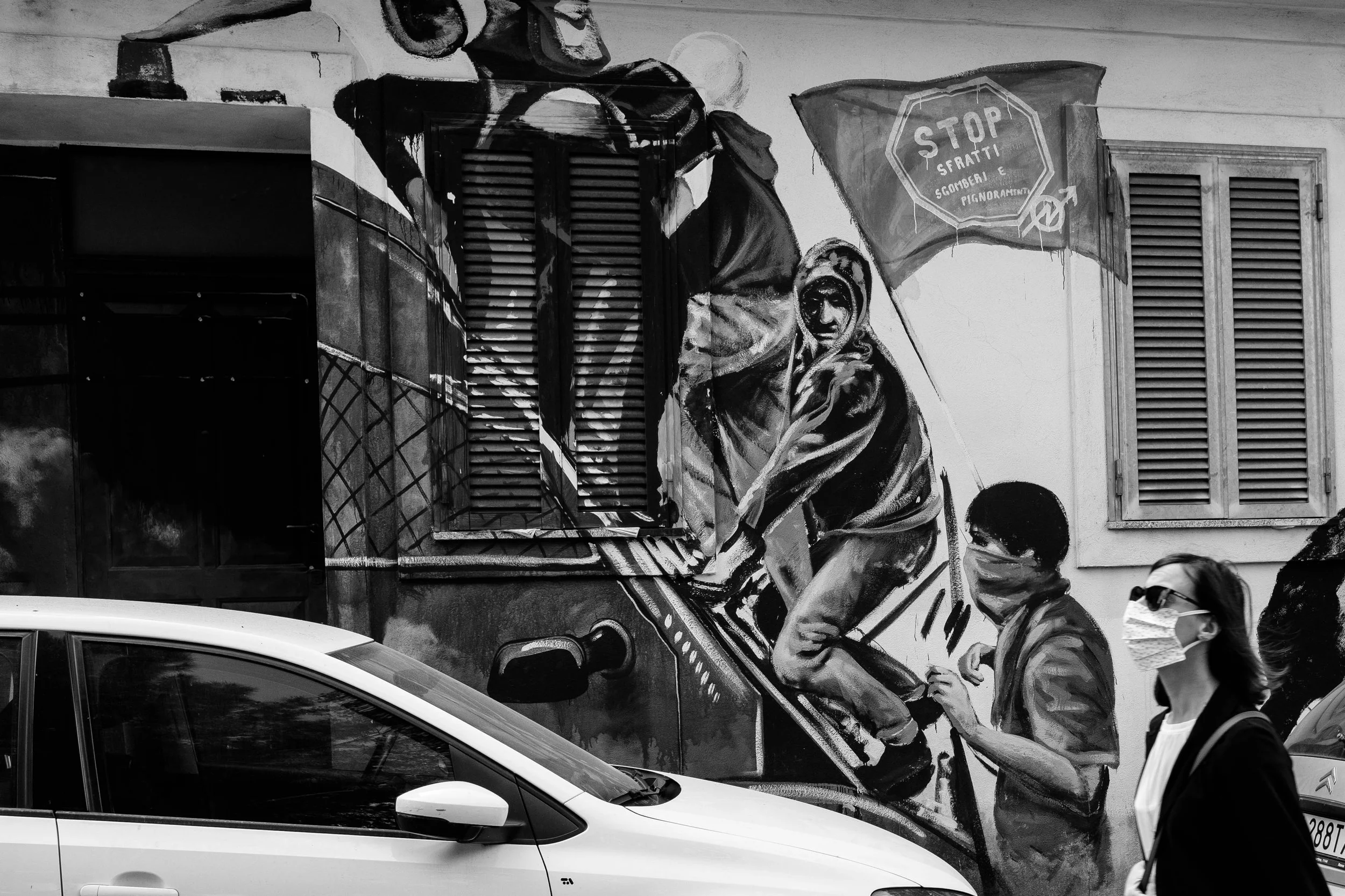
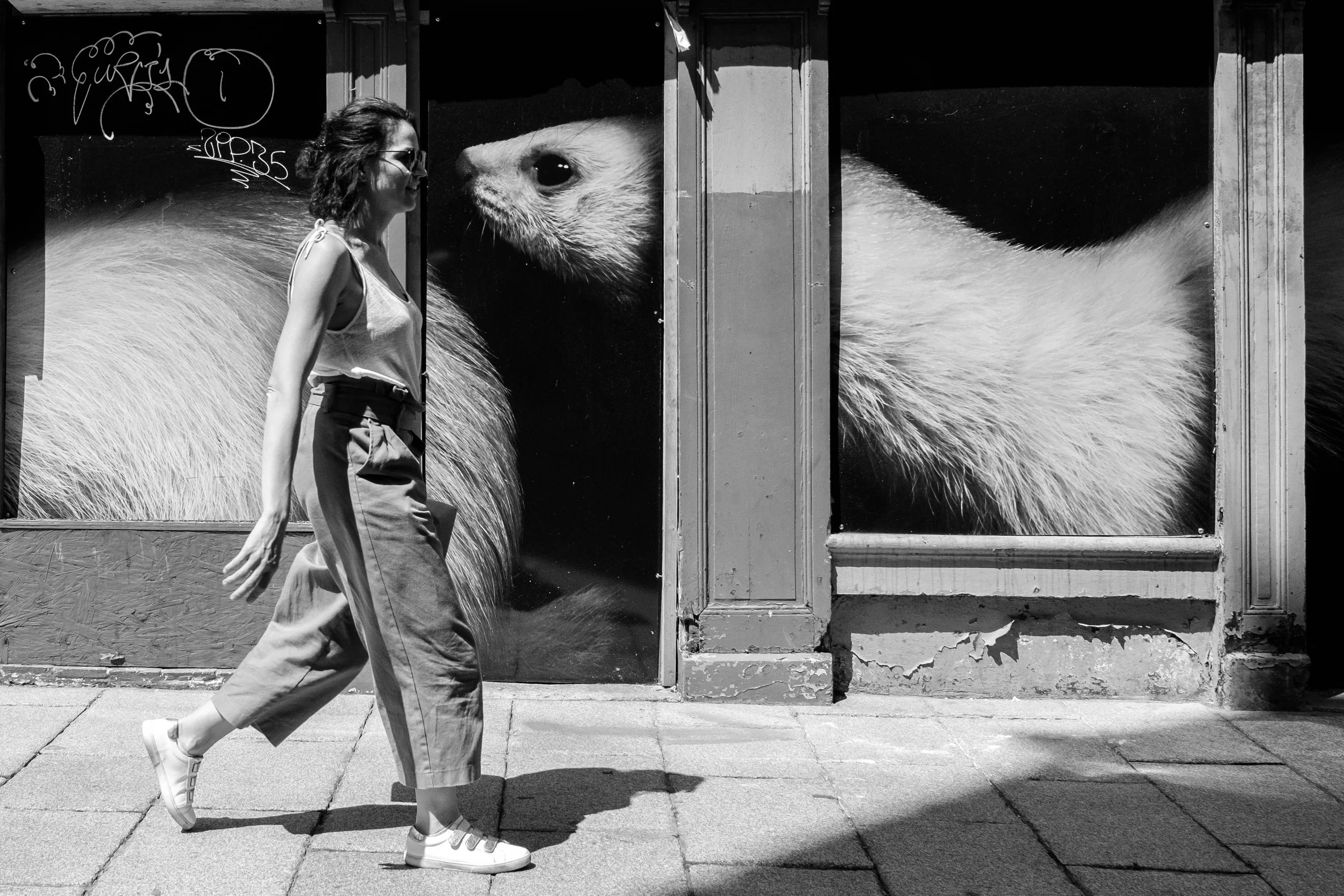
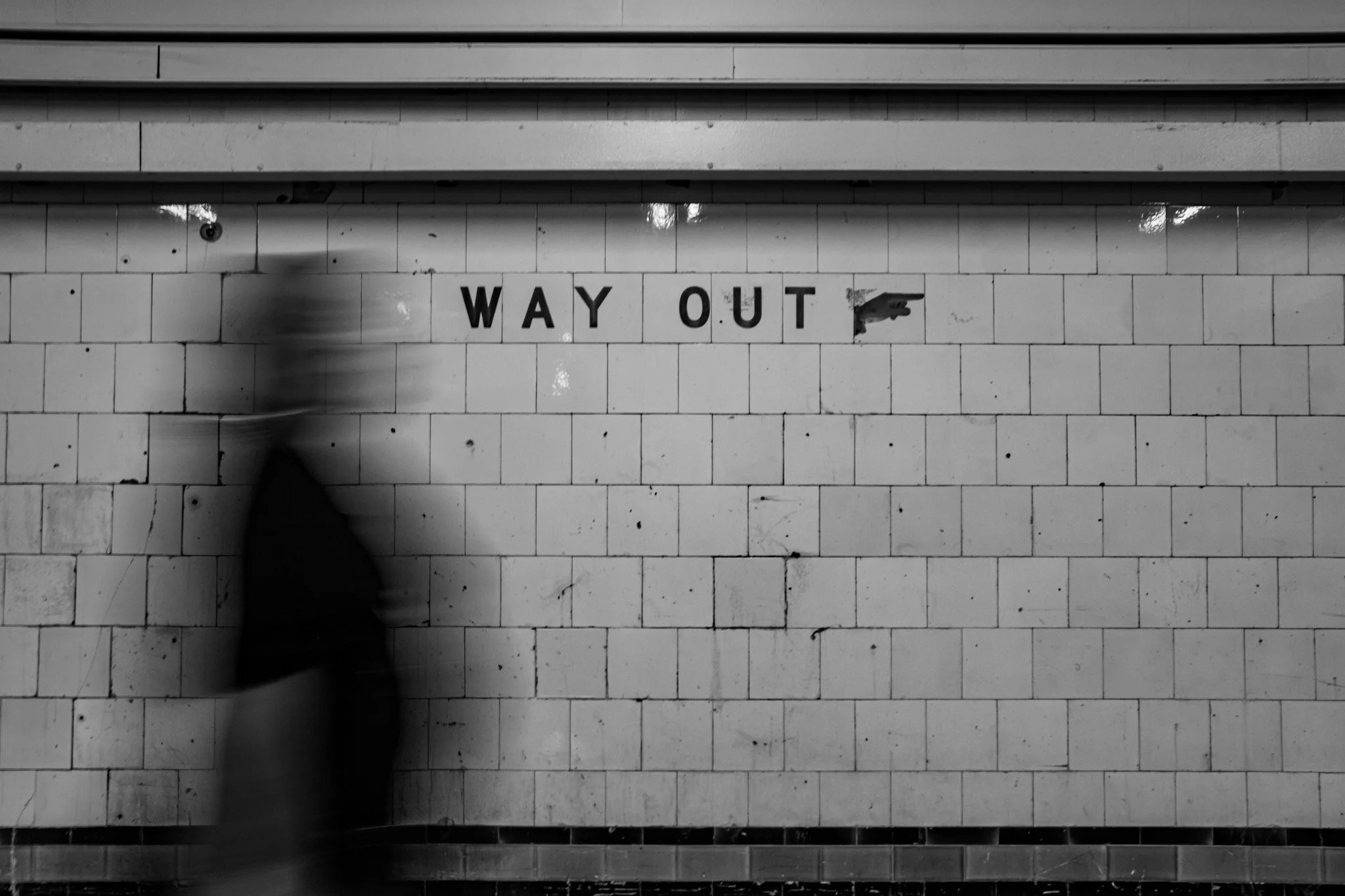
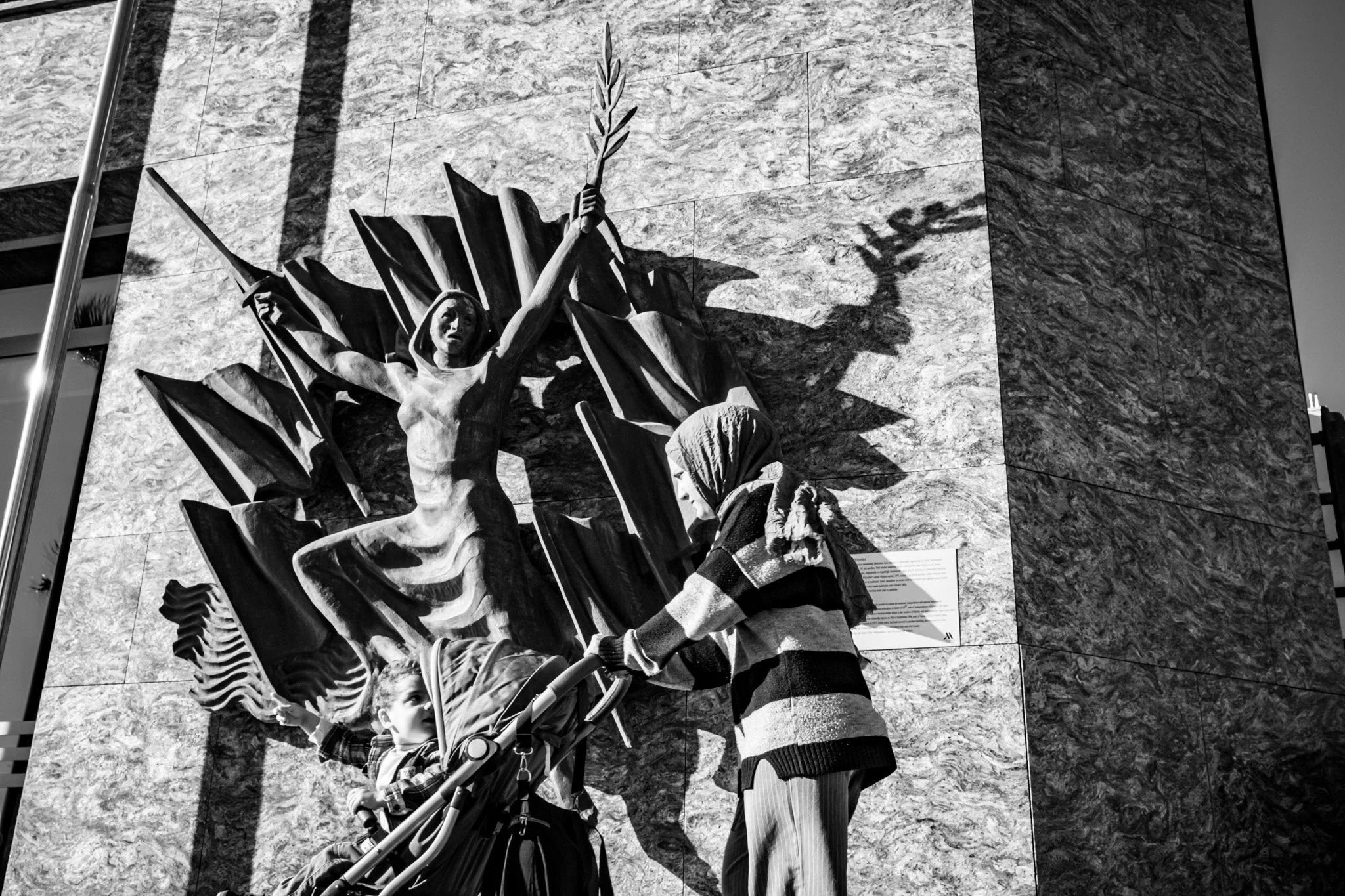
A person passes by. They're living their day, their mind elsewhere. Behind them is something they didn't choose: a piece of writing, an image, a symbol, a trace of memory. For an instant the two align. Without wanting to. Without knowing. And a juxtaposition is born.
In that moment you feel the world has made room for you. That you are exactly where you were supposed to be. You don't feel lucky, you don't feel skilled. You feel present.
Being in the right place at the right time is a phrase used too easily. For me it mostly means being in the right place with the right gaze. A gaze trained not to seek the exceptional, but to recognize when the ordinary stops being silent.
The subject doesn't know they're interacting with the background. And I don't intervene. I don't ask them to do it again. I don't correct. I don't add. I simply recognize that, for an instant, everything is in balance. The photograph is born there. Not as a brilliant idea, but as an acknowledgment.
This is why I keep walking. This is why I love to go to places that seem empty.
Because if you look at them carefully, stories are everywhere. They're not rare, they're not hidden, they're not waiting to be discovered. They're simply distracted, like the people who walk through them every day.
And maybe that's the point: it's not about finding extraordinary things. It's about stopping to ignore the ordinary ones.